The chemical composition of strontium isotopes stays put during cremation. This might sound like a small technical detail, but it’s actually a game changer. In 2014, Professor Karin Frei from the National Museum of Denmark developed a new method for analyzing these isotopes. Suddenly, scientists could make ashes speak.
These ashes, often buried in urns, contain secrets of human history that have been kept silent for thousands of years. Traditional markers, such as DNA, cannot withstand fire. Nor are they the usual indicators that archaeologists use to reconstruct prehistoric human life. Heat destroys them. However, strontium stays put.
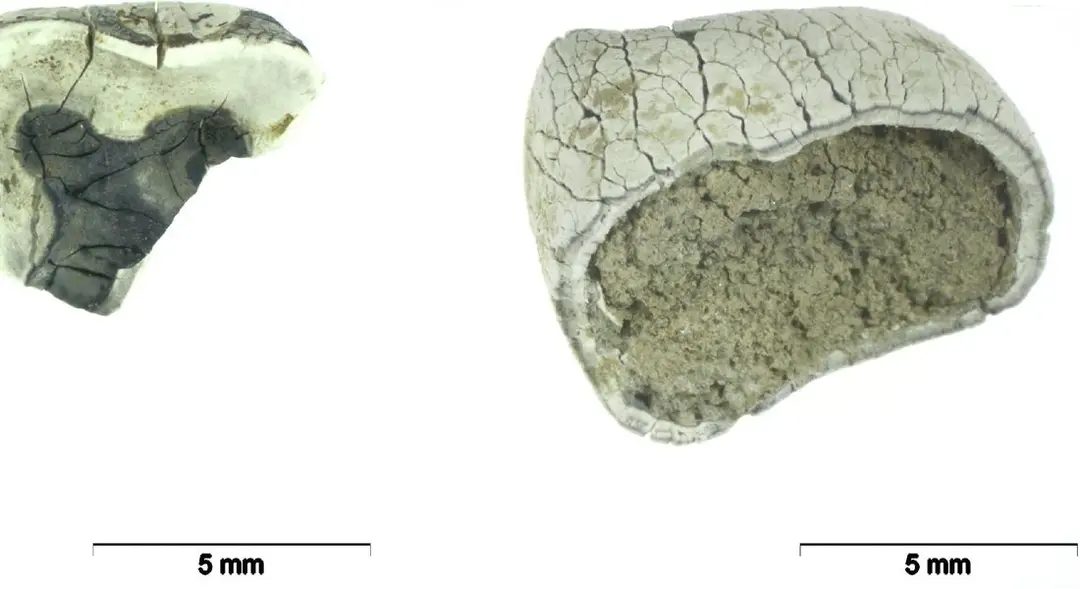
Archaeologists were the first to use this method. They needed to determine the origin of the specimens found in a particular place. They examined dental enamel that had been cremated and collected from a funeral site in Vollmarshausen, Germany. There are thousands of urns from the late Bronze Age and early Iron Age.
“We were able to extend the applicability of this widely used method in geology to answer archaeological questions,” said Robert Frei, co-author of the study published in the Journal of Archaeological Science: Reports.
The remains analyzed revealed that the people came from the area surrounding the cemetery. They were locals. This confirms that the new technique can identify the regional origin even after high temperature treatment.
“The new method offers the opportunity to study large numbers of intact graves,” said co-author Nicole Taylor. She hopes that this method will help fill a massive gap in our understanding of the past. A gap spanning hundreds of years.
Why is this important? Because most of the ancient graves are disturbed or looted. It is extremely rare to find a intact burial site for cremated remains. So far, there is no reliable way to track where these people lived before they died. Strontium in tooth enamel is like a geographic fingerprint. It reflects the water and soil where people grew up. Since tooth enamel is formed in childhood and does not regenerate, this signal remains permanently even after cremation.
This opens up new opportunities to study the migration patterns, social structure and identity of ancient communities. Instead of making assumptions about pottery styles or grave goods, archaeologists can now study the chemical composition of the bones themselves.
The Vollmarshausen case was just the beginning. Many other sites remain untouched. Each can produce similar data. We may finally be starting to connect the dots between the different groups of Bronze Age and Iron Age Europe.
However, this method has its limitations. It tells you where someone spent their childhood. It doesn’t track their entire life. Did they move later? Did they travel? Strontium alone cannot answer this question. Other tools are needed to the full picture. Still, getting a baseline is powerful.
“The new method offers the opportunity to study large numbers of intact graves”
Nicole Taylor is understandably excited. For decades, archaeologists have been limited by the materials that survived the fires. DNA degrades. Organic markers vanish. Inorganic minerals such as strontium endure. This shifts the focus from what is missing to what is left.
This study shows that geological techniques can adapt to human history. It connects two fields that don’t always communicate with each other. Geologists track rocks and water. Archaeologists dig up bones

The source text does not contain scientific or technical content. Just give the ad invitations. Follow Futura Tech News Media on WhatsApp and Google News to stay up to date with upcoming articles.
Therefore, facts, observations and technical details may not be rewritten or analyzed for public use.