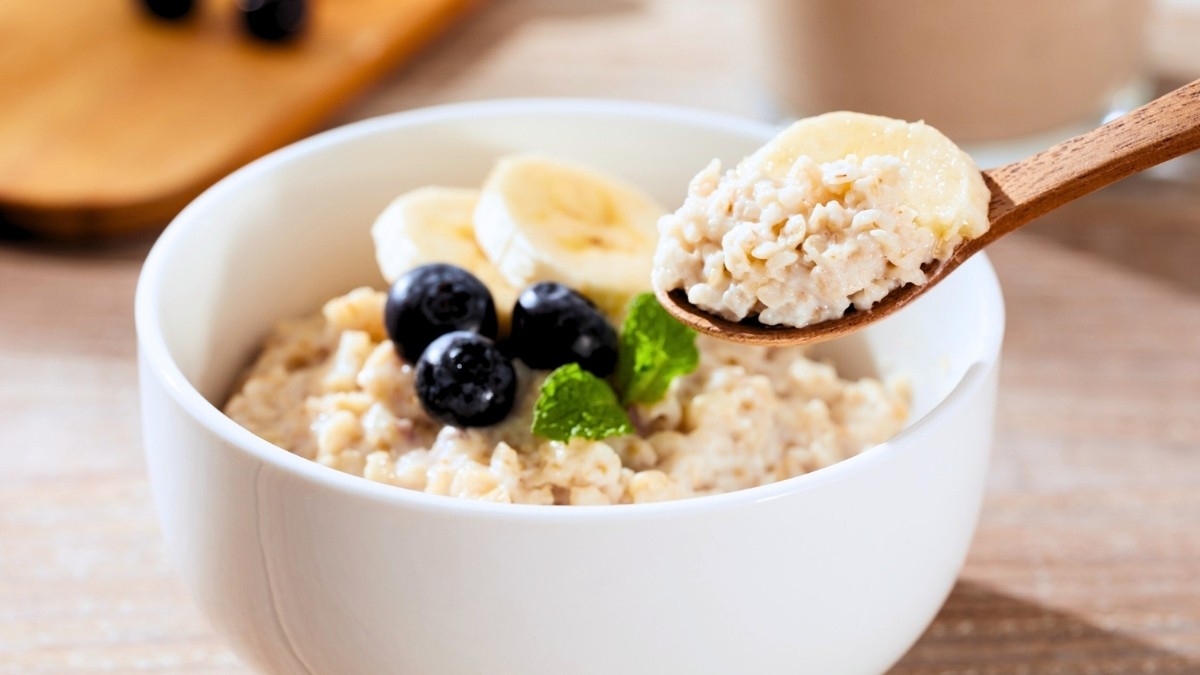
A new study published in Nature Communications reveals that consuming almost nothing but oatmeal for just 48 hours can significantly reduce “bad” cholesterol levels – and the effect may last for weeks after returning to a normal diet. Researchers at the University of Bonn in Germany found that a short-term, calorie-restricted oat-based diet cut low-density lipoprotein (LDL) cholesterol by up to 10% in participants with metabolic syndrome.
The Unexpected Persistence of Results
What makes this study particularly notable isn’t just the initial cholesterol drop, but its longevity. Six weeks after the 48-hour diet ended, participants still showed lower LDL levels compared to their baseline measurements. This suggests a deeper biological change is at play, rather than a temporary dietary effect.
The study involved 32 participants (15 men, 17 women) with metabolic syndrome – a condition characterized by excess weight, high blood pressure, and elevated blood sugar. Seventeen were put on a strict 48-hour regimen of 300 grams of rolled oats boiled in water, supplemented only with small amounts of fruit and vegetables. The remaining 15 served as a control group, consuming a similar calorie-restricted but oat-free diet.
Gut Bacteria as the Key Mechanism
Researchers linked the cholesterol reduction to changes in gut bacteria. The breakdown of oats in the gut produces compounds like ferulic acid, which have previously been shown in animal studies to improve cholesterol metabolism. By analyzing fecal samples, the team confirmed an increase in these beneficial bacteria during the oat diet.
“We were able to identify that the consumption of oatmeal increased the number of certain bacteria in the gut,” explains lead author Linda Klümpen. “For instance, we were able to show that intestinal bacteria produce phenolic compounds by breaking down the oats…which appears to have a positive effect on the cholesterol metabolism.”
A follow-up trial involving 34 participants (17 oat-eaters and 17 controls) showed that consuming 80 grams of oats daily for six weeks also offered some benefits, but didn’t produce the same dramatic, rapid cholesterol drop as the 48-hour diet.
Implications and Future Research
While the study received funding from the German Cereal Processing Industries Association, researchers assert no influence on study design or analysis. The findings suggest that intermittent, intensive oat-based diets could be a tolerable method for maintaining healthy cholesterol levels and potentially preventing diabetes.
However, it’s crucial to note that these results were observed in individuals with metabolic syndrome. Larger studies are needed to determine if the same effects would be seen in the general population. The team plans further research to explore whether repeating such a diet every six weeks could provide lasting preventative benefits.
This study adds to a growing body of research highlighting the profound connection between gut health and overall metabolic function. The rapid, sustained cholesterol reduction observed here underscores the potential for dietary interventions to leverage the gut microbiome for therapeutic effects.