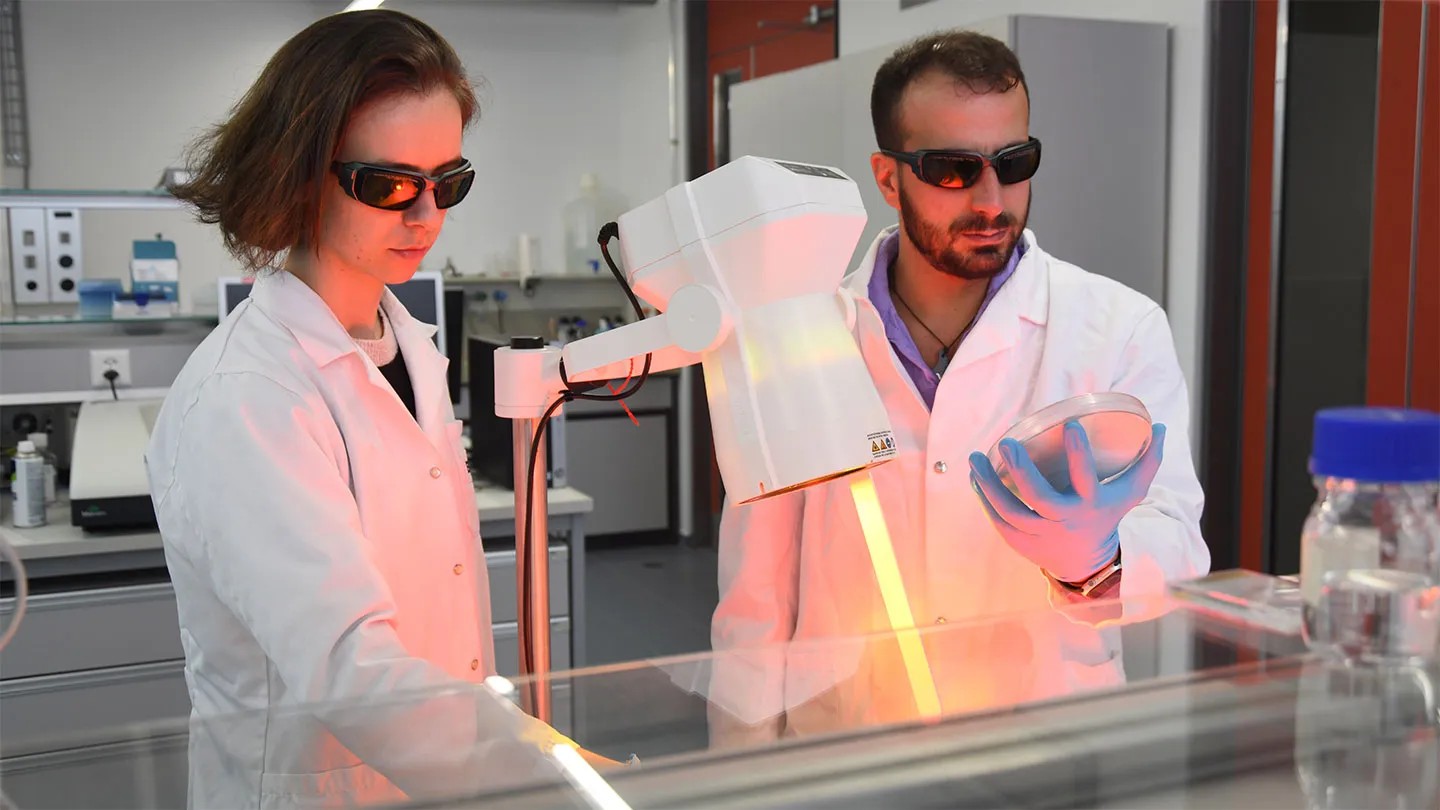
Recent breakthroughs in materials science have yielded a highly effective antimicrobial coating using activated graphene. This technology demonstrates the potential to kill drug-resistant germs and reduce the spread of infection across various surfaces and medical applications.
The Science Behind the Coating
Graphene, a single-atom-thick layer of carbon, possesses exceptional strength and conductivity. When “activated” – meaning its surface is chemically modified – it becomes a potent germicidal agent. This activation process enhances graphene’s ability to disrupt microbial cell walls and metabolic processes, rendering even stubborn bacteria, fungi, and viruses vulnerable.
The key lies in the material’s interaction with microbes at the molecular level. Graphene’s structure facilitates the creation of reactive oxygen species (ROS), essentially microscopic “oxidative bursts” that destroy germ cells. This process bypasses many of the resistance mechanisms that microbes have evolved against traditional antibiotics.
Why This Matters: The Rise of Antimicrobial Resistance
Antibiotic resistance is a growing global health crisis. Overuse of antibiotics in medicine and agriculture has driven the evolution of “superbugs” – microbes immune to multiple drugs. This means infections that were once easily treatable are now becoming deadly.
The activated graphene coating offers a non-traditional solution. Unlike antibiotics, it doesn’t rely on specific biochemical pathways that microbes can adapt to. The physical disruption caused by graphene’s structure and ROS generation presents a broader-spectrum kill mechanism, making it harder for germs to evolve resistance.
Applications & Future Potential
The technology has potential in several areas:
- Medical Implants: Coating implants (hips, knees, teeth) with activated graphene can prevent post-surgical infections.
- Surface Disinfection: Integrating the coating into hospital surfaces, public transport, and even everyday objects could significantly reduce germ transmission.
- Water Purification: Activated graphene filters could eliminate microbes from drinking water sources.
Engineers and materials scientists are actively researching ways to scale up production and ensure long-term stability of the coating. Some concerns remain regarding potential toxicity and environmental impact, but preliminary studies suggest minimal risks when properly contained.
The Bottom Line
Activated graphene represents a significant step forward in antimicrobial technology. By bypassing conventional drug-resistance mechanisms, it offers a powerful new tool in the fight against infectious diseases and a potential solution for a growing global health threat.