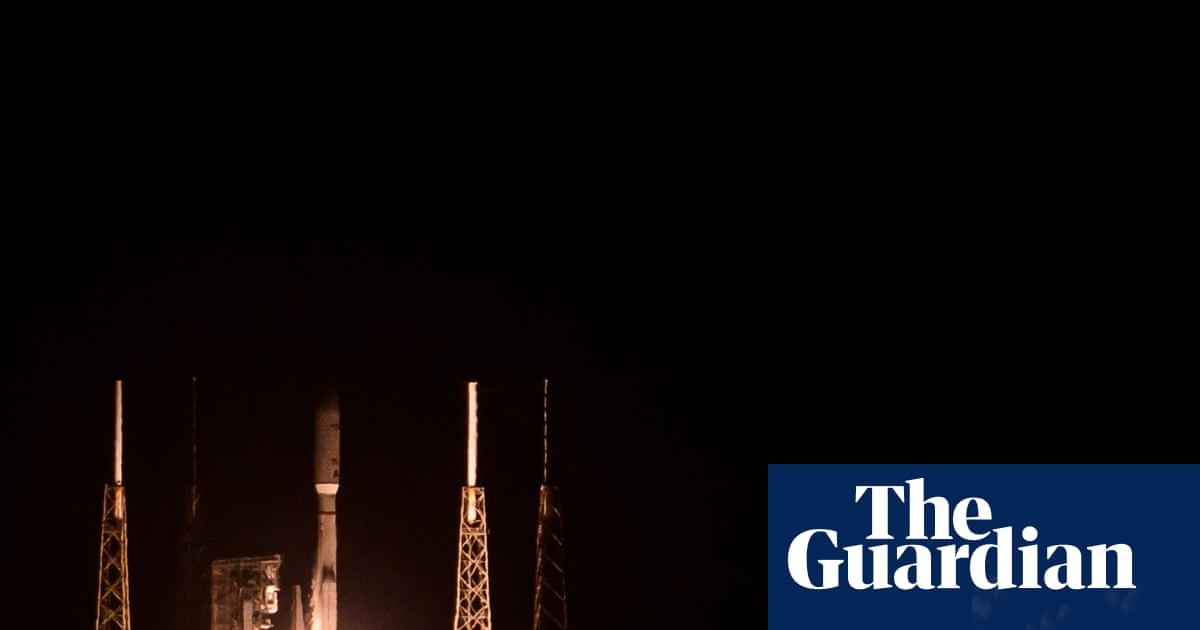
Amazon has officially provided a timeline for its entry into the satellite internet market, announcing that its Leo service is expected to go live in mid-2026.
In a recent letter to shareholders, CEO Andy Jassy revealed that the company is on the verge of launching the service and has already secured revenue commitments from various government and enterprise clients. Originally known as Project Kuiper, the initiative was rebranded to Leo last year as it moves closer to full-scale commercial operation.
Scaling Up: The Race for Orbital Dominance
While Amazon is making significant strides, it faces a steep climb to catch up with the current market leader. The scale of the competition is vast:
- Amazon Leo: Currently operates 200 satellites in low Earth orbit (LEO), with plans to launch “a few thousand more” in the coming years.
- SpaceX Starlink: Already maintains nearly 10,000 satellites in orbit, with ambitious plans to expand that fleet to 42,000.
This disparity highlights a critical challenge for Amazon: speed. While Starlink has already established a global footprint, Amazon is attempting to build a massive infrastructure from the ground up while simultaneously trying to secure its supply chain.
The AWS Advantage: Connectivity Meets Cloud Computing
Amazon’s primary strategy to differentiate Leo from its competitors lies in its existing technological ecosystem. Rather than offering satellite internet as a standalone consumer product, Jassy emphasized that Leo will be deeply integrated with Amazon Web Services (AWS).
This integration is designed to create a seamless loop for high-level data management. By linking satellite connectivity directly with cloud computing, Amazon aims to allow enterprises and governments to move massive amounts of data for:
– Cloud storage
– Advanced analytics
– Artificial Intelligence (AI) workloads
By positioning Leo as a piece of the broader AWS infrastructure, Amazon is targeting high-value institutional clients rather than just residential users.
Major Partnerships and Logistics
The company has already begun lining up high-profile customers to validate the service. Key upcoming partnerships include:
- Aviation: Delta Air Lines has selected Leo as its future onboard Wi-Fi provider, with plans to equip 500 aircraft by 2028. Other airlines, such as JetBlue, are also expected to be part of the rollout.
- Telecommunications & Government: Early adopters include AT&T, Vodafone, DIRECTV Latin America, and NASA.
A significant hurdle for Amazon has been its reliance on third-party rockets for satellite deployment. However, a shift in logistics is on the horizon: starting in 2027, Jeff Bezos’s space company, Blue Origin, is expected to take over as the primary launch provider for the Leo constellation.
The Broader Context: A Battle of Titans
The competition between Amazon and SpaceX is more than just a fight for internet subscribers; it is a struggle to define the future of the commercial space industry. Both Jeff Bezos and Elon Musk are looking beyond mere connectivity, eyeing the possibility of orbital data centers and the normalization of commercial space travel.
While Blue Origin currently holds an edge in certain aspects of space tourism and travel, Amazon’s massive capital and cloud dominance make it a formidable challenger in the race to colonize low Earth orbit with digital infrastructure.
The success of Leo will determine whether Amazon can successfully pivot from a terrestrial e-commerce giant to a dominant force in the orbital economy, or if the high costs of space deployment will mirror its previous missteps in hardware.
Conclusion
Amazon is positioning Leo as a specialized, cloud-integrated satellite network designed for enterprise and government use. While it currently trails SpaceX in satellite numbers, its deep integration with AWS and upcoming launch support from Blue Origin provide a strategic path to compete in the rapidly evolving space economy.