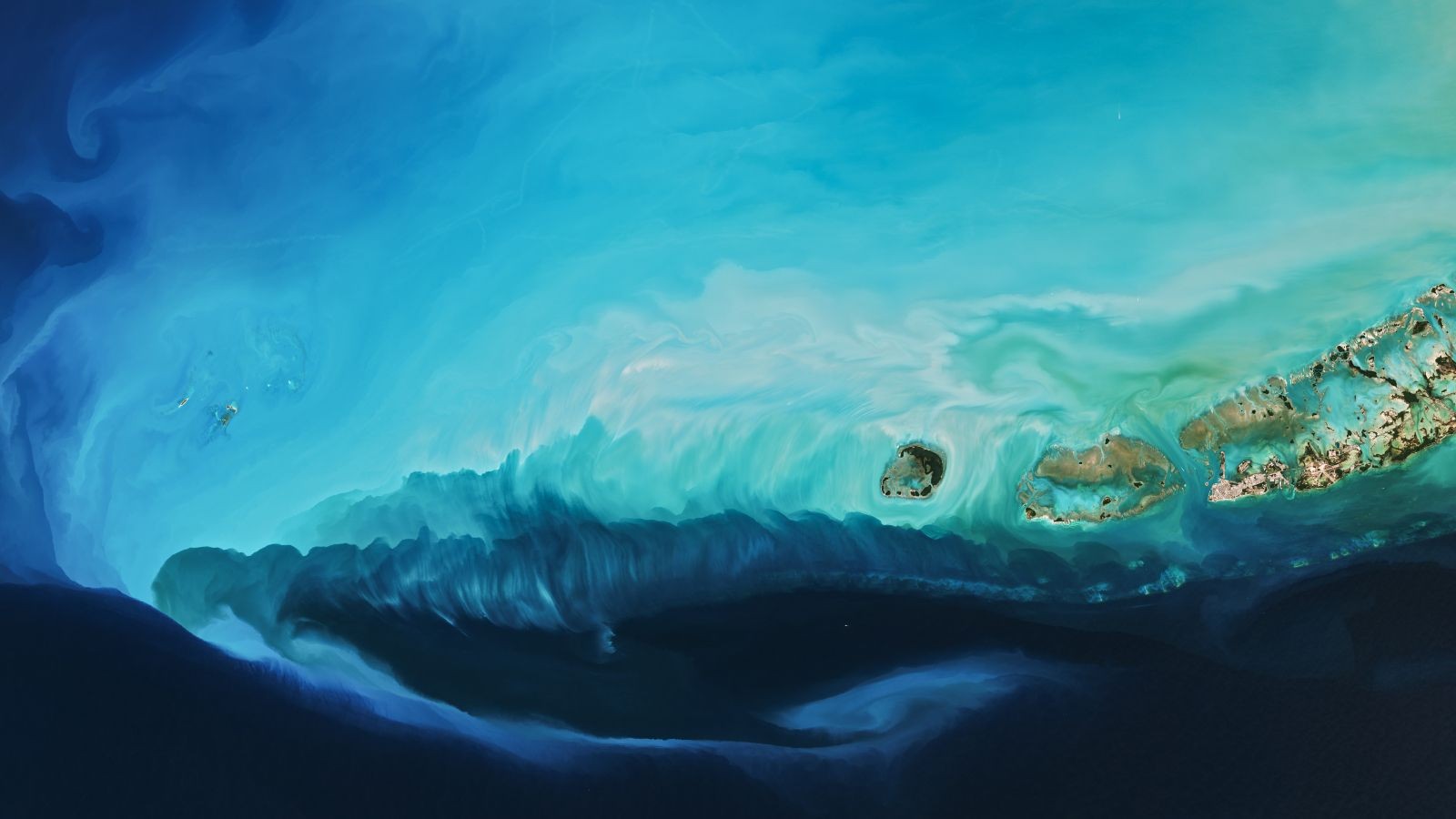
An unusually strong surge of Arctic air triggered a rare and visually stunning underwater phenomenon off the coast of Florida earlier this year. Satellite imagery captured a vast plume of swirling marine sediment stretching over 150 miles, revealing the hidden impact of extreme weather events on marine ecosystems.
The Polar Vortex and Extreme Weather
The event was driven by a southward dip in the polar vortex – a persistent, circulating mass of cold air that normally remains centered over the Arctic. When this vortex weakens or distorts, it can send frigid temperatures far beyond their usual range. In late January, this occurred across eastern North America, with temperatures plummeting to -43°F (-42°C) in parts of the Midwest.
This isn’t merely a cold snap. The increasing frequency of such events raises concerns about the stability of the polar vortex and its connection to broader climate trends. Recent studies suggest that human-caused climate change may be making these deep southward intrusions more likely. A destabilized Arctic, ironically, could mean more extreme cold outbreaks in mid-latitude regions.
How the Plume Formed
The cold air mass created powerful winds over the West Florida Shelf, a shallow underwater region extending off Florida’s southwest coast. These winds stirred up calcium carbonate – the skeletal remains of corals, algae, and crustaceans – from the seafloor. This material accumulated over time, forming what’s known as a “carbonate ramp.” The strong currents then dragged the sediment toward the surface, creating the visible plume.
The process differs from sediment plumes formed by hurricanes, which tend to be more chaotic. The Arctic blast created more delicate and intricate swirls because the disturbance was less violent.
Unique Features in the Plume
The satellite imagery reveals several notable details:
- Concentrated Line: The highest concentration of sediment stretches directly between Key West and Dry Tortugas National Park.
- Hammerhead Eddy: A rare pair of counter-rotating eddies, or “hammerhead eddy,” formed where the cold plume met warmer Gulf of Mexico waters.
- Loop Current: A trail of sediment snaked beneath the plume and terminated in a distinctive curl, indicating water flow through hidden channels in the shelf’s floor.
According to chemical oceanographer James Acker, the cold air also cooled shallow waters, making them denser and causing them to sink, carrying sediment toward the shelf’s edge.
Implications and Future Outlook
This event demonstrates the far-reaching consequences of extreme weather. While natural processes like hurricanes can create similar plumes, the increasing frequency of Arctic blasts suggests a shift in environmental patterns. As climate change continues, we may see more of these dramatic, yet unsettling, seascapes emerge. The interplay between atmospheric and oceanic systems is becoming more volatile, and the resulting changes in marine ecosystems are a growing concern.