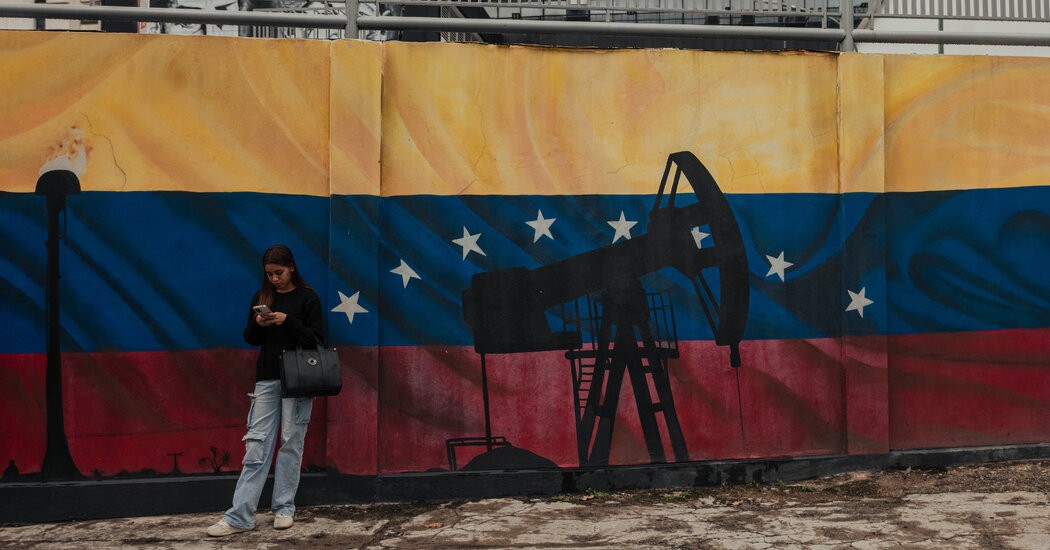
Washington, D.C. – Senate Democrats have launched a formal inquiry into the role of American oil companies in the Trump administration’s intervention in Venezuela. The investigation seeks to determine whether major energy firms had prior knowledge of, or even influenced, the U.S. military and political actions that led to the destabilization of the country and seizure of its oil assets.
Congressional Scrutiny of Industry Communications
Five senators – Sheldon Whitehouse, Ron Wyden, Elizabeth Warren, Peter Welch, and Brian Schatz – sent letters to the CEOs of eight major oil companies: ExxonMobil, Chevron, Shell, ConocoPhillips, BP America Inc., Citgo Petroleum Corp., Continental Resources, Halliburton, SLB, Weatherford International, and Baker Hughes. These letters demand full disclosure of all meetings between company executives and administration officials where Venezuelan oil interests were discussed.
The senators’ core question is whether U.S. oil companies were informed about or played a role in shaping foreign policy decisions related to Venezuela, particularly given that Congress was reportedly not given advance notice of the intervention. Senator Edward Markey of Massachusetts also sent separate inquiries to the same firms.
Trump Confirms Industry Discussions
The probe gained momentum after former President Trump openly admitted to discussing the Venezuela operation with oil companies both before and after the intervention. According to Trump, these firms were eager for access to Venezuelan oil resources. This admission raises direct questions about whether industry pressure influenced U.S. policy toward Venezuela.
Financial Concerns and Taxpayer Burden
The senators’ letters also pressed for transparency regarding the costs of rebuilding Venezuela’s oil industry, which was severely damaged during the intervention. The lawmakers are concerned that American taxpayers may ultimately bear the financial burden of restoring Venezuelan oil production, a cost that could run into the billions.
Industry Response and Trade Group Position
The American Petroleum Institute (API), a trade group representing major oil and gas companies, issued a statement acknowledging the situation. A spokesperson for API said they were “closely watching developments involving Venezuela and any potential implications for global energy markets.” However, the statement does not address the core question of whether companies actively sought or benefited from the U.S. intervention.
The Democrats’ investigation highlights a pattern of oil interests and foreign policy decisions intertwining. If these ties are confirmed, it could reshape how Washington approaches resource-rich nations in the future. The lawmakers aim to ensure that corporate influence does not undermine Congressional oversight or burden U.S. taxpayers with geopolitical costs.