British beaches aren’t just losing sand to erosion – they’re replacing it with human-made waste. A new study shows that up to 50% of coarse sediment on some UK shores now consists of materials like brick, concrete, glass, and industrial byproducts. This isn’t a future threat; it’s happening now, accelerated by climate-driven storms that are ripping apart coastal areas and dumping waste onto the sand.
The Rise of “Anthropogenic Sand”
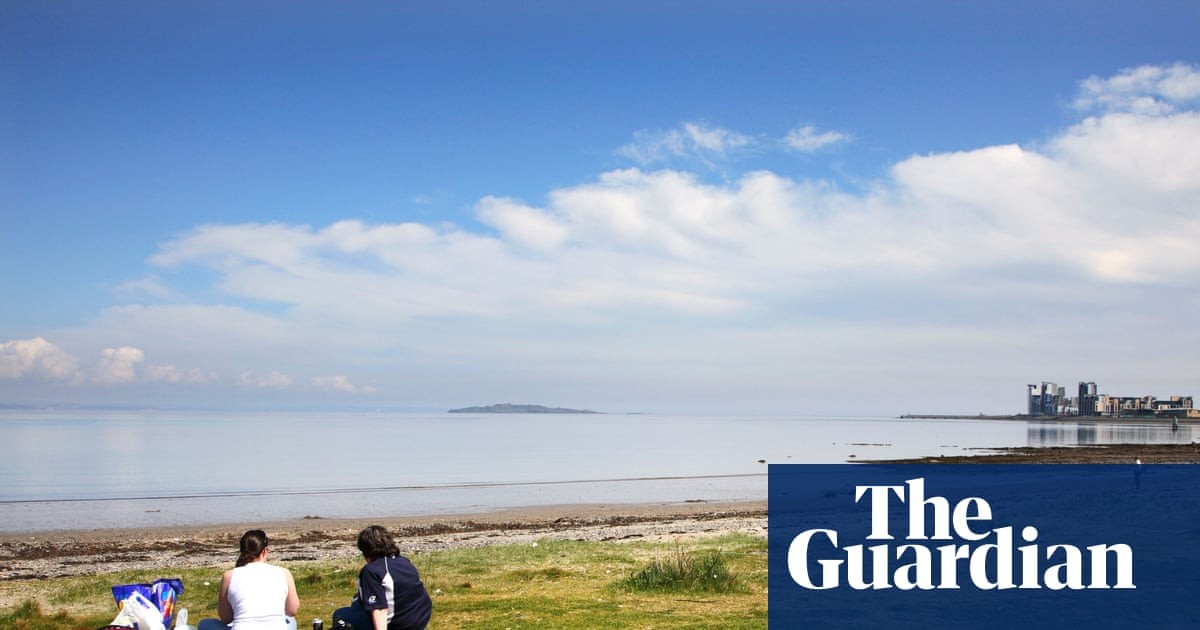
Researchers at the University of Glasgow surveyed six sites along the Firth of Forth in Scotland, systematically analyzing beach sediment. The results were stark: at Granton beach near Edinburgh, half the coarse material was traced back to human sources. This waste isn’t just litter; it’s the result of eroding industrial sites and decades of dumping.
The phenomenon isn’t limited to Scotland. Similar “urban beaches” exist elsewhere in the UK. Crosby beach in Merseyside contains debris from wartime bombing and old collieries, while the Thames estuary has its own peculiar sediment: rounded bricks dubbed “Thames potatoes.”
Why This Matters
The study’s significance goes beyond just the shocking numbers. Beaches aren’t fixed ecosystems; they’re dynamic environments constantly reshaped by natural forces and human activity. The increasing presence of artificial materials alters the physical landscape, and could have unpredictable consequences for marine life and coastal stability.
Professor Larissa Naylor, co-author of the study, argues that this warrants a new scientific classification: “anthropogenic sand and gravel” beaches. This isn’t just about plastic pollution; it’s about the pervasive impact of industrial waste and erosion on coastal environments.
“Research like this casts a new light on how human activity is affecting the natural world.” — Larissa Naylor, University of Glasgow
The Future of UK Coastlines
The trend is clear: as climate change worsens and coastal erosion accelerates, more and more beaches will likely become dominated by human waste. Further research is critical to understanding these changes, and adapting coastal management strategies accordingly. The question isn’t whether this will continue, but how drastically the landscape will transform.
In short, the study reveals that UK beaches are no longer just natural formations; they’re increasingly becoming visible monuments to human impact.