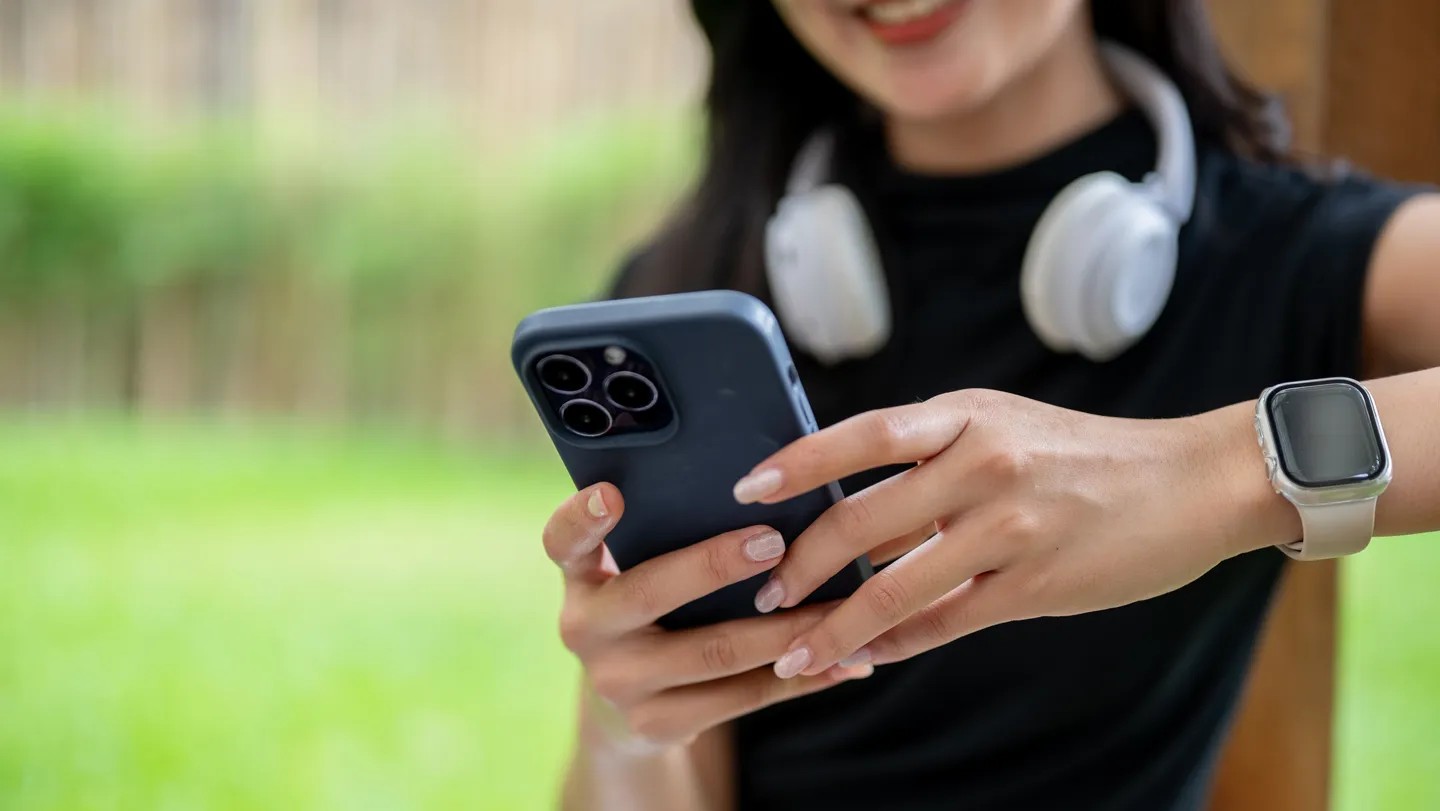
Long nails and touchscreens have always been at odds. But a new development in cosmetic chemistry could soon change that. Researchers have created an experimental nail polish that allows fingernails to register as touch on electronic devices, effectively turning them into built-in styluses.
The Problem with Touchscreens and Non-Conductive Materials
Modern touchscreens rely on a thin layer of electrically conductive material to detect input. When a conductive object, like a fingertip, disrupts the screen’s electric field, the device registers it as a touch. However, materials such as fingernails or gloves don’t conduct electricity, making them unable to activate the screen. This has long been a frustration for those who prefer longer nails.
As Manasi Desai, an undergraduate researcher at Centenary College of Louisiana, points out, “It’s really hard to use your phone” when you’re forced to type with the pads of your fingers instead of your nails. The change in typing angle can even lead to errors until the user adjusts.
The Solution: Taurine and Ethanolamine-Infused Polish
Desai, along with her advisor Joshua Lawrence, an organometallic chemist, found a solution by adding specific compounds to commercially available clear nail polish. Two additives – ethanolamine and taurine – each resulted in a formulation that could activate touchscreens when applied in a small quantity.
Notably, taurine is a naturally occurring dietary supplement, reducing potential toxicity concerns. “One of our major goals was to make it clear and colorless, so that you could apply it over any manicure or even on your bare nails,” Desai explains.
How it Works: Charge Transfer Through Acid-Base Chemistry
The modified polish seems to work through acid-base chemistry, though further research is needed. The additives likely shuffle protons when in contact with the screen’s electric field, generating enough charge to register as touch.
Challenges and Future Directions
While promising, the current formula isn’t ready for commercial use. Applying a thin coat to a fingernail doesn’t leave enough conductive material to activate the screen reliably. The researchers plan to improve the formula’s performance by increasing the concentration of taurine in the polish.
“This is huge, because it shows that functional behavior can be embedded invisibly into everyday cosmetic materials,” says Shuyi Sun, a computer scientist studying cosmetic biosensors.
This development highlights how everyday materials can be engineered to interact with technology in new ways. The future of touchscreens may soon include the ability to type comfortably, even with long nails.