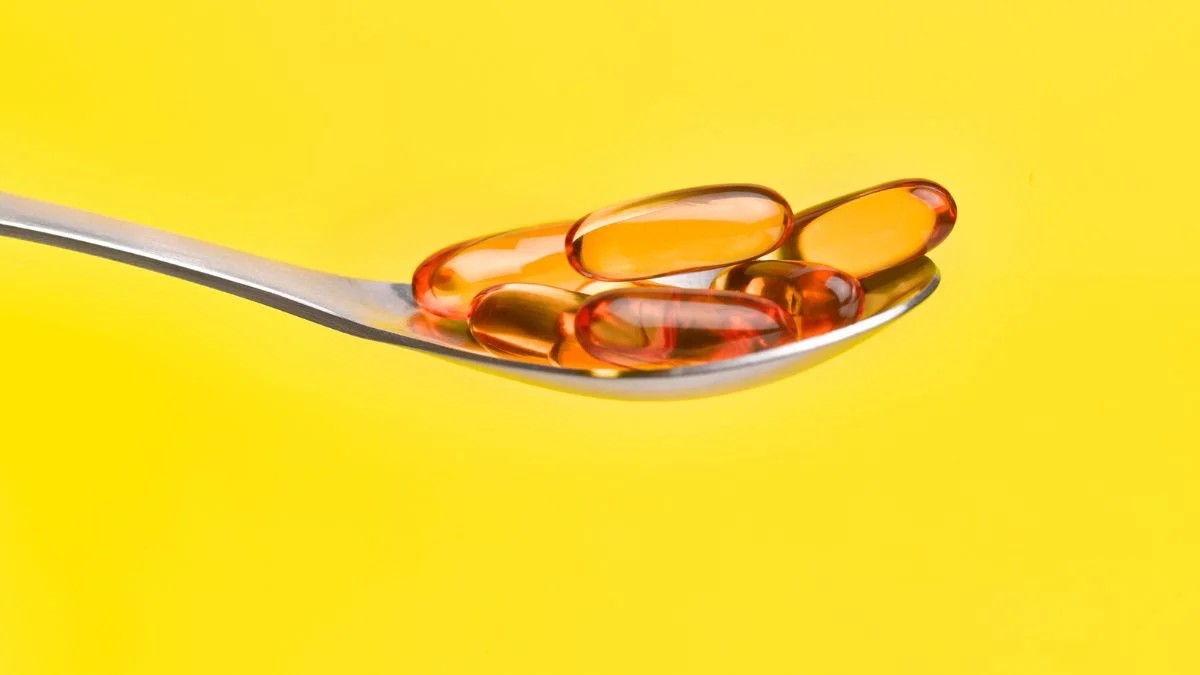
While vitamin D is widely celebrated as the “sunshine vitamin” essential for bone health and immune function, a growing body of medical evidence suggests that its popularity may be leading to a dangerous trend: vitamin D toxicity.
As supplements become a staple in modern wellness routines, doctors are warning that excessive intake can lead to severe, even life-threatening, complications.
The Mechanism of Toxicity: Hypercalcemia
The primary danger of over-supplementing with vitamin D lies in how the body processes calcium. Vitamin D’s main role is to help the body absorb calcium; however, when levels of the vitamin become excessive, the body absorbs far too much calcium.
This condition, known as hypercalcemia, can cause calcium to form dangerous deposits in soft tissues and arteries. The physiological consequences include:
- Gastrointestinal distress: Nausea, vomiting, and constipation.
- Physical weakness: Fatigue and muscle weakness.
- Bone and kidney issues: Bone pain and the formation of kidney stones.
- Severe complications: In extreme, untreated cases, hypercalcemia can lead to kidney failure requiring dialysis or fatal intestinal bleeding.
A Growing Trend of Mismanagement
The rise in toxicity cases is not merely a medical phenomenon but a result of shifting consumer habits and misinformation. Researchers have noted a “considerable complacency” regarding the risks of high doses, fueled in part by popular literature that promotes massive doses as a panacea for various ailments.
The data shows a staggering increase in reported issues. In the United States, between 2005 and 2011, reported cases of vitamin D toxicity surged by 1,600%. This trend is particularly concerning for vulnerable populations:
- Children: Accidental overdoses are common, often due to manufacturing errors or dosing mistakes. In Denmark, a single supplement recall involved capsules containing 75 times the recommended dose, affecting dozens of children.
- The Elderly: Older adults are at risk both from high doses and from the side effects of toxicity. Some studies suggest that excessively high vitamin D levels in seniors may actually increase the risk of falls.
Finding the Balance: Natural vs. Supplemental
For most people, vitamin D is easily managed through natural means. The body produces approximately 90% of its required vitamin D through skin exposure to sunlight, with the remaining 10% sourced from dietary intake, such as fatty fish and fortified dairy products.
While the medical community remains divided on whether supplements provide significant benefits for aging or depression, there is a consensus on safety limits.
Recommended Guidelines
To avoid the risks of toxicity, medical experts—including those from Harvard Medical School—suggest following these general benchmarks:
- Standard Daily Intake: Most individuals likely only need 15 mcg to 20 mcg (600 IU to 800 IU) per day.
- The Upper Limit: Unless specifically directed by a physician to treat a deficiency, one should avoid exceeding 100 mcg (4,000 IU) per day.
- Preferred Method: If a deficiency is suspected, doctors recommend prioritizing fortified foods over high-dose pills, as food-based sources carry a significantly lower risk of causing toxicity.
Summary: While vitamin D is vital for health, the trend toward high-dose supplementation carries significant risks of hypercalcemia and organ damage. Maintaining levels through sunlight and diet, or following strict medical guidance, is essential to avoid the dangers of excess.