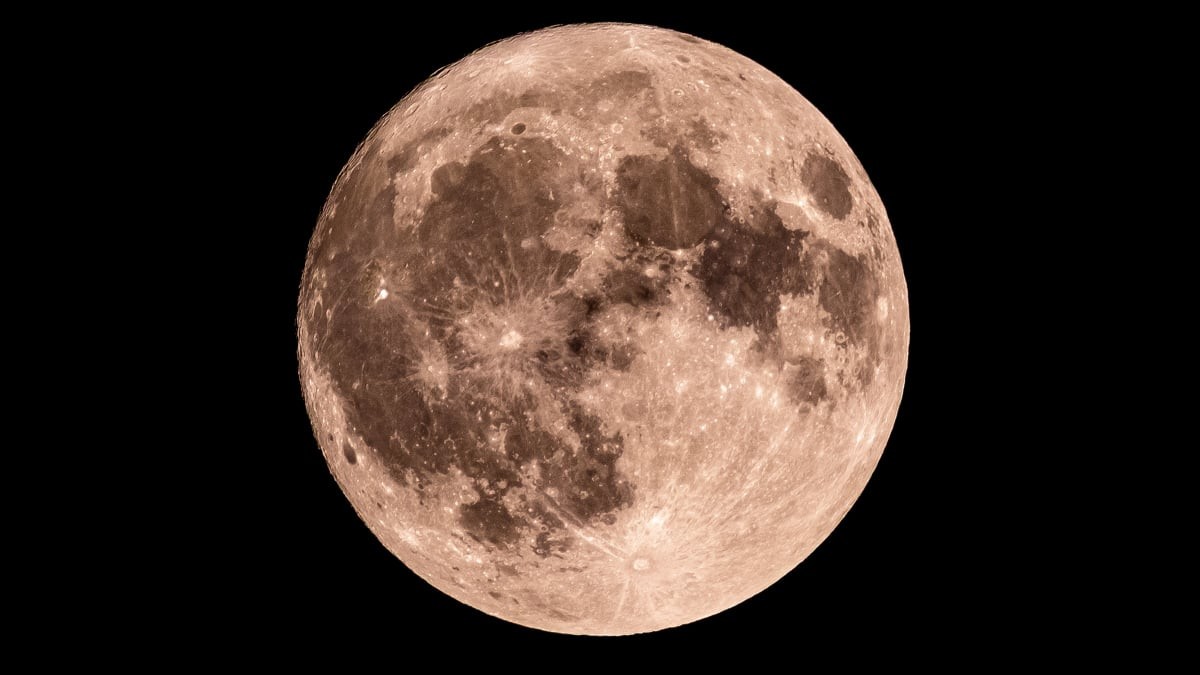
The Moon is currently in its Waxing Gibbous phase, meaning nearly all of its visible surface is lit up. As of March 2, 2026, approximately 98% of the Moon is illuminated, making it a prominent sight in the night sky. This phase precedes the Full Moon scheduled for March 3rd, and represents a key stage in the lunar cycle.
What You Can See Tonight
Even without specialized equipment, observers can distinguish notable features such as the Mares Vaporum and Crisium, along with the Aristarchus Plateau. Binoculars enhance visibility, revealing the Endymion Crater, Grimaldi Basin, and Archimedes Crater. Telescopes provide even greater detail, including the Apollo 16 landing site, the Rima Hyginus (a sinuous rille), and the rugged Caucasus Mountains.
Understanding Moon Phases
The Moon’s apparent changes in shape—its phases—are a result of its orbit around Earth and the way sunlight reflects off its surface. It takes approximately 29.5 days for the Moon to complete one full cycle of phases. The same side of the Moon always faces Earth, but the proportion of that side illuminated by the Sun varies, creating the familiar sequence we observe.
These phases are:
- New Moon: The Moon is between Earth and the Sun, making it appear dark from our perspective.
- Waxing Crescent: A thin sliver of light appears, growing larger each night.
- First Quarter: Half of the Moon is illuminated.
- Waxing Gibbous: More than half of the Moon is lit, approaching fullness.
- Full Moon: The entire visible surface is brightly illuminated.
- Waning Gibbous: The illuminated portion begins to decrease.
- Third Quarter (or Last Quarter): Half of the Moon is lit, but on the opposite side from the First Quarter.
- Waning Crescent: A shrinking sliver of light remains before the cycle restarts.
The Moon’s phases have been tracked and studied for millennia, influencing cultures and calendars worldwide. While the mechanics are simple, the Moon’s consistent cycle provides a predictable rhythm in our night sky.
The next Full Moon will be on March 3, following the last one on February 1. Observing these shifts in lunar illumination offers a connection to larger astronomical patterns.