

Tonight, the Moon is in its First Quarter phase, meaning half of its visible surface is illuminated. This occurs when the Moon is positioned 90 degrees from the Sun in its orbit around Earth, marking the midpoint between the New Moon and the Full Moon.
What to Expect Tonight
As of Friday, November 28th, NASA reports that approximately 53% of the Moon is visible. To the naked eye, observers can expect to see the Vaporum, Tranquillitatis, and Serenitatis Mares. With binoculars, the Endymion and Alphonsus Craters, along with the Mare Nectaris, become visible. Those with telescopes may even catch glimpses of the Apollo 15 and 17 landing sites, as well as the Descartes Highlands.
The Next Full Moon: A Supermoon Event 🚀
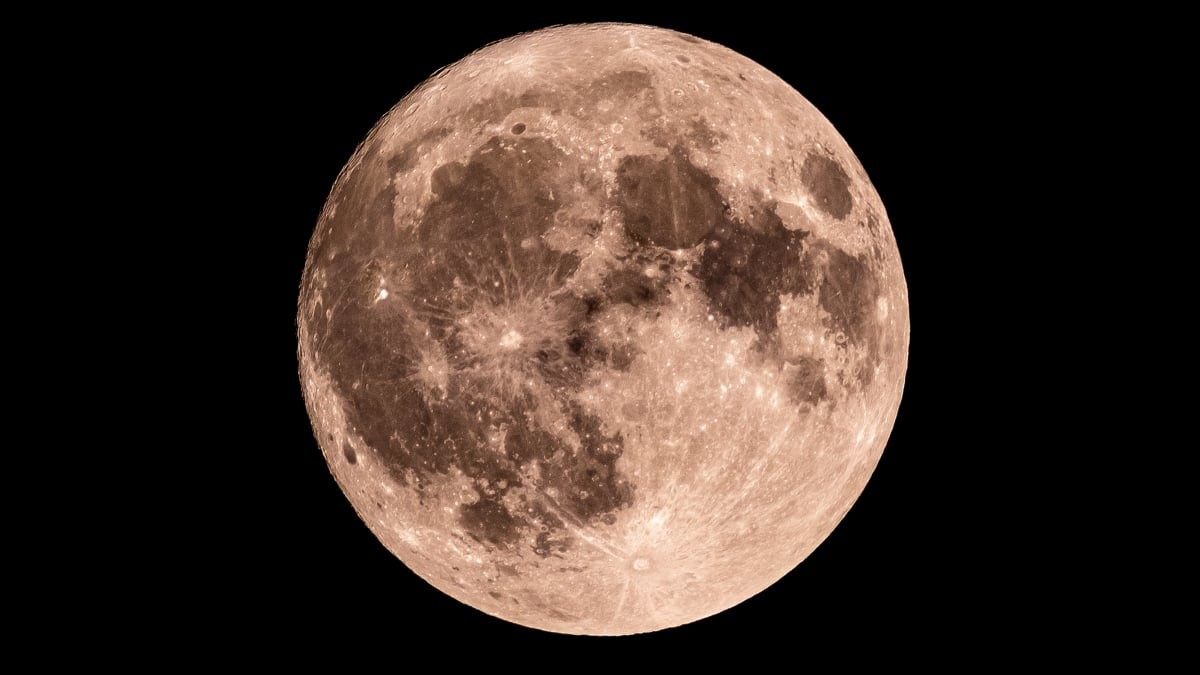
The next Full Moon is scheduled for December 4th, and it will be the third consecutive supermoon of the year. Supermoons occur when the Full Moon coincides with the Moon’s closest approach to Earth in its orbit, making it appear brighter and larger than usual. The previous Full Moon occurred on November 5th.
Understanding Moon Phases: A Lunar Cycle 🌒🌓🌔
Moon phases are a natural result of the Moon’s orbit around Earth. The lunar cycle, which takes approximately 29.5 days to complete, describes the changing appearance of the Moon as sunlight illuminates different portions of its surface. While we always see the same side of the Moon from Earth, the amount of visible light varies throughout its orbit. Here’s a breakdown of the eight primary phases:
- New Moon: The Moon is between Earth and the Sun, rendering the visible side dark.
- Waxing Crescent: A sliver of light appears on the right side (in the Northern Hemisphere).
- First Quarter: Half of the Moon is lit on the right side, appearing as a half-moon.
- Waxing Gibbous: More than half of the Moon is illuminated, but not yet full.
- Full Moon: The entire visible surface is lit.
- Waning Gibbous: Light begins to diminish on the right side.
- Third Quarter (Last Quarter): The left side of the Moon is half illuminated.
- Waning Crescent: A thin sliver of light remains on the left side before disappearing again.
Moon phases are not just a celestial spectacle; they influence Earth’s tides, animal behavior, and even some cultural practices. Understanding these cycles provides a deeper connection to our planet’s natural rhythms.