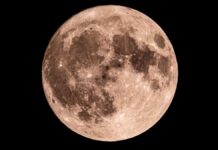


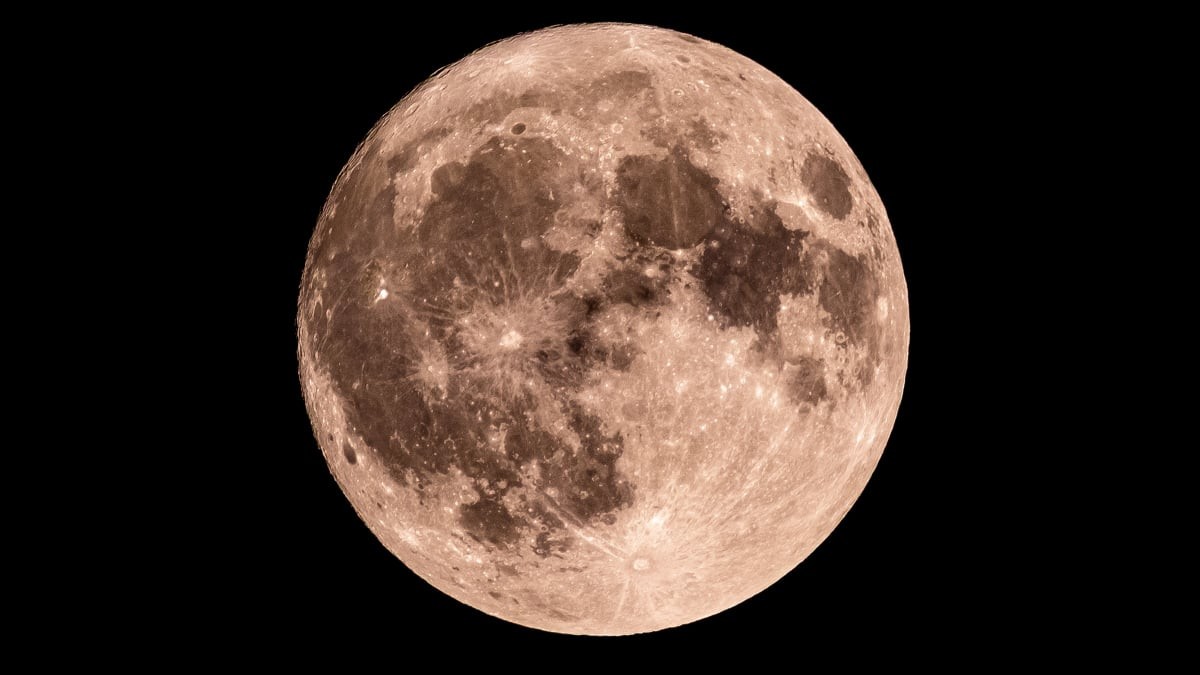
As of today, November 30, 2025, the Moon is in its Waxing Gibbous phase, meaning approximately 74% of its surface is illuminated. This makes for a bright and easily visible Moon in the night sky. The next Full Moon is scheduled for December 4th, marking the third consecutive supermoon of the month – a phenomenon when the Moon appears larger and brighter due to its closer proximity to Earth.
Observing the Moon Tonight
With the naked eye, observers can distinguish major lunar features like the Vaporum, Crisium, and Fecunditatis Maria (dark volcanic plains). Binoculars will reveal finer details, including craters such as Endymion and Alphonsus, as well as the Apennine Mountains. For those with telescopes, historical landing sites from the Apollo 11 and 14 missions, along with the Caucasus Mountains, become visible.
Understanding Moon Phases
The Moon’s phases are caused by the changing angles at which we view the Moon’s sunlit surface as it orbits Earth. The lunar cycle, roughly 29.5 days long, presents eight distinct phases:
- New Moon : Invisible to the naked eye due to its position between Earth and the Sun.
- Waxing Crescent : A thin sliver of light appears on the right side (Northern Hemisphere).
- First Quarter : Half of the Moon is lit on the right side.
- Waxing Gibbous : More than half of the Moon is lit, but not yet full.
- Full Moon : The entire face of the Moon is illuminated.
- Waning Gibbous : The Moon begins to lose light on the right side.
- Third Quarter : Half of the Moon is lit, now on the left side.
- Waning Crescent : A thin sliver of light remains on the left side before becoming invisible again.
The Moon’s consistent presentation of the same side to Earth doesn’t change the illumination patterns. The changes we see are purely due to how sunlight interacts with the lunar surface as it orbits.
Understanding these phases is essential for astronomers and casual observers alike, as they dictate the best times for lunar observation. The upcoming supermoon on December 4th will provide another excellent opportunity to witness this celestial event.