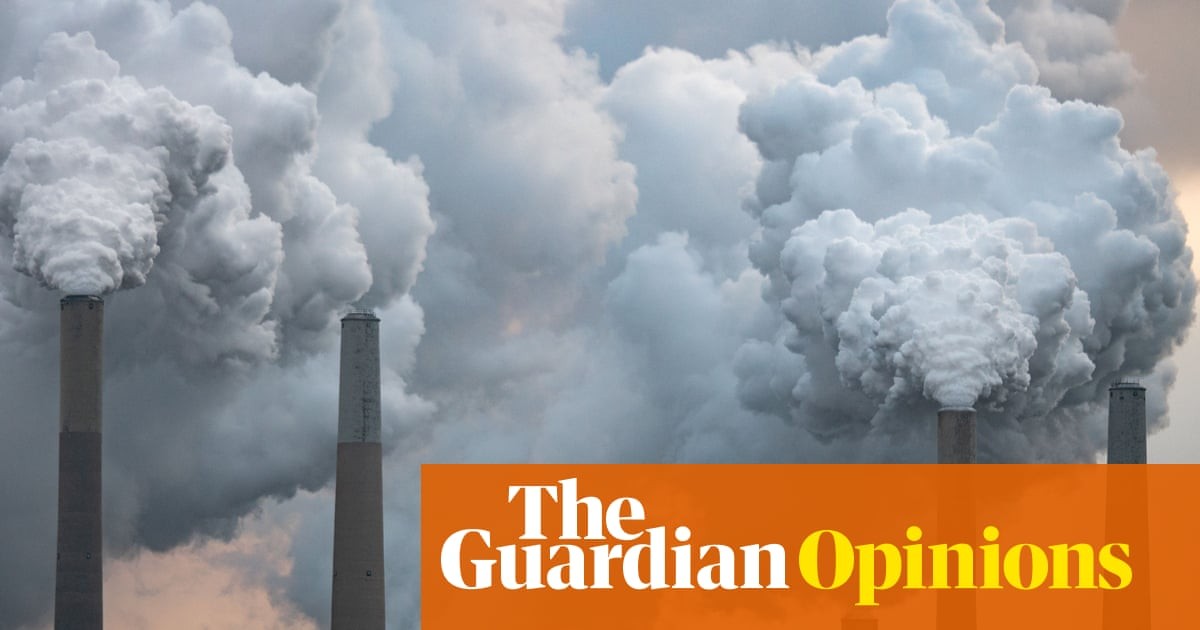
The debate around geoengineering—deliberate large-scale interventions in Earth’s climate system—is no longer theoretical. It’s a pressing issue confronting policymakers worldwide. While the history of climate action has been rooted in accidental geoengineering via fossil fuel emissions, the question now is whether we should explore controlled interventions to mitigate further damage. Blocking vital research on this front would be a severe error.
The Urgency of Exploration
For decades, humanity has unintentionally altered the planet by releasing greenhouse gases, disrupting Earth’s energy balance and triggering dangerous feedback loops. This is de facto geoengineering without intention or governance. As climate scientist James Hansen warns, the likelihood of catastrophic warming is accelerating, with melting ice, shifting clouds, and increasing particulate pollution darkening the planet.
The problem is not whether we’ve altered the climate, but whether we’re prepared for the consequences. Current mitigation efforts, while essential, are insufficient to avert worst-case scenarios. We need a broader strategy that includes adaptation, resilience, and, critically, rigorous research into potential interventions.
Why Bans are Counterproductive
Banning geoengineering research is shortsighted. Opponents from both the right and left—from conspiracy theorists to those who view it as a “moral hazard”—are stifling inquiry at a time when knowledge is our most powerful tool. The Earth’s climate system is proving more sensitive to greenhouse gases than previously assumed, and emissions are not declining fast enough.
“Refusing to consider potentially life-saving options is not moral clarity—it’s moral failure.”
Shutting down research doesn’t eliminate the need for solutions; it ensures that future decisions will be made in crisis, under pressure, and without preparation.
Responsible Pathways Forward
Exploring interventions like reflecting sunlight with particles or brightening marine clouds could buy time and avert catastrophic consequences. These are temporary measures, but they deserve careful study. A serious research program allows for credible options to be developed, tested, and discarded responsibly.
This does not mean abandoning emissions reduction. Cutting greenhouse gases remains the long-term solution, and there are positive signs that emissions growth is slowing. However, given the late start and the potential for natural carbon cycles to weaken, our ability to avert dangerous impacts is diminishing.
The Moral Imperative
Climate justice demands protecting people from suffering. A holistic plan must integrate mitigation, adaptation, and risk reduction. The debate isn’t whether to explore these options, but when and by whom. The window for shaping this process safely and inclusively is closing.
We need leaders, funders, and governments to engage constructively—not to replace existing climate strategies, but to complement them. Dismissing ideas is easy; the real work lies in identifying what might actually help, and preparing before an escalating crisis forces our hand.
The future hinges on informed choices, not panicked reactions. Blocking research now will only guarantee a more dangerous and unprepared future.