


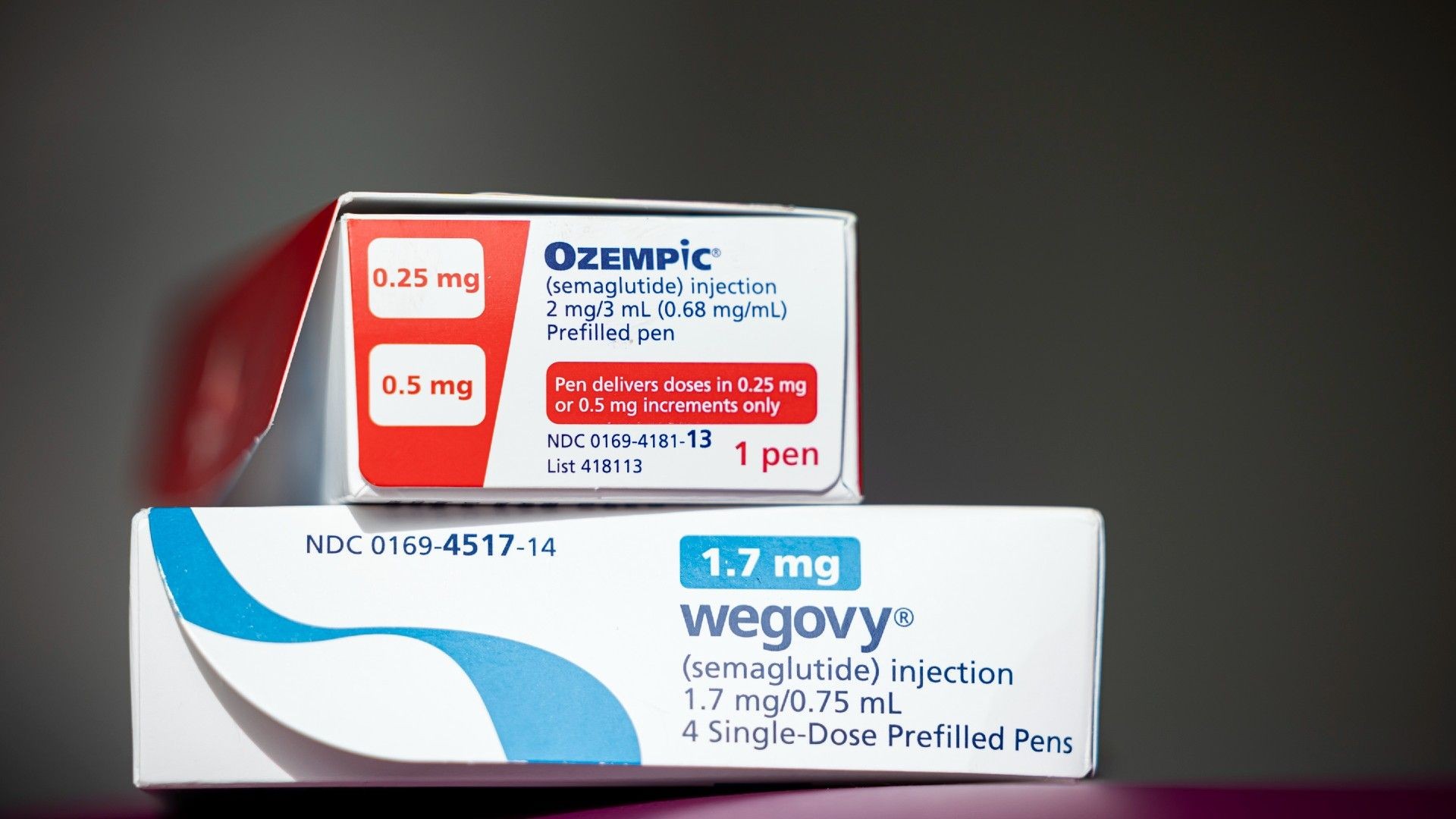
Recent research suggests a potential link between the use of GLP-1 receptor agonist drugs (like Ozempic, Wegovy, and Zepbound) and increased risks during pregnancy. While these medications aren’t recommended during pregnancy, stopping them before conception may not be risk-free either. The study highlights gaps in current understanding, particularly regarding how stopping these drugs impacts weight regain and related health metrics in women planning to conceive.
What the Study Found
Researchers at Mass General Brigham analyzed data from over 450 pregnancies where mothers used GLP-1 drugs around conception. They found that women who stopped taking these medications had a higher risk of preterm delivery, gestational diabetes, and hypertensive disorders of pregnancy (including high blood pressure and preeclampsia). Additionally, they experienced more weight gain during pregnancy—an average of 30 pounds versus 23 pounds in a comparison group. Roughly 65% of GLP-1 users had excessive weight gain, compared to 49% in the control group.
The Complicated Picture
The findings are preliminary but crucial because GLP-1s are increasingly used for weight management, and many women may discontinue them when planning a family. The study’s lead author, Dr. Jacqueline Maya, emphasizes this as a “heads up” for doctors, urging close monitoring of patients in this situation. The underlying issue is that stopping these drugs can lead to weight rebound, which in turn can worsen metabolic health markers like blood pressure and cholesterol.
The study compared GLP-1 users with women of similar BMI after exposure to the drugs, meaning the treated group likely had lower BMIs before starting the medication. This makes it hard to determine if the observed risks are due to the drugs themselves or the weight regain that follows discontinuation.
Why This Matters
GLP-1s are effective but understudied in the context of pregnancy. Initial drug trials excluded women planning conception, leaving a vulnerable population without clear clinical guidance. The current lack of data makes it difficult to balance the potential benefits of weight loss before pregnancy (reducing metabolic risks) against the observed increase in pregnancy complications.
Researchers are working to gather more comprehensive data, including pre-treatment BMIs, to better understand the full picture. The debate over whether GLP-1 use before conception can be beneficial despite eventual discontinuation remains open. Some studies suggest the drugs reduce hypertensive disorders, but this may depend on whether they’re prescribed for obesity or diabetes.
“It is critical that we strive to generate the evidence needed both to inform obstetric care and guide treatment initiation decisions,” conclude the study’s commentators.
This research underscores a common pattern: drugs are first tested on broader populations before being studied in specific subgroups. Now, as GLP-1 use expands, researchers are catching up to address the risks and benefits for those who weren’t initially included in clinical trials.