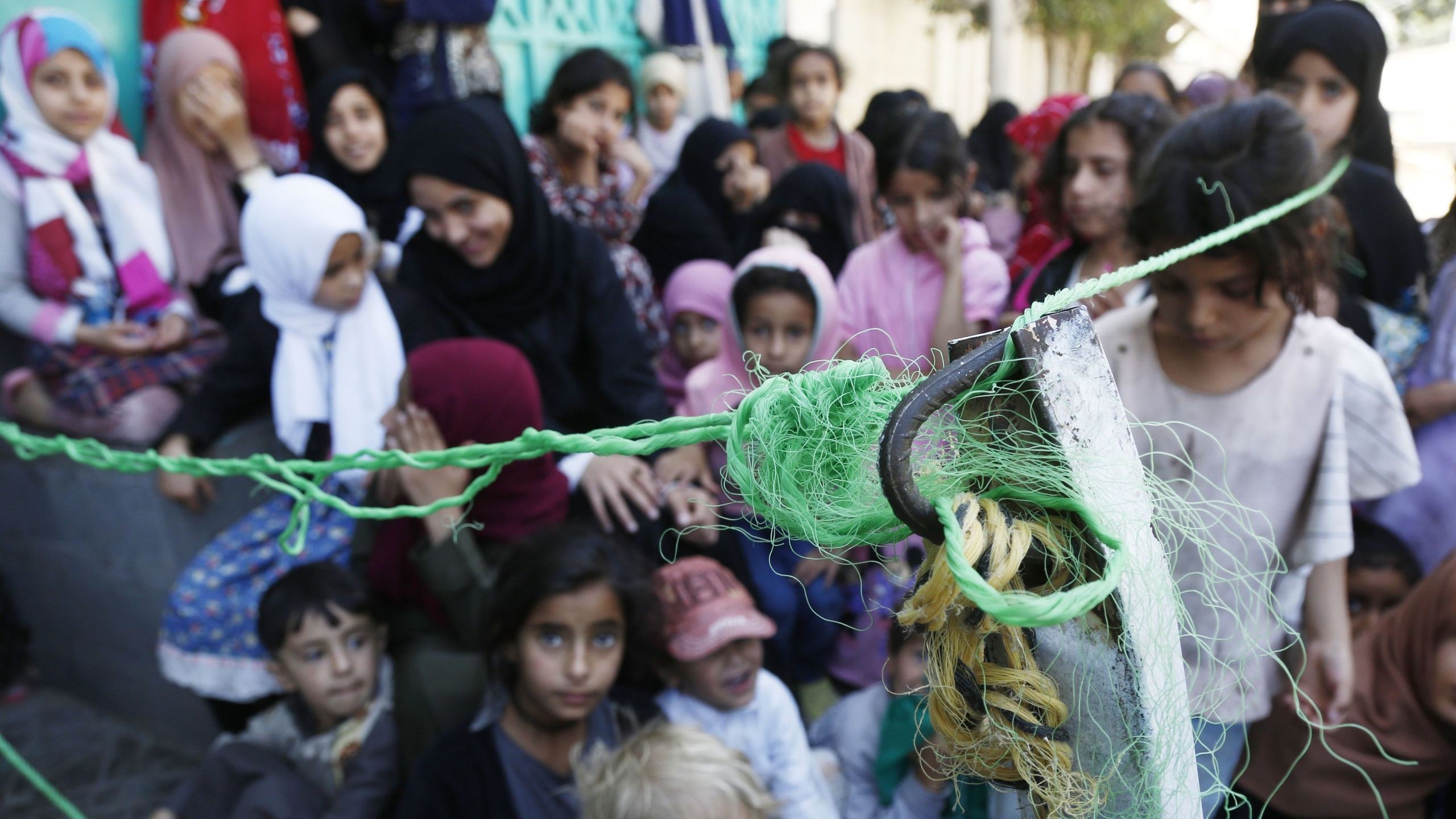
The ongoing conflict involving Iran threatens to escalate global food insecurity to unprecedented levels, potentially pushing an additional 45 million people into acute hunger within the next three months. A recent analysis by the United Nations World Food Programme (WFP) projects that, if the situation persists with oil prices remaining elevated, a staggering 363 million people worldwide will face food insecurity – exceeding the previous record set during the onset of the Ukraine war in 2022, when 349 million were affected.
Disrupted Trade and Rising Prices
The root of the crisis lies in the severe disruption to global trade, particularly through the Strait of Hormuz. Since March 2nd, shipping has effectively halted in this critical waterway, blocking the flow of essential commodities like oil, liquefied natural gas, and, crucially, fertilizer. This blockage is especially devastating because it coincides with planting season in sub-Saharan Africa, a region heavily reliant on fertilizer imports—approximately 25% of the global supply passes through the Strait.
Rising oil prices, already above $100 per barrel, are exacerbating the problem. Regions dependent on food and fuel imports, including much of Asia and sub-Saharan Africa, will bear the brunt of these increased costs. The WFP’s calculations demonstrate that sustained high oil prices will make a 2,100-calorie diet unaffordable for millions more people globally.
Regional Impacts and Vulnerable Populations
The analysis highlights specific regional vulnerabilities:
- Asia: Projected to see a 24% increase in food insecurity, impacting 9.1 million additional people.
- Eastern and Southern Africa: Approximately 17.7 million will be newly affected.
- Latin America & Caribbean: An estimated 2.2 million will experience increased food insecurity.
- Middle East & North Africa: 5.2 million more people will fall into hunger.
- Central Africa: 10.4 million additional individuals will struggle to access sufficient food.
“If this conflict continues, it will send shockwaves across the globe. Families who already cannot afford their next meal will be hit the hardest,” warns Carl Skau, WFP deputy executive director.
The Scope of the Crisis
The WFP’s assessment is based on modeling how sustained oil price shocks would impact global food prices, factoring in each country’s reliance on imports and the number of individuals unable to afford an adequate diet. The situation is dire, as it would push global hunger levels to an all-time high, a “terrible, terrible prospect,” according to Skau.
The combination of disrupted supply chains, rising energy costs, and the timing of agricultural seasons creates a perfect storm for widespread famine and instability. Without rapid and significant humanitarian intervention, the consequences will be catastrophic for vulnerable populations already struggling with food insecurity.