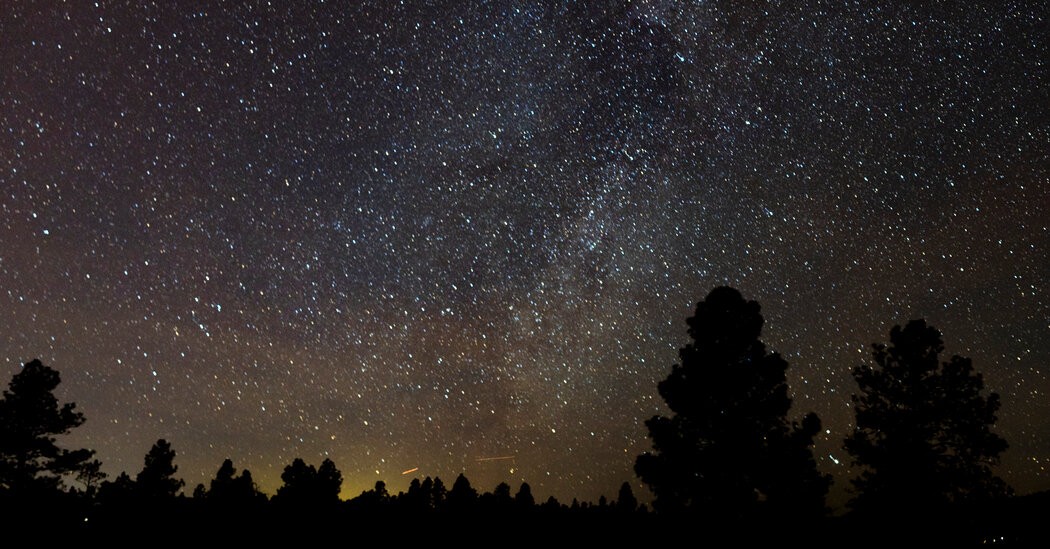
A California-based start-up, Reflect Orbital, is proposing a radical solution to energy and lighting challenges: deploying 50,000 massive mirrors in orbit to bounce sunlight onto the dark side of Earth. The company aims to power solar farms after dark, enhance emergency response capabilities, and even illuminate urban areas. This concept, once relegated to science fiction, is now under consideration by the Federal Communications Commission (FCC).
The Concept: Artificial Sunlight from Space
Reflect Orbital has filed an application with the FCC for permission to launch a prototype satellite equipped with a 60-foot-wide mirror. If approved, the test deployment could occur as early as this summer. The company, which has secured over $28 million in funding, envisions a network of these mirrors significantly reducing reliance on fossil fuels. According to CEO Ben Nowack, the goal is to “build something that could replace fossil fuels and really power everything.”
Historical Precedent & Technical Feasibility
The idea isn’t new. As far back as 1977, engineers proposed similar concepts – including using space mirrors to prevent crop damage from frost or provide light in disaster zones. A 1993 Russian experiment even briefly reflected a narrow beam of sunlight from an 80-foot mirror across the planet to extend daylight in Siberia. The feasibility is established; the question now is regulation.
Regulatory Concerns and Scientific Debate
The proposal has ignited debate among scientists and regulatory bodies. Roohi Dalal, an astronomer at the American Astronomical Society, highlights a critical gap: “We just don’t have a regulatory process for these types of novel space activities yet.” The potential impact on astronomical observations, the risks of light pollution in the night sky, and the long-term effects on ecosystems remain largely unstudied. The FCC’s public comment period on Reflect Orbital’s application closes soon, raising pressure for a swift decision.
The introduction of large-scale space-based reflectors raises critical questions about space resource management and environmental impact. The sheer scale of the proposed deployment – 50,000 mirrors – demands careful consideration of orbital debris, atmospheric interference, and the equitable distribution of this artificial sunlight.
This initiative represents a bold step towards alternative energy solutions, but also underscores the need for robust international guidelines on space-based technologies. The FCC’s decision will likely set a precedent for future proposals, shaping the direction of orbital infrastructure development.