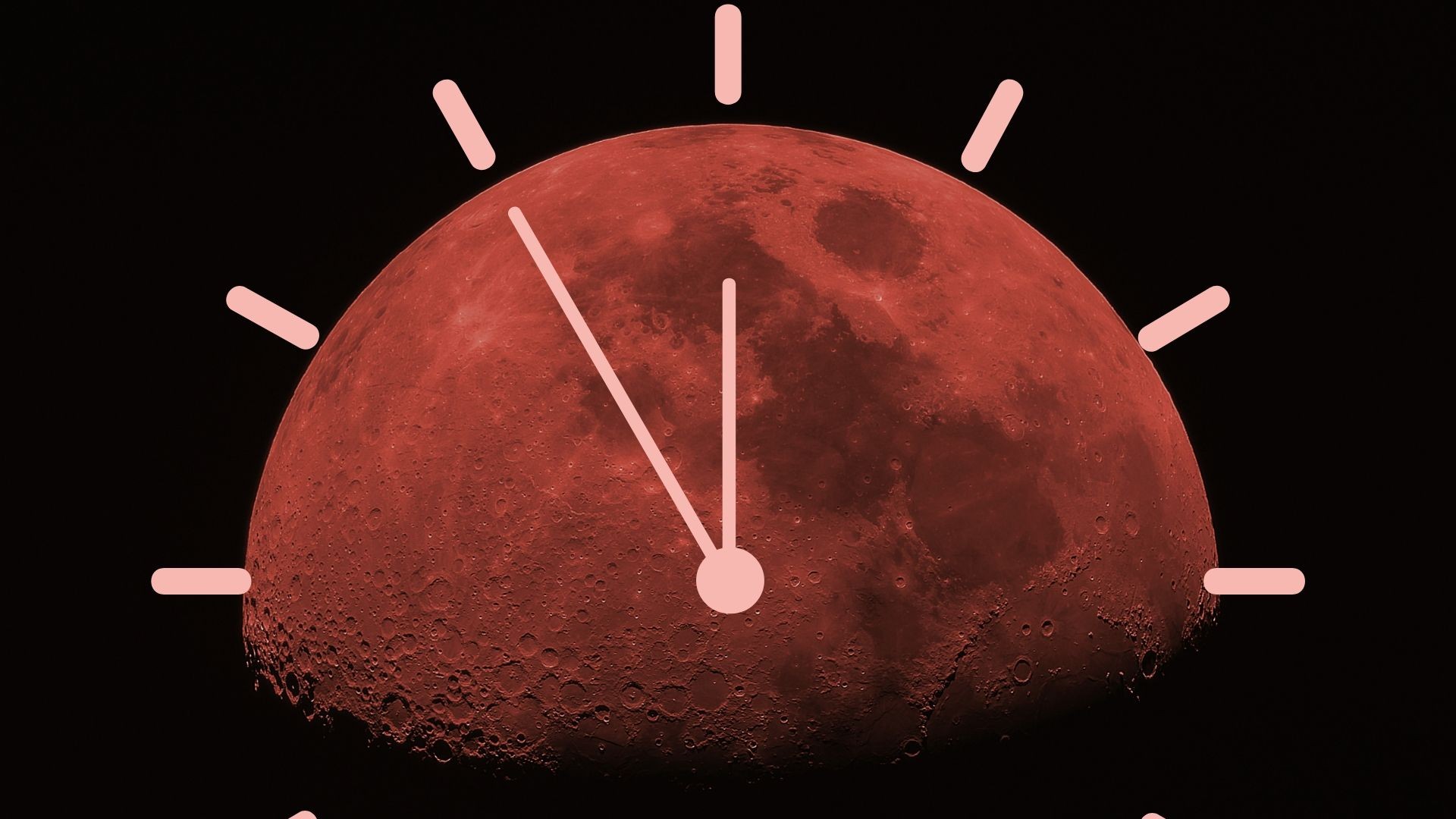
A total lunar eclipse, often called a “blood moon” due to the reddish hue the Moon takes on during totality, will be visible across much of North America, Australia, and East Asia on March 3, 2026. This eclipse will be a significant event for skywatchers, as it marks the last total lunar eclipse for several years – the next one won’t occur until New Year’s Eve 2028-2029.
What is a Lunar Eclipse?
A lunar eclipse happens when Earth passes between the Sun and Moon, casting a shadow on the lunar surface. When the Moon is fully within Earth’s umbral shadow (the darkest part), it turns a deep red because sunlight is refracted through Earth’s atmosphere. This creates a dramatic and visually striking effect.
Key Viewing Times by Time Zone
The eclipse will begin with a subtle dimming as the Moon enters Earth’s penumbral shadow, but the most spectacular phase is the total eclipse. Here are the key times to watch across major time zones:
- Eastern Time: 6:04–7:02 a.m. EST (March 3, 2026) – note that the Moon will set during totality in this zone.
- Central Time: 5:04–6:02 a.m. CST (March 3, 2026)
- Mountain Time: 4:04–5:02 a.m. MST (March 3, 2026)
- Pacific Time: 3:04–4:02 a.m. PST (March 3, 2026)
- Sydney, Australia: 10:04–11:02 p.m. AEDT (March 3, 2026)
- Tokyo: 8:04–9:02 p.m. JST (March 3, 2026)
The total phase of the eclipse will last approximately 58 minutes, with the entire event lasting nearly five and a half hours. Over three billion people – roughly 40% of the world’s population – will have at least partial visibility.
How to Watch
If you are in a region where the eclipse is visible, no special equipment is needed to view it. Simply go outside and look up! However, if you cannot see it in person, Space.com will be livestreaming the event, and live updates will be available in their eclipse blog.
The next opportunity to see a total lunar eclipse of this magnitude will not come around for nearly seven years, making this event particularly noteworthy for astronomers and casual observers alike.