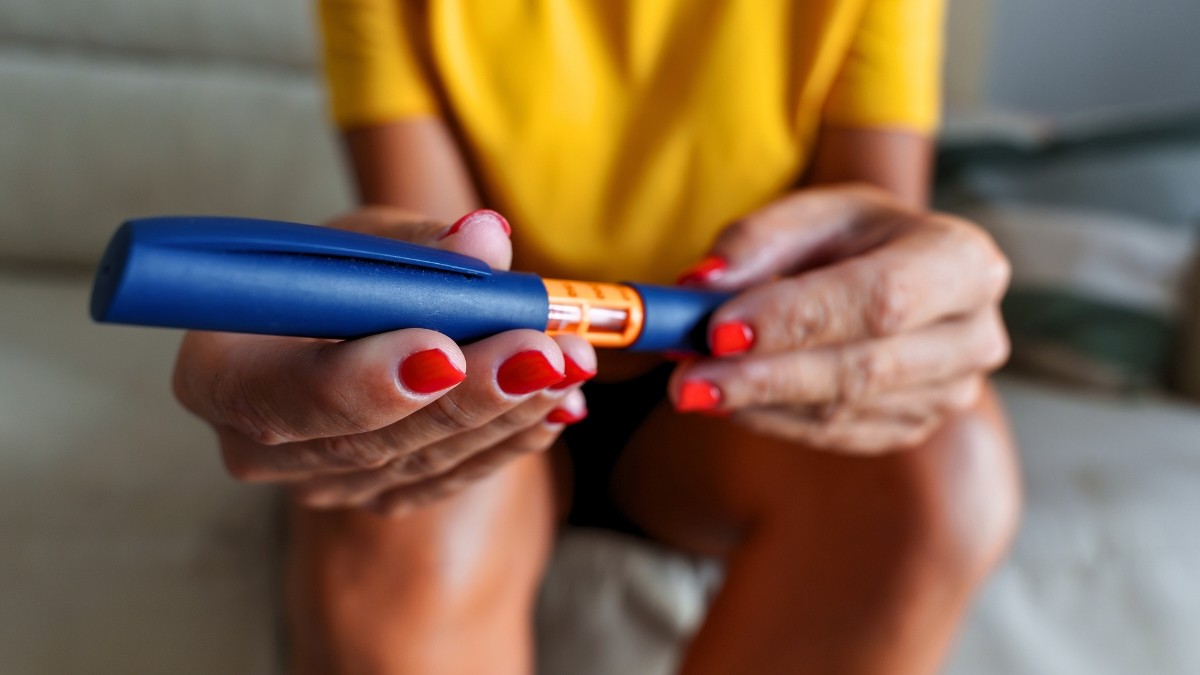
New research confirms that while drugs like Ozempic and Wegovy can induce significant weight loss, most patients regain a substantial portion of it after stopping treatment. A recent analysis of multiple studies reveals that, on average, individuals keep off roughly 25% of lost weight one year after cessation – but the composition of what’s retained remains a critical unknown.
The Muscle vs. Fat Dilemma
The core concern isn’t just how much weight returns, but what kind. Emerging evidence suggests that 40-60% of initial weight loss from semaglutide, tirzepatide, and similar drugs may be lean muscle mass. This is vital because regaining weight as disproportionately fat can worsen overall health outcomes, even compared to pre-treatment conditions.
This means that when patients stop the medication, they may lose the benefits of fat reduction while losing muscle mass. If this muscle isn’t recovered through exercise, their metabolism could slow down, making future weight management harder.
How Much Do You Really Keep Off?
The study, conducted by researchers at the University of Cambridge, analyzed 48 studies before narrowing the scope to six high-quality trials involving over 3,200 participants. They found that weight regain accelerates initially before slowing down over time. After a year off the drugs, patients typically regain around 60% of their lost weight.
The researchers predict that this regain will plateau around 75% of the original weight loss. The exact reason for this plateau is unclear; it could be due to habit changes induced by the medication, or long-term hormonal shifts. But the fact remains that these drugs don’t guarantee sustained results on their own.
The Problem with Stopping
GLP-1 drugs, including Ozempic and Wegovy, work by mimicking a natural hormone that controls appetite and blood sugar. When patients stop taking them, the effect wanes. Roughly half of patients discontinue use within the first year due to side effects, cost, or prescription challenges.
The challenge isn’t just the regain, but also the lack of long-term data. Many studies tracking weight loss after stopping treatment are short-term, making it difficult to assess the full picture. The limited research highlights a critical gap in understanding how these drugs affect metabolism over years, not just weeks.
What Can Be Done?
The study’s authors recommend a multi-pronged approach:
- Tapering medication: Gradual dose reduction may help preserve some fat loss.
- Lifestyle changes: Diet and exercise are essential for long-term maintenance. Relying solely on drugs without addressing underlying habits is unlikely to work.
- Better research: More comprehensive studies are needed to understand the long-term effects of these drugs, including how muscle mass recovers after treatment.
“It’s crucial that people receive guidance on improving their diet and exercise,” concludes researcher Steven Luo. “Drugs alone are not a sustainable solution.”
The takeaway is clear: while GLP-1 drugs can be effective for weight loss, they’re not a magic bullet. Sustained results require a holistic approach that prioritizes lifestyle changes alongside medication when appropriate. Without it, the pounds will almost certainly come back.