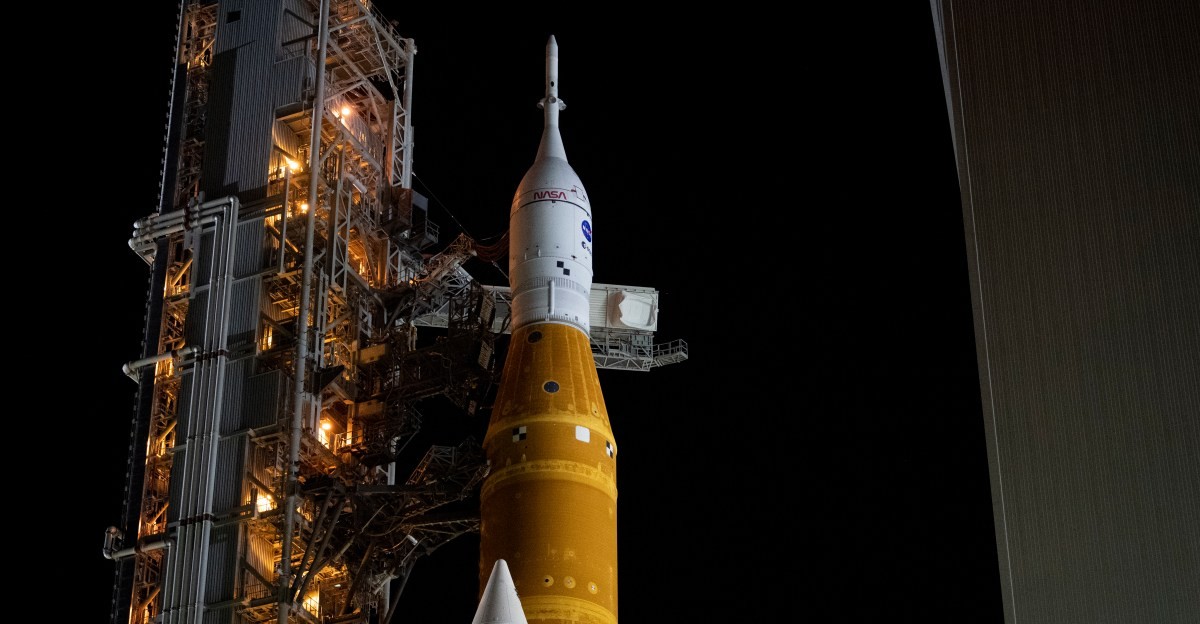
NASA has officially postponed its ambitious goal of landing astronauts on the Moon until 2028, shifting the target to the Artemis IV mission. This change, announced Friday, represents a significant recalibration of the agency’s lunar exploration timeline. The original plan for Artemis III, slated for 2027, will now serve as a preparatory test flight instead of an actual landing attempt.
Safety Concerns Drive Schedule Revision
The delay stems from critical safety assessments conducted by NASA’s Aerospace Safety Advisory Panel (ASAP). A recent report flagged unacceptable levels of risk associated with the original Artemis III mission. The ASAP warned that attempting too many unprecedented objectives within a single launch created an unsustainable level of technical, operational, and schedule pressure. This means NASA acknowledged that rushing the mission could have resulted in failure or even catastrophe.
Increased Testing and Annual Landings
To mitigate these risks, NASA is restructuring its launch cadence. This includes an additional test flight in 2027 before attempting the Artemis IV landing in 2028. The agency also aims to establish at least one crewed lunar surface landing per year thereafter. This revised approach indicates a shift from a “race to the Moon” mentality to a more methodical and sustainable long-term presence.
Artemis II Still Facing Delays
Even the Artemis II mission, designed to orbit the Moon this year, is experiencing setbacks. Recent testing has pushed its launch date back to no earlier than April. If successful, Artemis II will mark the first crewed lunar orbit since Apollo 17 in 1972. However, these delays demonstrate the inherent challenges of deep-space human exploration.
NASA’s decision underscores the importance of prioritizing safety over speed in complex space missions. The revised timeline allows for crucial testing and refinement, increasing the likelihood of a successful and sustainable return to the Moon. While the delay is significant, it reflects a responsible approach to ensuring the safety of astronauts and the long-term viability of the Artemis program.