The scientific community recently gathered in Los Angeles for the Breakthrough Prize ceremony, an event often referred to as the “Oscars of science.” This year’s awards highlighted monumental leaps in biotechnology, specifically in the field of gene therapy, which is fundamentally changing how we treat previously incurable genetic disorders.
Restoring Sight: The Luxturna Success Story
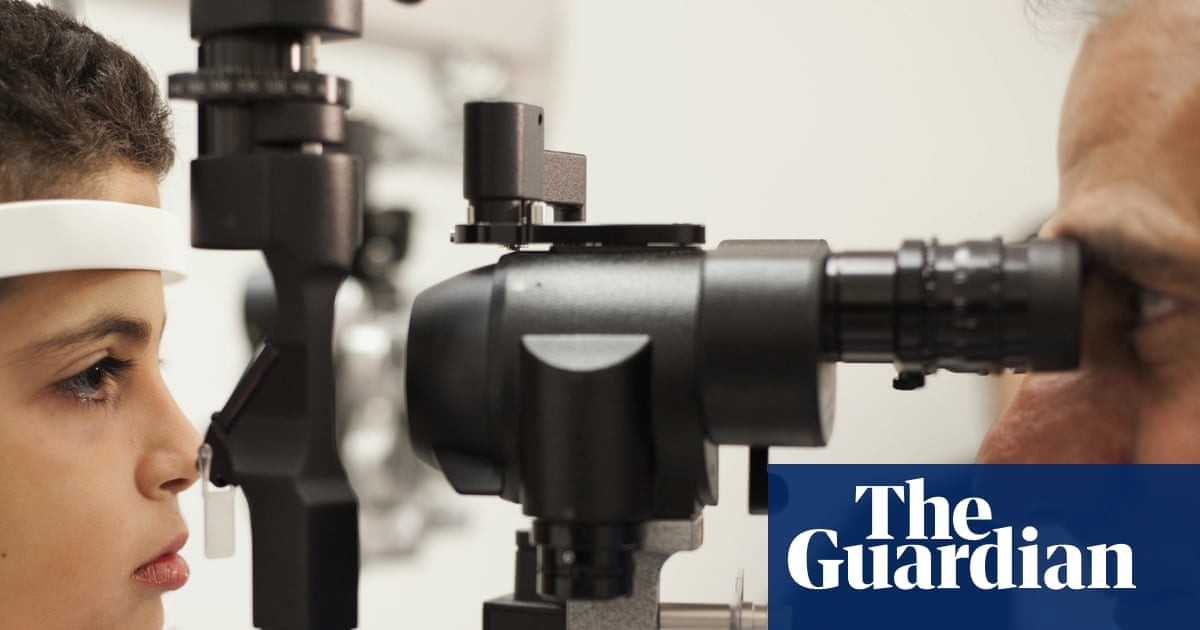
One of the most celebrated achievements of the night was awarded to molecular biologist Jean Bennett, ophthalmologist Albert Maguire, and physician Katherine High. Their 25-year journey culminated in the development of Luxturna, the first approved gene therapy for Leber congenital amaurosis (LCA).
LCA is a devastating genetic disorder that typically leads to total blindness by early adulthood. The breakthrough involved a sophisticated biological “delivery” system:
– Researchers identified a fault in the RPE65 gene.
– They developed a therapy that “smuggles” a functional version of this gene directly into the patient’s retinal cells.
– Clinical trials yielded profound results, with patients reporting the ability to see fine details—such as the grain in wood or the movement of branches—for the first time.
The personal dedication of the team was as notable as the science itself; the couple, Bennett and Maguire, even adopted two dogs, Venus and Mercury, who were among the first animals treated during their research.
Revolutionizing Blood Disorders
The prizes also honored significant progress in treating sickle cell disease and beta thalassaemia. Researchers Swee Lay Thein and Stuart Orkin were recognized for their work on the Casgevy therapy.
Their approach utilizes a clever biological workaround:
1. They identified a gene called BCL11A that prevents the body from producing healthy fetal hemoglobin in adults.
2. By “disabling” this gene, they can force the body to produce the healthy version of hemoglobin required to transport oxygen effectively.
3. This process involves editing a patient’s blood stem cells and reinfusing them into the body.
While Casgevy is a massive milestone, Orkin noted that the field is already moving toward even more “user-friendly” treatments, such as oral pills or in-body corrections, to make these life-saving therapies more accessible.
A Growing Concern for the Scientific Infrastructure
Despite the celebratory atmosphere, several laureates expressed profound concern regarding the political landscape affecting scientific research in the United States.
Both Bennett and Orkin warned that recent political shifts and attacks on academic institutions threaten to dismantle decades of rigorous research infrastructure. They raised several critical concerns:
– The “Brain Drain”: The fear that experts and researchers may flee the country due to a hostile or politicized environment.
– Undermining Expertise: The dismissal of knowledgeable advisers and the politicization of government agencies that fund essential research.
– Erosion of Progress: The risk that de-funding basic and applied research will cause long-term damage to the global scientific community.
Beyond Biology: Physics and Mathematics
The Breakthrough Prizes also recognized fundamental discoveries in other disciplines:
– Physics: Honored research into the forces holding atomic nuclei together and the multi-decade study of muons (heavy particles related to electrons).
– Mathematics: Awarded for work on nonlinear evolution equations, which are essential for understanding how complex systems change over time.
Conclusion: While the Breakthrough Prizes celebrate extraordinary human achievements in curing blindness and blood diseases, they also serve as a stark reminder of the fragility of the scientific ecosystem and the need to protect the institutions that make such miracles possible.