Archaeologists have uncovered evidence that the Paleo-Inuit people, some of the earliest inhabitants of the Arctic, were making daring open-water voyages to remote Greenland islands as early as 4,500 years ago. The discovery challenges prior assumptions about early Arctic movement patterns and highlights the sophisticated seafaring skills of these prehistoric communities.
The Kitsissut Islands: A Vital Arctic Hub
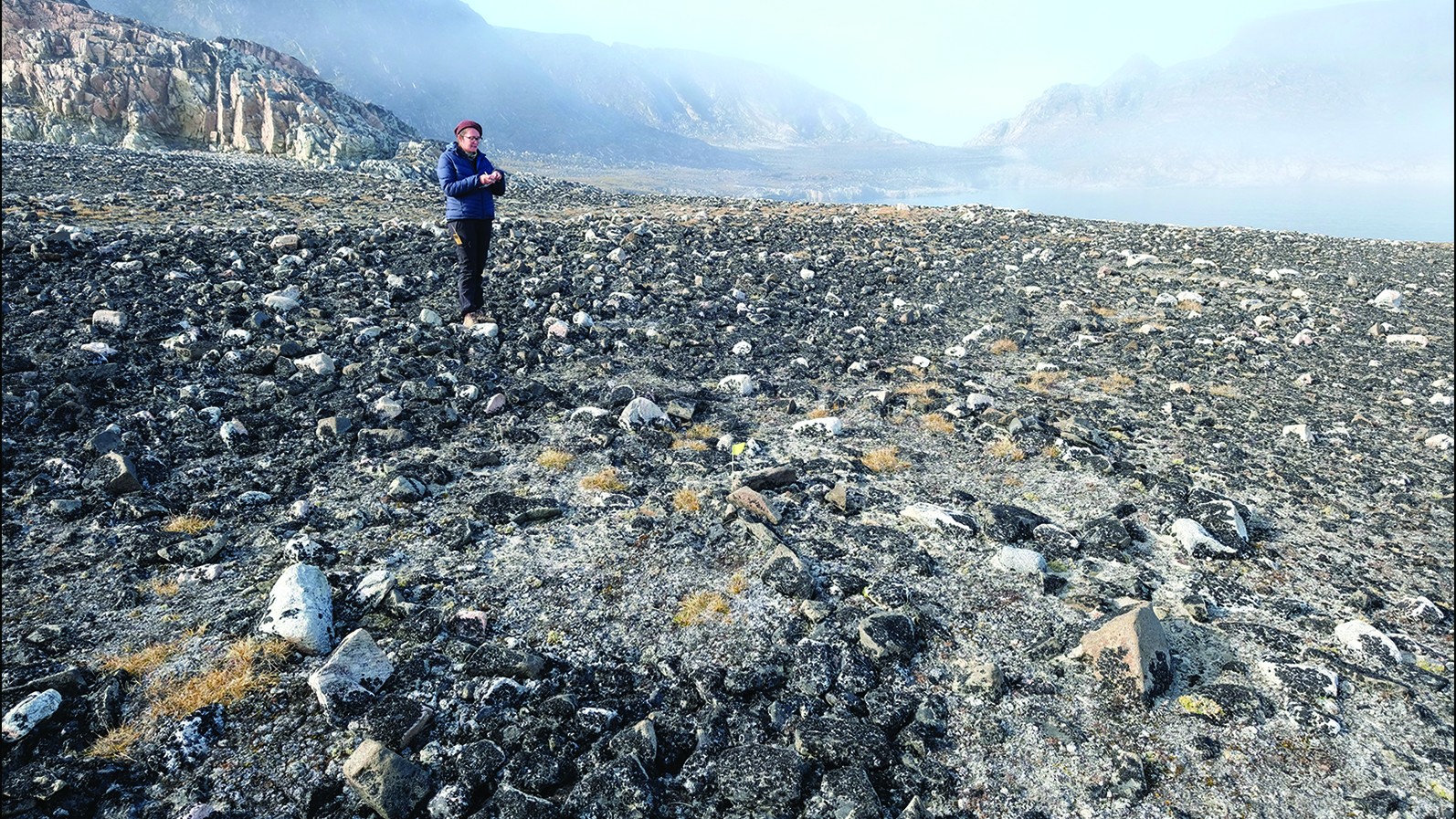
The settlements are located on the Kitsissut islands (also known as the Carey Islands), a small cluster off Greenland’s northwest coast. These islands sit within a polynya —an area of open water surrounded by sea ice—which provides access to critical marine resources. Contemporary Inuit communities still use Kitsissut for seabird hunting, prompting researchers to investigate its prehistoric significance.
Archaeological Findings Confirm Repeated Journeys
A recent survey identified nearly 300 archaeological features across three of the islands, with a notable concentration of 15 Paleo-Inuit dwellings on Isbjørne Island. These dwellings, marked by stone rings indicating tent foundations with central hearths, date back to between 4,000 and 4,475 years ago, based on animal bone analysis. This suggests a sustained and deliberate pattern of repeated travel between the mainland and the islands.
As archaeologist Matthew Walls of the University of Calgary explains, “This isn’t just a one-off visit…it was a place of return.” The high concentration of dwellings rules out accidental drift; these were planned expeditions.
Navigating Treacherous Waters
The journey from Greenland’s mainland to Kitsissut covers at least 33 miles (53 kilometers) across open sea known for erratic winds, dense fog, and strong currents. Such a trip in a traditional wood-framed, skin-covered boat would have taken roughly 12 hours, making it exceptionally risky. The timing suggests these voyages occurred during the brief Arctic summer when conditions were marginally more favorable.
Resource Driven Exploration
The primary driver for these risky journeys appears to be access to thick-billed murre seabirds and their eggs, found in massive colonies on the islands’ cliffs. The location of the dwellings directly beneath nesting sites, coupled with abundant murre bones, confirms this. The scale of the settlements suggests community-level expeditions rather than isolated hunting parties.
Rethinking Arctic Migration Patterns
The discovery reframes how archaeologists understand early Arctic movement. Previously, the region was seen as a corridor for migration between Canada and Greenland. However, Kitsissut demonstrates that these early people also developed targeted, resource-driven exploration of the Arctic environment. The islands were not just a passage through, but a place of innovation in maritime adaptation.
“Archaeologists have tended to think about the area as a crossroads…But Kitsissut is better framed as a place of innovation.” – Matthew Walls
The Paleo-Inuit’s ability to navigate these frigid waters with such consistency underscores their deep commitment to a maritime lifestyle and their mastery of watercraft technology. This finding adds a new layer of complexity to the story of early human resilience in the face of extreme environmental challenges.