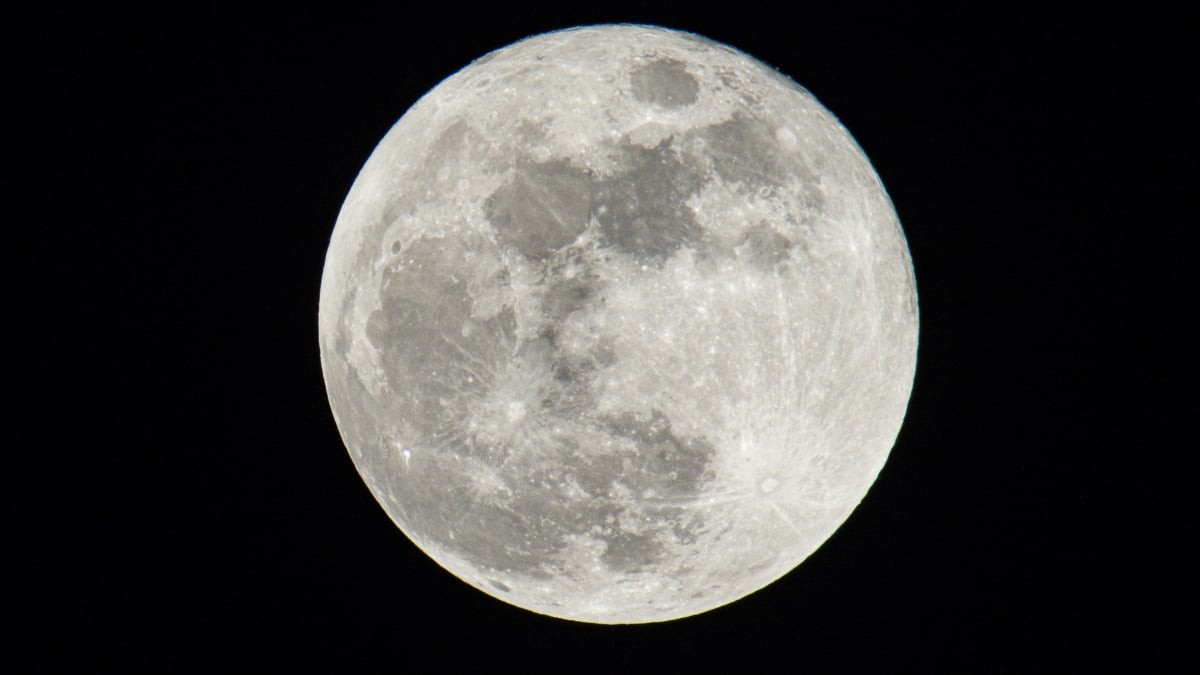
The full moon in April 2026 will peak on April 1st for North American observers, appearing at roughly 9:11 p.m. ET. While often called the “Pink Moon,” this name doesn’t signify a change in the moon’s color; instead, it references the blooming of spring wildflowers that traditionally mark the season’s arrival.
What is the Pink Moon?
The term “Pink Moon” originates from Native American traditions and refers to the flowering of wild ground phlox – a pink wildflower – during this time. It’s a cultural marker of springtime rather than an astronomical phenomenon. The moon itself will appear as its usual silvery-white hue, but the name is a reminder that warmer weather is here.
Understanding Lunar Phases
The full moon is just one stage in the Moon’s 29.5-day cycle around Earth. The Moon doesn’t change shape, but the amount of its sunlit surface visible from Earth does, creating distinct phases:
- New Moon: Invisible to us, as the sunlit side faces away from Earth.
- Waxing Crescent: A sliver of light appearing on the right side.
- First Quarter: Half of the Moon illuminated on the right.
- Waxing Gibbous: More than half lit, but not yet full.
- Full Moon: The entire face visible, appearing bright and round.
- Waning Gibbous: Light begins to fade from the right side.
- Third Quarter (Last Quarter): Half lit on the left side.
- Waning Crescent: A thin sliver on the left before disappearing into the New Moon phase again.
The cycle repeats as the Earth, Moon, and Sun align, giving us predictable phases that have been tracked for centuries.
Next Full Moon
The next full moon is expected on May 1st in North America (May 2nd in other time zones). The lunar calendar provides a constant rhythm of celestial events, useful for tracking time and understanding the natural world.
Observing the Moon’s phases is a simple way to connect with the broader universe and appreciate the predictable motions of our solar system.