This week’s scientific advancements span from the potential discovery of life-linked molecules on Mars to promising new treatments for human ailments like Alzheimer’s and sleep apnea. Researchers are also questioning long-held assumptions about the Milky Way’s core, suggesting it may not harbor a black hole at all. Here’s a breakdown of the key findings:
Mystery Molecules on Mars Point to Possible Life
NASA-led research has revealed that organic molecules found on Mars cannot be easily explained by non-biological processes. Scientists exhaustively considered every known abiotic mechanism—including meteorites, atmospheric fallout, and hydrothermal activity—but none could account for the observed abundance of these compounds.
This doesn’t prove life exists (or existed) on Mars, but it raises the possibility that biological activity may be involved. The study suggests that current models of Martian geochemistry may be incomplete. This is significant because if the molecules are biogenic, it would revolutionize our understanding of life’s potential beyond Earth.
Alzheimer’s Memory Loss Tied to Faulty Brain “Replay”
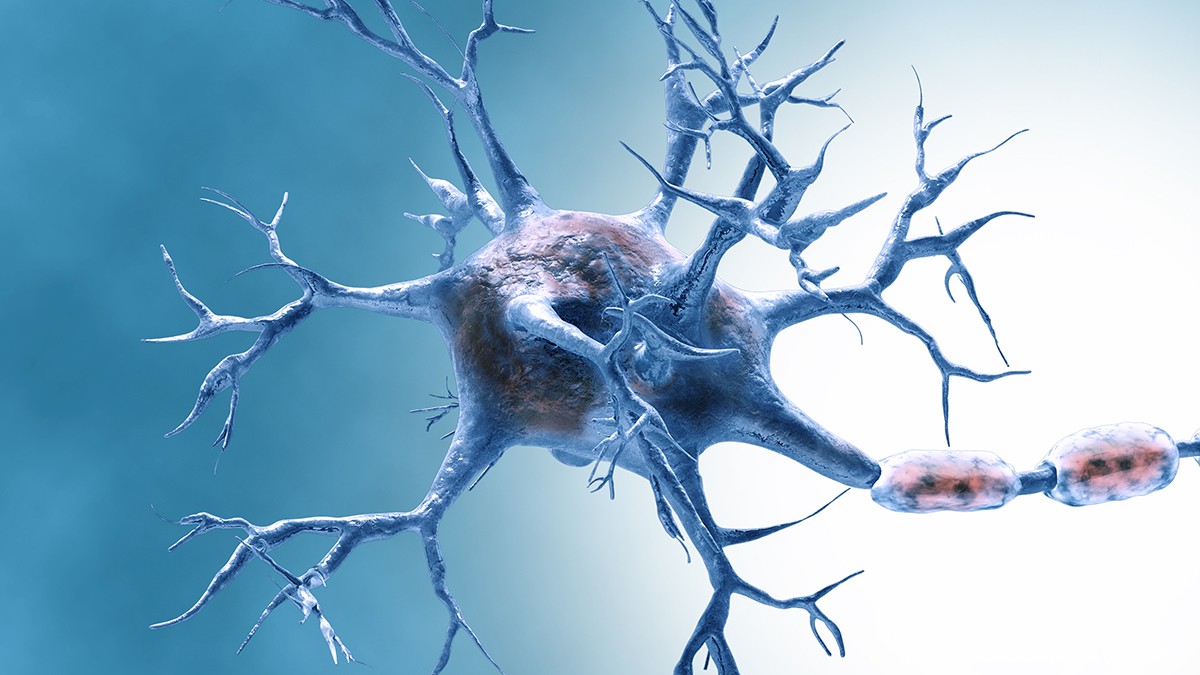
New research on mice indicates that Alzheimer’s disease disrupts the brain’s ability to consolidate memories by corrupting its natural “replay” process. The brain doesn’t simply stop trying to remember; rather, the very mechanism of memory formation is broken.
Neuroscientist Caswell Barry explains that “replay events still occur – but they’ve lost their normal structure.” This discovery could lead to new therapeutic targets for preventing or reversing memory loss, but it also underscores how deeply Alzheimer’s interferes with basic brain functions.
Cholesterol Breakthrough: New Drug Cuts “Remnant” Levels
A clinical trial shows that the compound TLC-2716 can reduce remnant blood cholesterol by up to 61%. This is a major step forward, as remnant cholesterol is a particularly dangerous form linked to heart disease.
Researchers report the drug was safe and well-tolerated, with the added benefit of being an oral medication. This accessibility makes it more practical for widespread use compared to other lipid-lowering therapies.
Reversing Brain Aging: A Protein Holds Promise
Scientists have identified a protein, DMTF1, that reverses brain aging in lab tests. Increasing DMTF1 levels encouraged the growth of neural stem cells, restoring neuron production to levels seen in younger brains.
The protein is naturally more abundant in healthier brains, suggesting a potential therapeutic avenue for age-related cognitive decline. This could eventually lead to interventions that mitigate the effects of aging on brain function.
The Milky Way’s Dark Secret: No Black Hole?
A new model challenges the long-held belief that a supermassive black hole resides at the heart of the Milky Way. Astrophysicist Carlos Argüelles proposes that the galactic core may instead be a massive blob of fermionic dark matter.
This radical idea suggests the central object and the galaxy’s dark matter halo are two parts of the same continuous substance. If true, it would rewrite our understanding of galactic structures and dark matter’s behavior.
Sleep Apnea Treatment Achieves 93% Success Rate
An experimental implantable electrode has demonstrated a 93% success rate in treating sleep apnea. The 90-minute ultrasound-guided procedure opens airways in patients previously ineligible for conventional surgery.
This breakthrough offers a viable solution for severe cases of sleep apnea, a condition affecting millions worldwide, with minimal discomfort and high efficacy.
These diverse scientific advances demonstrate that cutting-edge research is pushing the boundaries of human knowledge across multiple disciplines. From probing the mysteries of Mars to tackling the complexities of brain aging, this week’s breakthroughs offer a glimpse into the future of science and medicine.