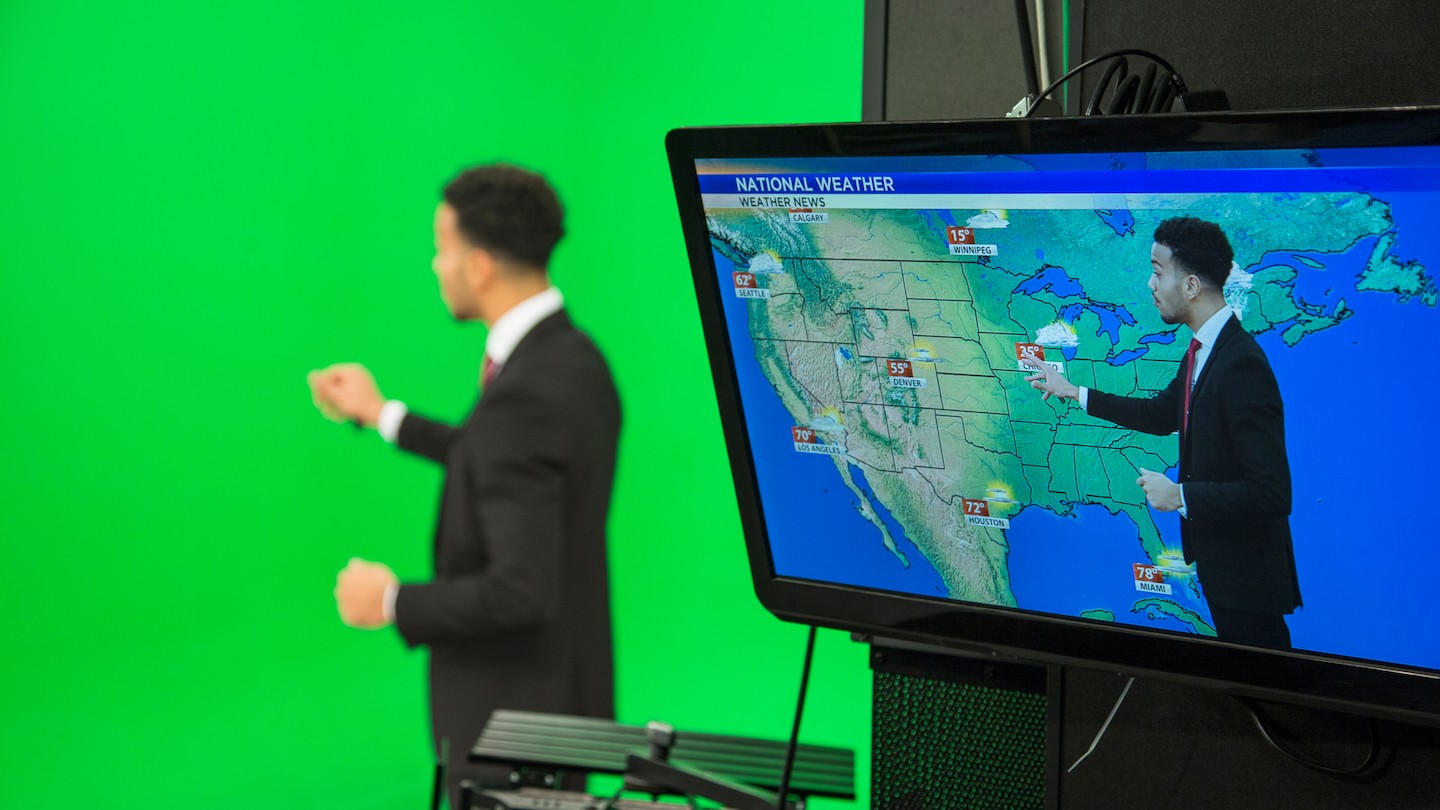
Weather and climate are often confused, but they represent different scales of atmospheric behavior. Weather describes short-term conditions – today’s temperature, whether it’s raining, or if a blizzard is hitting. Climate, conversely, defines long-term patterns; the typical weather conditions expected in a region over decades or centuries.
Core Concepts and Definitions
To understand these systems, several key terms must be defined:
- Average: The arithmetic mean of a set of numbers, crucial for calculating trends in weather data.
- Data: Raw facts and statistics gathered for analysis. Modern data is often binary code stored digitally.
- Dynamic: Refers to actively changing conditions. Weather systems are highly dynamic.
- Constant: Steady, unchanging, something weather rarely is.
- Database: An organized collection of data, such as temperature records, used for climate studies.
Extreme Weather Events
Some weather events are particularly notable:
- Blizzard: A severe snowstorm with sustained winds over 35 mph lasting at least three hours.
- Hurricane/Typhoon: A tropical cyclone with winds exceeding 74 mph; hurricanes occur in the Atlantic, typhoons in the Pacific.
- Tornado: A violently rotating air column connecting a thunderstorm to the ground.
Long-Term Climate Patterns
Climate isn’t just about averages; it also encompasses extreme shifts. Ice ages represent prolonged periods of intense cold, with glaciers expanding over centuries. Earth has experienced at least five major ice ages, the most recent peaking around 21,500 years ago.
Tools and Agencies for Monitoring
Modern weather and climate monitoring relies on advanced technology:
- Radar: Uses radio waves to detect precipitation, map land, and track moving objects.
- Satellite: Provides a broad view of weather systems from space.
- National Oceanic and Atmospheric Administration (NOAA): A U.S. science agency established in 1807, focused on ocean resources, climate study, and atmospheric monitoring.
- National Weather Service: NOAA’s agency responsible for collecting data, issuing forecasts, and warning against severe weather threats.
- Meteorologist: Scientists who study weather and climate events.
The Role of the Internet
The internet has become a vital tool for accessing weather information. Real-time data, forecasts, and warnings are now available online, allowing for quick dissemination of critical information.
The Sun’s Impact
Weather on Earth is influenced by the Sun, the closest star to our planet. The Sun’s energy drives atmospheric processes and long-term climate trends.
Ultimately, understanding weather and climate requires a synthesis of data, technology, and scientific expertise. Accurate monitoring and analysis are crucial for preparing for extreme events and managing the long-term impacts of climate change.
In short, while weather is what you get, climate is what you expect. Both are interconnected, and both are essential to understanding our planet’s complex atmospheric systems.