Archaeological research confirms that Indigenous people in what is now the western United States invented dice and games of chance at least 12,000 years ago – millennia before any known evidence of dice in the Old World. This discovery challenges traditional understandings of where and how early humans first engaged with probability and structured games of chance.
The Earliest Evidence of Gambling
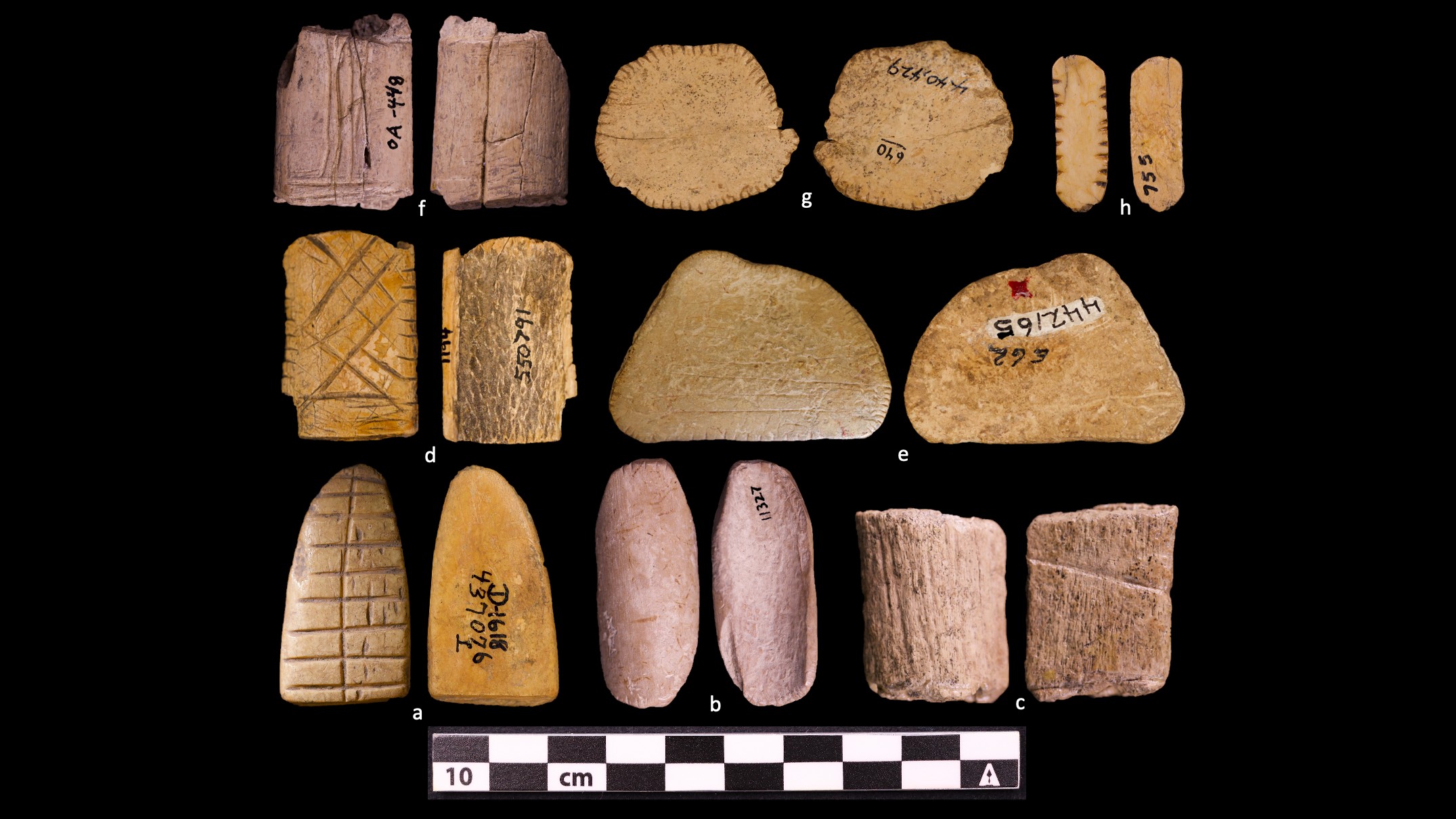
The study, published in American Antiquity, analyzed over 600 dice sets from 45 archaeological sites spanning 13,000 to 450 years ago. Researchers found consistent evidence of dice across the Great Plains and Rocky Mountains, but not in the eastern U.S. until after European contact. These artifacts, often described as “binary lots” with marked and unmarked sides, functioned similarly to coin flips, allowing for complex mathematical outcomes when multiple lots were tossed.
Social Technology, Not Just Chance
This wasn’t about modern gambling. Evidence suggests these games served a critical social function, primarily among women. The dice likely facilitated interaction between strangers, aiding in the exchange of goods, information, or even potential mates. The practice emerged in highly mobile societies where forming trust with unfamiliar individuals was essential for trade and survival.
“It’s a kind of leveling device that you see in a lot of cultures with egalitarian social structures,” says archaeologist Robert Madden.
Deep Roots in Hunter-Gatherer Culture
The oldest dice discovered date back to the Folsom culture (circa 12,900 years ago), known for its distinctive stone tools. These hunter-gatherers valued exotic materials like flint and chalcedony, traveling great distances to obtain them. Dice games may have been a way to mediate trade for these resources, as the stakes were often trade items like hides or gemstones.
A Predated History of Probability
The findings indicate that the understanding of chance and probability didn’t originate in Mesopotamia or the Indus Valley, as previously believed. Instead, Native American societies developed these concepts thousands of years earlier in the Late Pleistocene. This suggests that the intellectual accomplishment of conceptualizing randomness may have first emerged in the New World.
In conclusion, this research demonstrates that the foundations of gambling and the understanding of probability have deeper, more complex roots than previously understood, originating with Indigenous people in North America long before any other known civilization. The use of dice wasn’t just a game; it was a sophisticated social tool that shaped interactions and trade in a world where trust was hard-won.