

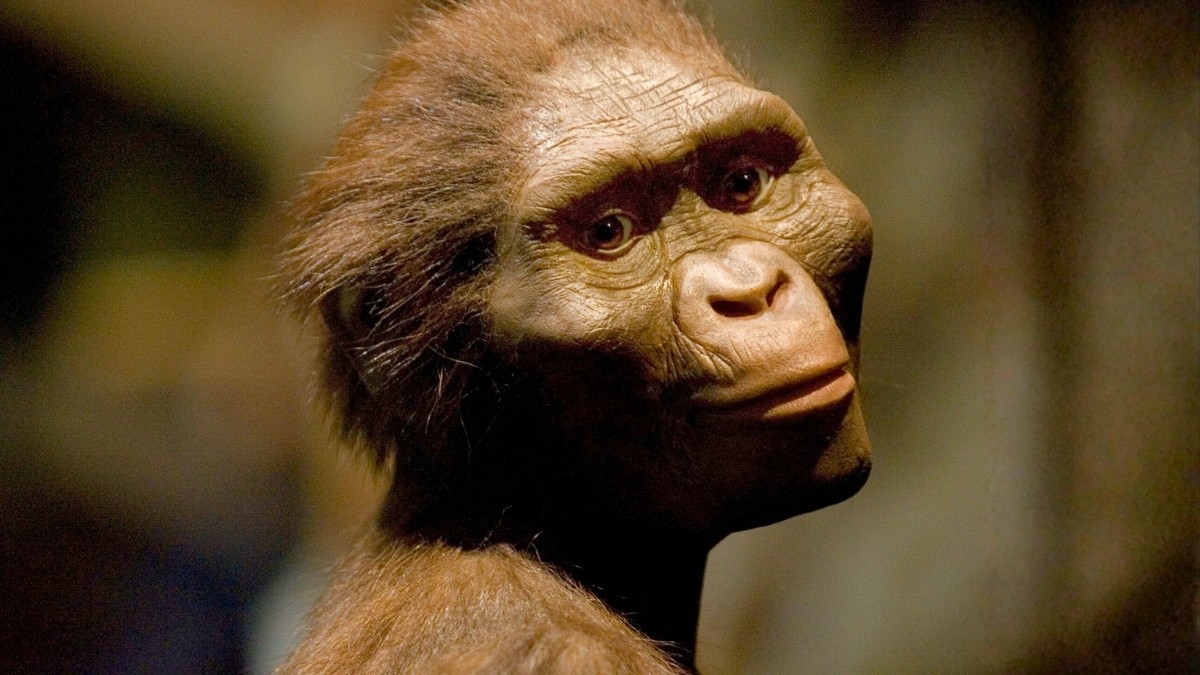
New fossil evidence from Ethiopia confirms that multiple species of early human ancestors coexisted much earlier than previously thought. Remains of Australopithecus deyiremeda and the famed “Lucy” (Australopithecus afarensis ) were found within 5 kilometers of each other, dating back 3.3 to 3.4 million years. This discovery challenges the long-held assumption of a linear progression in hominin evolution, suggesting that the early human family tree was far more diverse and overlapping than scientists once believed.
A Tale of Two Ancestors
The findings, led by Arizona State University paleoanthropologist Yohannes Haile-Selassie, reveal significant differences in lifestyle between these two species. While Lucy is celebrated for her bipedalism and potential role in human evolution, A. deyiremeda appears to have been a more adept tree climber. Foot bones discovered in 2009 show a greater range of motion in the big toe, making it opposable – similar to human thumbs. This adaptation suggests A. deyiremeda retained strong arboreal capabilities, exploiting tree-based resources effectively.
Different Strokes for Different Folks
Interestingly, both species were also capable of walking on two legs. The foot bones of A. deyiremeda exhibit hyperflexion, a trait that allows for efficient pushing off from the ground during bipedal movement. This indicates that while A. afarensis was developing a more terrestrial lifestyle, A. deyiremeda maintained a blend of tree climbing and walking, possibly to avoid direct competition for resources.
Dietary Divide: A Key to Coexistence
Isotope analysis of fossilized teeth supports the idea that these early humans occupied different ecological niches. Lucy’s species consumed a more varied diet, including plants adapted to drier, hotter climates, shifting towards C4 plants as the landscape changed. In contrast, A. deyiremeda primarily ate C3 plants, preferring cooler, wetter conditions. This dietary specialization likely allowed both species to thrive in close proximity without significant conflict.
“The differences in diet suggest that these hominins weren’t directly competing for the same food sources, enabling them to coexist peacefully,” Haile-Selassie explains.
This discovery underscores the fact that early human evolution wasn’t a simple march towards modern humans. Instead, it was a complex process of diversification, adaptation, and coexistence among multiple hominin species. The fossils from Ethiopia offer a glimpse into a world where different branches of the human family tree lived side by side, each carving out its own niche in the African landscape.