


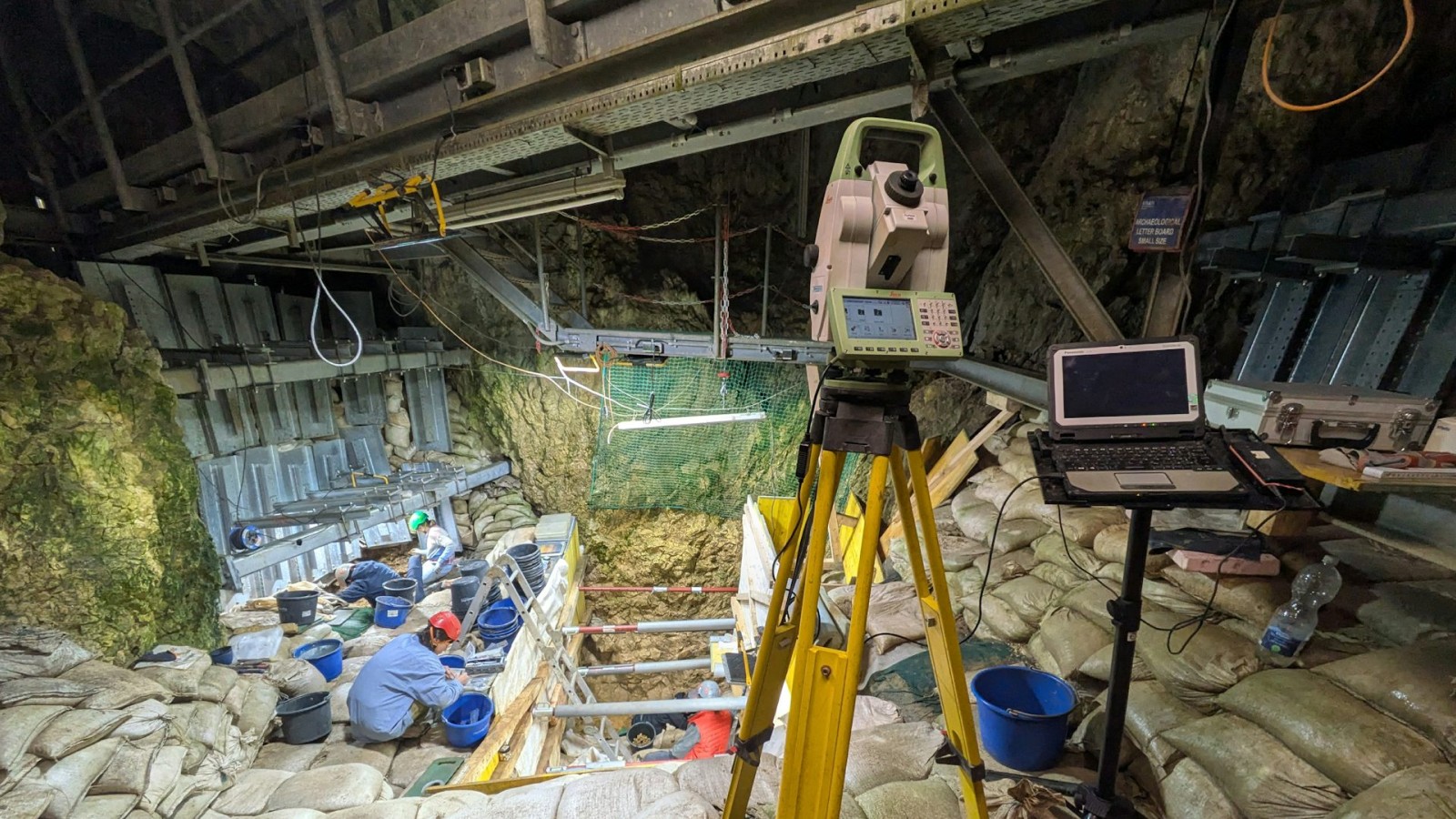
For two decades, advances in paleogenetics have reshaped our understanding of the past. Scientists can now extract and analyze DNA not just from ancient bones, but directly from cave sediments, opening a new window into the lives of early humans and Neanderthals. This technique turns caves into “biological time capsules,” preserving genetic material for tens of thousands of years.
The Rise of Paleogenetics
Initially focused on skeletal remains, paleogenetics has confirmed that interbreeding between Neanderthals and modern humans occurred—a fact once considered unlikely. Researchers have also sequenced the genomes of extinct species like mammoths and ancient strains of plague, providing insights into evolutionary history and disease origins. The key breakthrough is the ability to analyze DNA from sediments, rather than relying solely on fragmented bone samples.
How Cave Sediments Preserve the Past
Caves offer ideal conditions for DNA preservation. Over millennia, genetic material accumulates in deposits of dirt, faeces, and organic matter. This sediment acts as an archive of past life, allowing scientists to reconstruct ecosystems and track species presence over vast timescales. The oldest discovered sediment DNA dates back 2 million years from Greenland.
GACT: A Cutting-Edge Research Network
The Geogenomic Archaeology Campus Tübingen (GACT) in Germany is at the forefront of this revolution. GACT combines expertise from archaeologists, geoscientists, bioinformaticians, and ancient-DNA specialists to recover and analyze DNA from sediments. The network extends globally, with ongoing fieldwork in Serbia, South Africa, and the western United States.
The Challenges of Sediment DNA Analysis
Extracting DNA from sediment is complex. Molecules are scarce, degraded, and contaminated with modern DNA. Researchers rely on ultra-clean labs, robotic extraction, and specialized bioinformatics to identify authentic ancient DNA. This work often uncovers patterns invisible to traditional archaeological methods.
Insights from the Swabian Jura Caves
GACT’s work focuses on the caves of the Swabian Jura in Germany—UNESCO World Heritage sites containing evidence of both Neanderthals and Homo sapiens. Researchers are reconstructing human-ecosystem interactions, determining whether the two species overlapped in the same caves, and analyzing the genetic material from cave hyenas that lived 40,000 years ago.
Beyond Human Presence
Sediment DNA isn’t limited to human remains. It also detects species that left no bones or artifacts behind. Scientists are tracing ancient extinctions, ecosystem shifts, and the impact humans had on past environments. This work could provide critical insights into today’s biodiversity crisis.
The implications are clear: this new approach to studying ancient DNA provides a far more complete picture of the past.
The future of paleogenetics is ambitious. Researchers expect to recover cave bear genomes, the earliest human traces, and detailed microbial communities from sediments. Every sample processed generates new questions, promising further discoveries. The field’s prospects are exhilarating.


