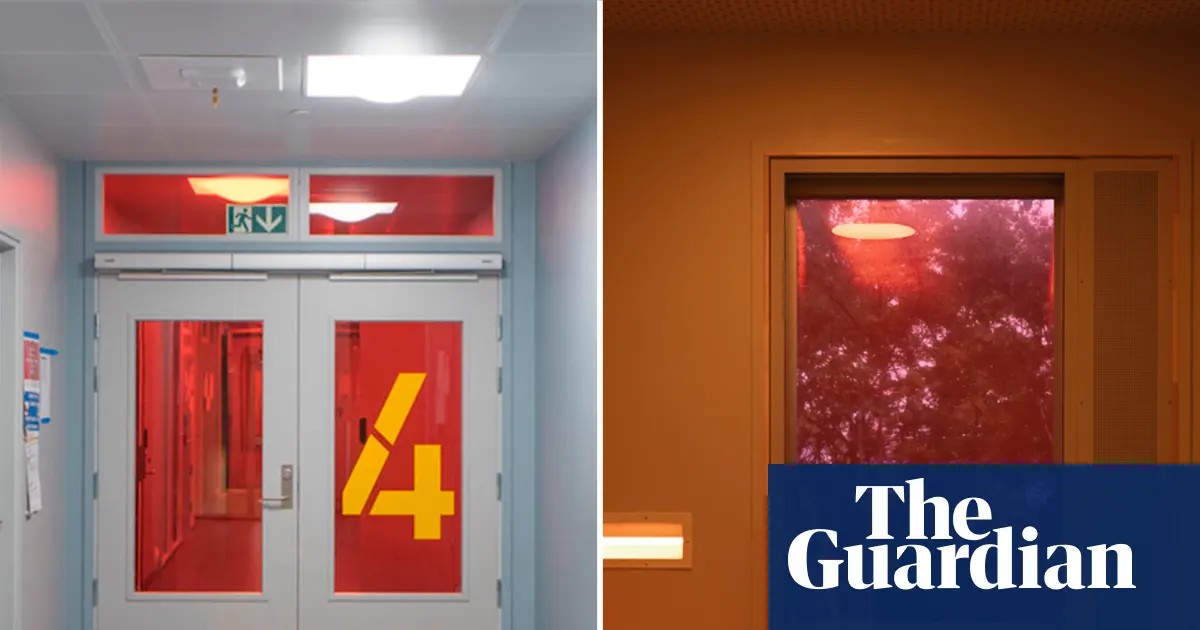
Research suggests that manipulating light exposure, specifically reducing blue wavelengths, can measurably improve outcomes for patients in acute psychiatric care. A study conducted at St Olavs hospital in Trondheim, Norway, demonstrates that adjusting ward lighting to minimize blue light in the evening leads to enhanced clinical improvement and reduced aggressive behavior among patients admitted for short-term intensive psychiatric treatment.
The Biological Basis of Light Therapy
Circadian rhythms – the body’s natural 24-hour biological clock – play a crucial role in mental health. Disruption of these rhythms is increasingly linked to conditions such as depression, bipolar disorder, cardiovascular disease, and even dementia. Light is the primary signal that regulates this clock, and exposure to blue wavelengths, particularly in the evening, can suppress melatonin production and delay sleep, destabilizing daily routines and potentially triggering mood episodes in vulnerable individuals.
The Trondheim study tackled this issue by implementing a unique ward design. One half of the unit was fitted with a dynamic lighting system and automated blinds that filtered out blue light after 6 p.m., while the other half maintained standard hospital lighting. Researchers found that patients in the circadian-adapted ward exhibited greater clinical improvement at discharge, alongside a notable reduction in aggressive behavior.
Key Findings and Implications
The study included 476 patients with conditions ranging from psychosis and mania to severe depression and suicidal thoughts. While the average length of stay remained consistent (around three to four days), patients in the blue-light environment demonstrated a statistically significant improvement in their mental state. This suggests that even a simple environmental adjustment can have a tangible impact on treatment effectiveness.
“Just by changing the light spectrum, we can improve the quality of treatment,” said Håvard Kallestad, the lead researcher. The reduction in aggression is particularly significant, given that aggressive behavior affects between 8% and 76% of acute psychiatric patients.
Scaling Up for Widespread Benefits
The implications extend beyond psychiatric wards. Researchers are now exploring whether circadian lighting can benefit individuals in care homes, potentially reducing behavioral disturbances in dementia patients. The UK’s National Institute for Health and Care Research has launched funding for trials to test this, aiming for a cost-effective, drug-free approach to improving quality of life.
Furthermore, wearable devices that track sleep and activity patterns could enable personalized light therapy treatments. Adjusting light exposure based on individual circadian rhythms—shifting rhythms forward with morning light or delaying them with evening exposure—could optimize therapeutic outcomes.
The research confirms that light influences not only the biological clock but also mood and alertness, reinforcing the importance of designing environments that align with human biology. The simplicity of implementation – requiring no active participation from patients – makes this intervention scalable and accessible.
This approach represents a shift in mental health care, moving toward proactive environmental adjustments that support natural biological processes, rather than relying solely on pharmacological interventions.