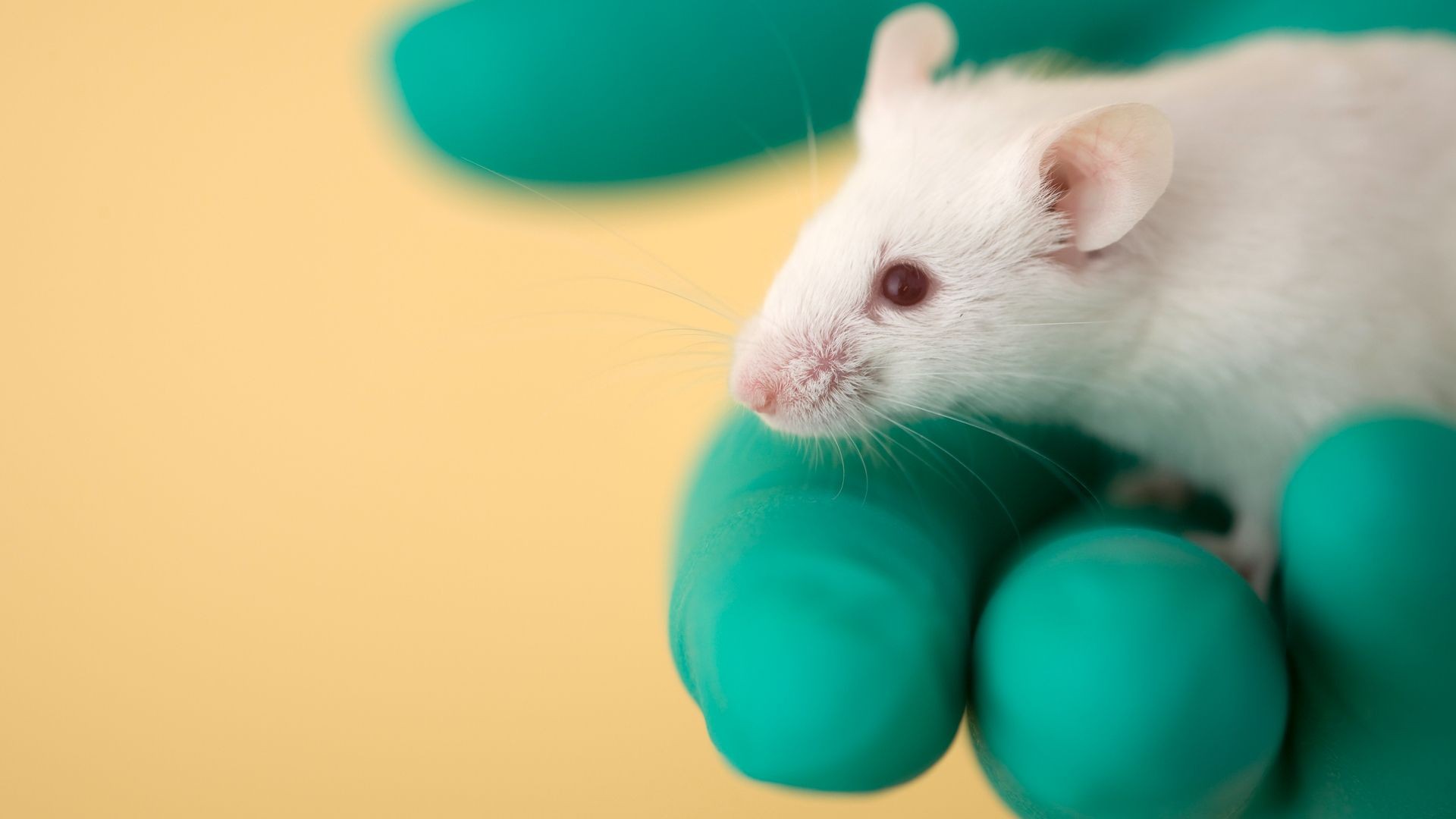
A new experimental vaccine, delivered via nasal spray, has demonstrated broad-spectrum protection against viruses, bacteria, and allergens in laboratory mice. The study, published in Science on February 19th, suggests a potential pathway toward a “universal” vaccine capable of defending against a wide range of respiratory threats.
How the Vaccine Works Differently
Traditional vaccines focus on training the adaptive immune system to recognize specific antigens—unique markers on pathogens. However, this approach is vulnerable to mutations, where the antigen changes, rendering the vaccine less effective. The new vaccine takes a different approach: it activates both the adaptive and the innate immune system.
The innate immune system is a generic, first-line defense that responds rapidly to a broad spectrum of microbes. The team behind this vaccine sought to harness this power by mimicking signals from the tuberculosis vaccine (BCG), which already triggers both types of immunity.
Key Findings in Mice
Researchers found that mice given three doses of the nasal spray (named GLA-3M-052-LS+OVA) over three weeks showed protection against:
- SARS-CoV-2 (the virus causing COVID-19) and other coronaviruses
- The bacteria Staphylococcus aureus and Acinetobacter baumannii
- An allergen from house dust mites
Vaccinated mice exhibited reduced lung inflammation, weight loss, and mortality when exposed to these threats, compared to unvaccinated mice. Notably, the primed innate immune response also accelerated the development of a targeted adaptive immune response.
Why This Matters
This research represents a shift in vaccine strategy. While highly conserved antigens can target multiple strains within a virus family, this method bypasses the need for specific antigen recognition altogether.
The implications are significant: a universal vaccine could simplify public health efforts, reduce the need for annual flu shots, and potentially offer protection against emerging pathogens before targeted vaccines are developed.
Human Trials Still Needed
The current study was conducted on mice, and further research is essential to determine safety and efficacy in humans. While the results are promising, translating them to human application will require rigorous clinical trials.
“This is a really exciting piece of research,” said Daniela Ferreira, a professor at the University of Oxford. “It could change how we protect people from common coughs, colds and other respiratory infections” if confirmed in human studies.
The road to a universal vaccine remains long, but this study provides a compelling proof-of-concept, highlighting a novel approach with the potential to revolutionize preventative medicine.