The promise of high-powered telescopes often leads beginners astray. Many assume that higher magnification automatically means sharper, more impressive views – a misconception fueled by marketing that touts “300x power” as a key feature. The truth is far more nuanced: image quality depends more on fundamental telescope properties than on simply cranking up the zoom. Chasing extreme magnification too early results in dim, blurry, and unstable views.
This guide cuts through the hype to explain how magnification really works, why aperture is critical, and how to choose eyepieces effectively.
The Illusion of “Power”
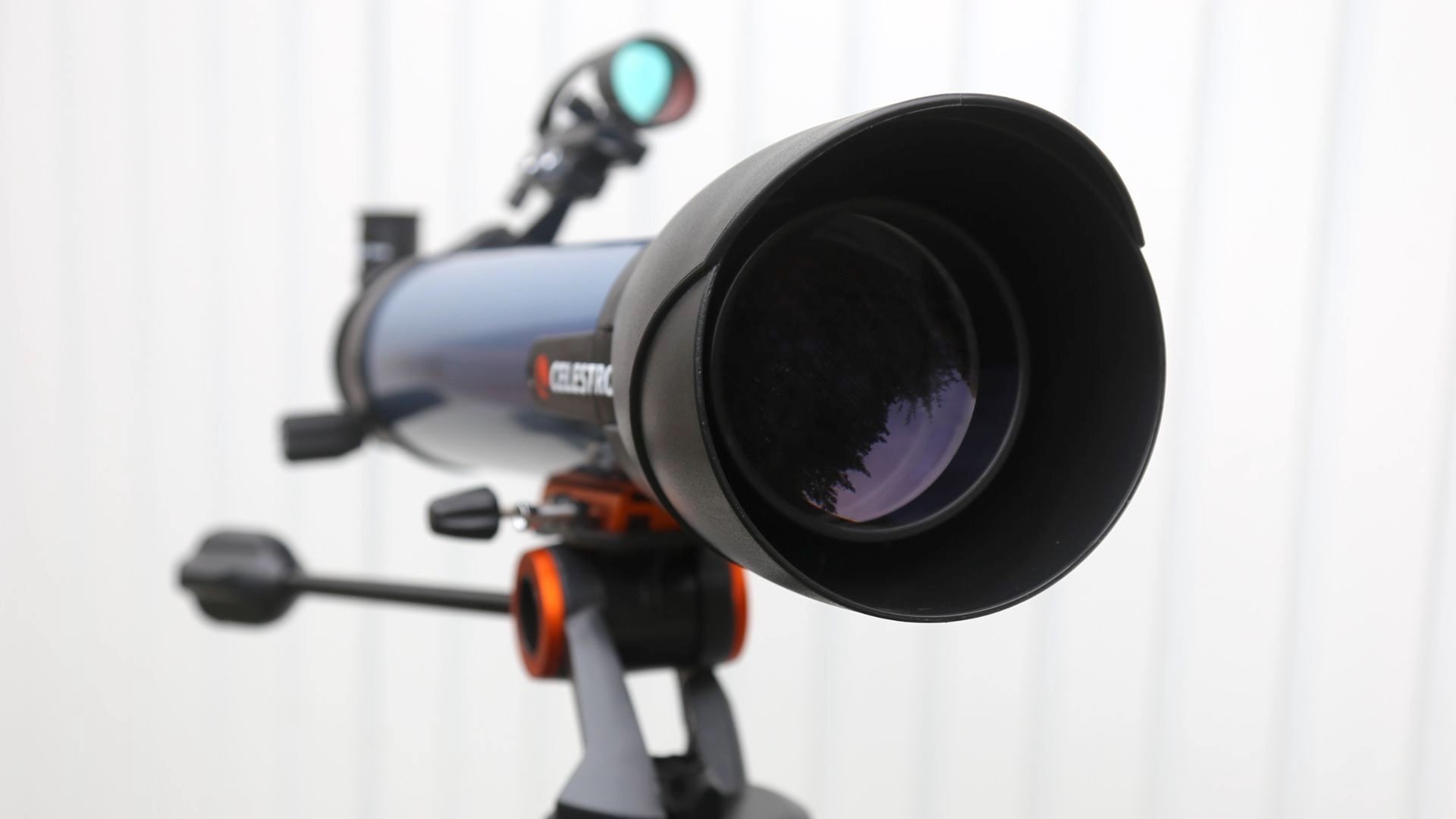
Telescope “power” isn’t a fixed number. It’s calculated by dividing the telescope’s focal length by the focal length of the eyepiece you use. A typical refractor with a 900mm focal length, paired with a 20mm eyepiece, gives 45x magnification; switch to a 10mm eyepiece, and you get 90x. The key is understanding that magnification is a tool, not an inherent quality of the telescope itself.
Why More Magnification Doesn’t Always Mean More Detail
Higher magnification diminishes image brightness. The same amount of light is spread over a larger area, making the view fainter. Atmospheric turbulence becomes more visible, resulting in blurry or shaky images. A telescope can only magnify what its optics and aperture can resolve.
According to experts, maximum useful magnification is generally twice the telescope’s aperture in millimeters (or 50 times the aperture in inches). For a 4-inch telescope, this means around 200x magnification is the practical limit. Pushing beyond this doesn’t reveal more detail; it simply enlarges a fuzzy image.
Aperture: The Real Game-Changer
While magnification affects how large an object appears, aperture determines how well you can see it. Aperture – the diameter of the telescope’s lens or mirror – dictates how much light the telescope gathers.
Larger apertures produce brighter, more detailed images and allow you to detect fainter objects like galaxies and nebulae. Experienced astronomers prioritize aperture over magnification. A physically larger telescope will deliver brighter, sharper views of dim objects. Magnification lets you zoom in; aperture decides if that zoomed-in view is worth looking at.
Understanding Eyepieces
Eyepieces determine a telescope’s magnification when attached to its focuser. Switching eyepieces is how you zoom in or out. Entry-level telescopes typically include 20/25mm and 10mm eyepieces, sometimes with a Barlow lens (which doubles magnification). These are functional but often lack quality.
- Longer focal length eyepieces (e.g., 20mm) provide wider, lower-magnification, and brighter views – ideal for finding objects.
- Shorter focal length eyepieces (e.g., 10mm) offer narrower, higher-magnification views, often dimmer.
Choosing the Right Eyepiece for the Job
There is no “best” eyepiece; the right one depends on what you want to observe.
- Planets and the Moon: Shorter focal lengths (5–10mm) provide close-up views.
- Galaxies, Clusters, Nebulae: Longer focal lengths (20mm or more) offer wider, brighter views.
Start with two or three eyepieces covering low, medium, and high magnification. The mid-range eyepiece (around 20mm) will likely be your most-used option.
Barlow Lenses: A Cost-Effective Boost
Barlow lenses effectively increase magnification by inserting between the focuser and eyepiece. A 2x Barlow doubles the power of any eyepiece.
However, quality matters. A good Barlow can effectively expand your eyepiece collection; a cheap one will amplify flaws, resulting in narrower fields of view, dimmer images, and exaggerated atmospheric distortion.
Smart Eyepiece Shopping: Dos and Don’ts
- One high-quality eyepiece is better than ten cheap ones. Avoid large sets of mediocre eyepieces.
- Don’t chase high magnification immediately. Blurry or dim views may be due to atmospheric turbulence, not the eyepiece.
- Let reflector telescopes cool down. Allow at least an hour for the optics to stabilize before observing.
- Consider eye relief. Choose eyepieces that allow comfortable viewing, especially if you wear glasses.
- Attend star parties. Try out different eyepieces before buying.
Ultimately, understanding the interplay between aperture, magnification, and eyepieces is the key to maximizing your stargazing experience. Prioritize light-gathering ability and high-quality optics over inflated magnification numbers – you will see the universe more clearly.