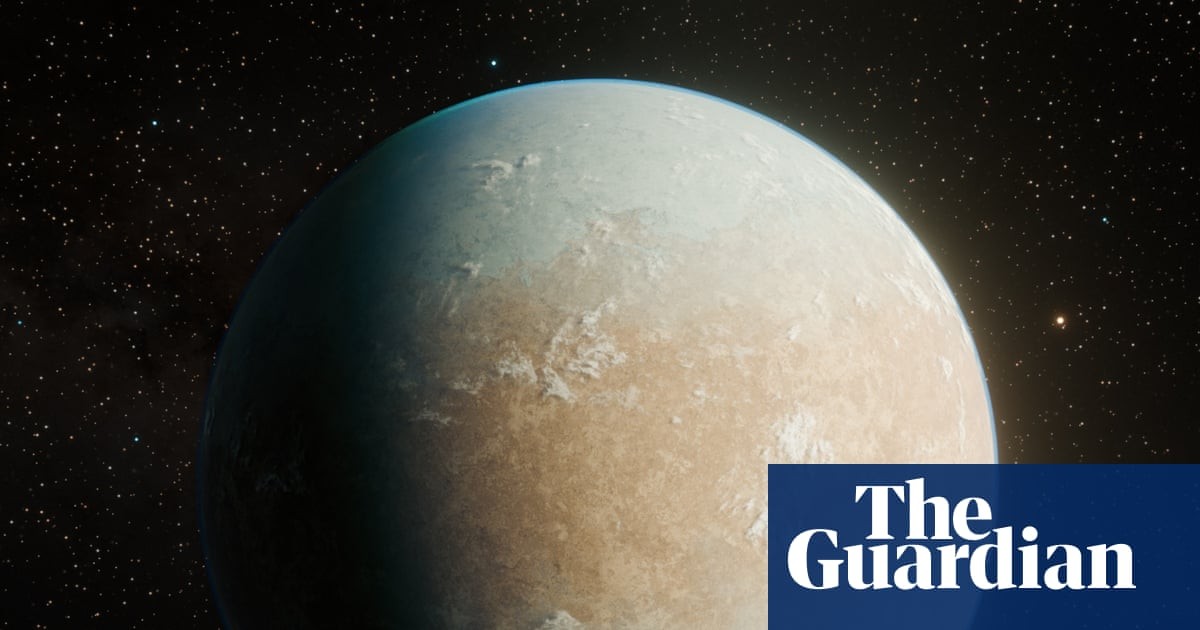
Astronomers have identified a planet, designated HD 137010 b, that closely resembles Earth in size and orbital characteristics. Located 146 light-years from our solar system, this newly discovered world orbits a sun-like star and presents a compelling target for future observation.
The Discovery: A Citizen Science Success
The planet was initially detected in 2017 using data from NASA’s Kepler space telescope. Interestingly, the faint signal indicating its presence was first spotted by a team of citizen scientists, including the study’s first author, Dr. Alexander Venner, while he was still in high school. This highlights the growing role of public participation in astronomical discoveries.
Key Characteristics and Habitable Zone Potential
HD 137010 b is estimated to be 6% larger than Earth and has an orbital period of approximately 355 days. Researchers believe there’s a 50% chance the planet resides within the habitable zone of its star, meaning liquid water could exist on its surface. This makes it a particularly exciting candidate, as it’s significantly closer and brighter than other known potentially habitable planets – Kepler-186f, for instance, is four times farther away and much fainter.
A Cold Reality: Surface Temperatures
Despite the habitable zone potential, the planet’s star is cooler and dimmer than our sun. This results in estimated surface temperatures comparable to Mars, likely falling below -70°C. It could be a “super snowball,” with a potentially icy surface and abundant frozen water. This illustrates that ‘habitable’ does not automatically mean ‘warm’ or ‘Earth-like’.
Future Observations and Confirmation
The star’s brightness and proximity make HD 137010 b an ideal target for next-generation telescopes. The team is confident it will be among the first exoplanets studied in detail when advanced technology becomes available. However, scientists caution that a single transit detection is not enough for confirmation; typically, three observations are required to classify an exoplanet definitively.
“This discovery is very exciting, but further results are needed to confirm it as a genuine exoplanet.” – Dr. Sara Webb, Swinburne University astrophysicist.
Despite the vast distances involved—travel would take tens or hundreds of thousands of years with current technology—HD 137010 b represents a significant step toward understanding the prevalence of Earth-like worlds beyond our solar system. The research underscores the importance of continued exoplanet exploration and the potential for groundbreaking discoveries.