A new study published in Nature Communications reveals that the genetic and cellular mechanisms behind limb regeneration are surprisingly conserved across diverse vertebrate species—including ancient fish and modern salamanders. This discovery sheds light on the evolutionary history of regeneration, suggesting the ability to regrow lost body parts is an ancient trait that has been lost or diminished in many lineages, including humans.
Evolutionary Origins of Regeneration
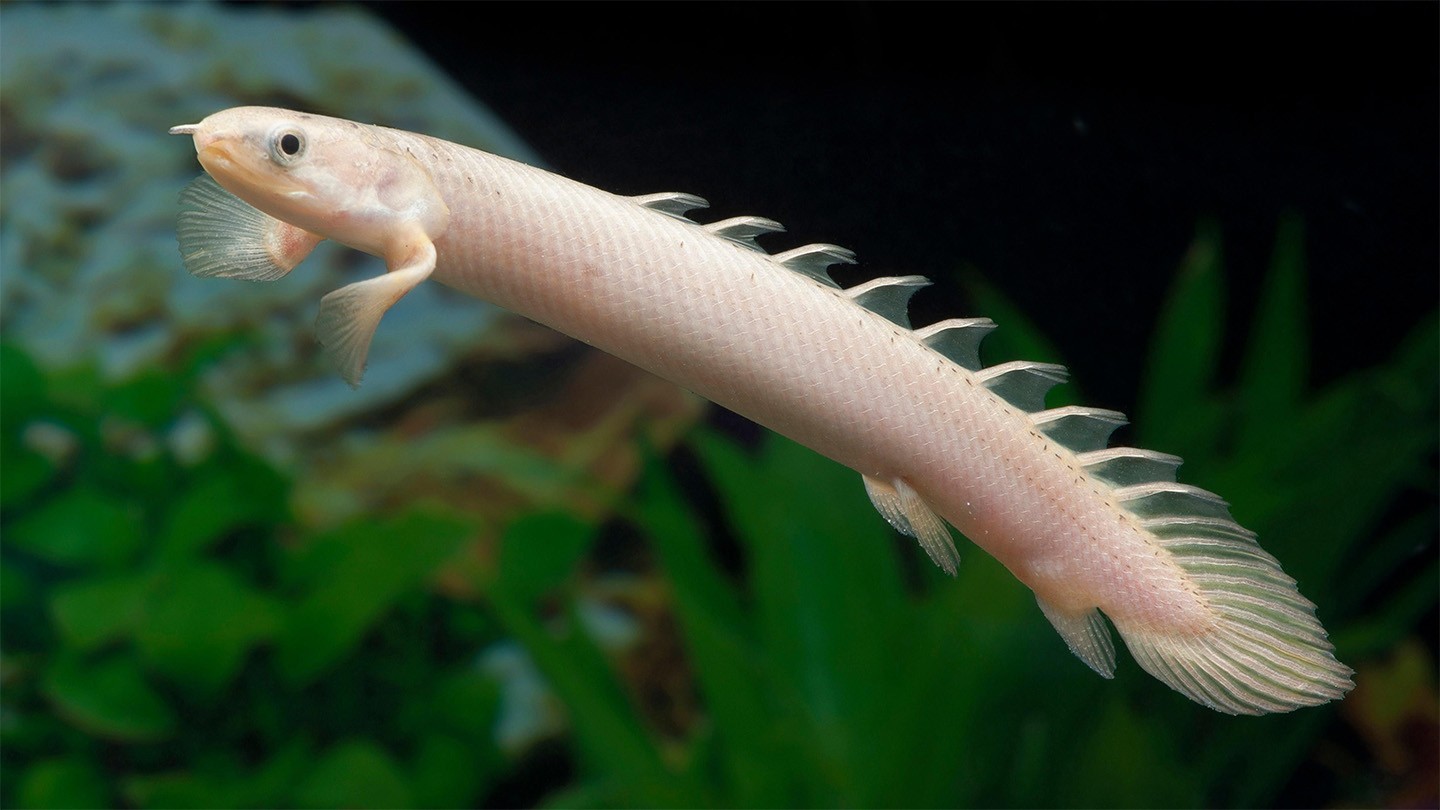
Researchers led by Igor Schneider at Louisiana State University focused on the Senegal bichir (Polypterus senegalus ), an ancient bony fish capable of fully regenerating fins. This species is considered a “living fossil” due to its position at the base of the vertebrate family tree. By studying the bichir alongside axolotls (salamanders known for limb regeneration) and zebrafish (which regrow fin tips), the team uncovered a shared cellular playbook for regrowth.
Immune Response as a Key Trigger
The study found that all three species initiate regeneration with a rapid influx of immune cells. Initially, these cells act to fight off infection, a standard wound response. However, in the bichir and axolotl, the immune system quickly pivots to suppress inflammation, preventing scar tissue formation—a crucial step for successful regeneration. Scarring inhibits regrowth; by avoiding it, these animals maintain the necessary cellular environment for tissue reconstruction.
Metabolic Shift for Oxygen-Independent Growth
Wound healing often involves disrupted blood flow, leading to oxygen deprivation. The study revealed that all three species overcome this challenge by activating metabolic pathways that don’t rely on oxygen. This allows cells to continue producing energy and building materials for regeneration even in low-oxygen conditions.
Unexpected Role of Red Blood Cells
One of the most striking findings was the massive surge of red blood cells at the amputation site in bichirs and axolotls—up to 20% of all cells present, compared to the usual 2%. Unlike human red blood cells, which lose their nuclei upon maturation, these cells retain them, allowing for increased gene activity. The researchers suspect these nucleated red blood cells may be signaling to other cells, further coordinating the regenerative process.
Implications for Human Medicine
The shared mechanisms observed across these distantly related species suggest that the ability to regenerate limbs is deeply rooted in vertebrate evolution. While humans have largely lost this capacity, understanding the underlying genetic and cellular pathways could inform future regenerative medicine efforts. The study emphasizes that the key to limb regeneration isn’t necessarily about discovering entirely new genes, but about reawakening or repurposing ancient, conserved pathways that already exist within our own genomes.
This work represents a significant step toward unraveling the mysteries of regeneration. Further research into these mechanisms may ultimately reveal whether humans could one day regain the ability to regrow lost limbs.