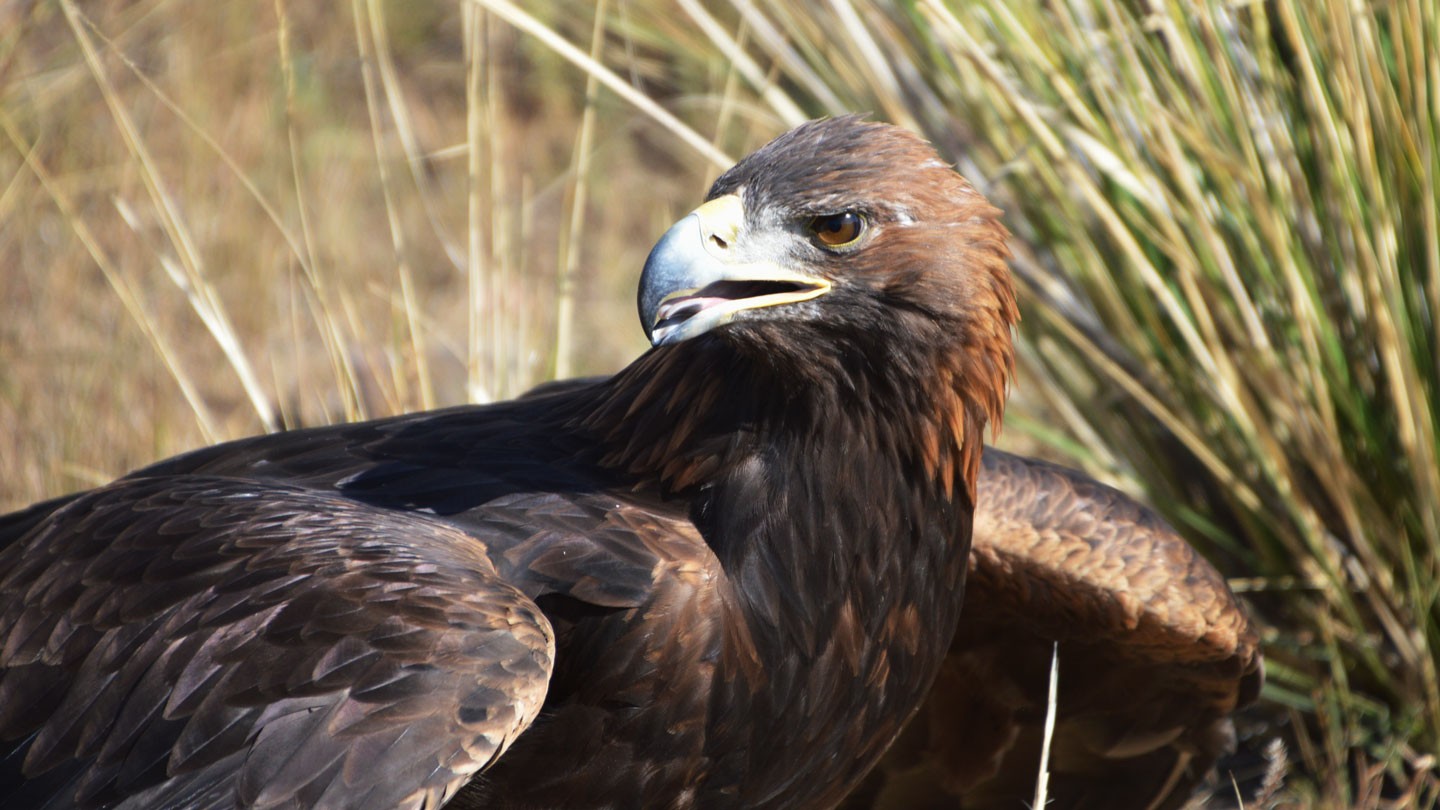
Golden eagle populations in Nevada are plummeting, with a particularly alarming trend unfolding in the Dry Lake Valley, a region now dubbed a “death vortex” by wildlife biologists. Despite previous assumptions of statewide stability, new tracking data reveals a concerning 10% decline since 2014, raising fears of accelerating losses. The situation is critical because golden eagles reproduce slowly, making it difficult for populations to recover from significant drops.
The Mystery of the Declining Population
Researchers led by Joe Barnes of the U.S. Fish and Wildlife Service have been tracking Nevada’s golden eagles using transmitter-equipped backpacks. This effort was challenging, requiring nighttime captures to avoid detection by the highly wary birds. The data collected from 43 adults (30 of whom have since died) and tagged chicks has revealed a disturbing trend: while territories appear occupied, birds are constantly dying and being replaced by others migrating in from elsewhere. This constant turnover masks the true scale of the population decline in standard surveys.
Multiple Threats Converge
The cause isn’t a single factor; rather, it’s a confluence of pressures. Wildfires, prolonged drought, collisions with powerlines, and lead poisoning all contribute to eagle mortality. Compounding the problem, a recent virus decimated rabbit populations—the eagles’ primary food source—leading to widespread starvation. The stress from these conditions has even caused eagles to skip breeding for years, exacerbating the decline.
Habitat Loss and Energy Development
Adding to the crisis, expanding solar energy projects are encroaching on vital eagle habitat. A planned 104-square-kilometer solar field in Dry Lake Valley poses a significant threat if not carefully managed. The rapid conversion of land for energy development, if done without ecological consideration, can have devastating local impacts on wildlife.
The Future Remains Uncertain
Despite the grim outlook, some eagles persist in the face of harsh conditions. Recent surveys show minimal courtship behavior, scarce prey, and extremely dry vegetation, yet the birds remain. Whether they can adapt or if the “death vortex” will claim more victims remains to be seen.
“There’s a 2 percent chance that everyone is happy and healthy, but 98 percent odds that they’re declining, and it’s a fairly strong decline.” — Joe Barnes, U.S. Fish and Wildlife Service
This situation underscores the urgency of addressing multiple threats to apex predators in fragile ecosystems. The golden eagles of Nevada serve as a stark warning: when multiple stressors converge, even resilient species can face rapid collapse.