Food insecurity is no longer a problem confined to low-income nations. As global temperatures rise, extreme heat is systematically dismantling the foundations of global agriculture, threatening crop yields, livestock health, and the livelihoods of farmers worldwide.
Recent reports from the United Nations Food and Agriculture Organization (FAO) and the World Meteorological Organization (WMO) paint a stark picture: agricultural systems are being pushed to the brink. The data reveals that half a trillion working hours are lost annually due to extreme heat—a figure that will only climb as the planet warms.
This crisis is not theoretical; it is already unfolding in wealthy regions. The Lancet Countdown, an international research collaboration tracking health and climate indicators, recently highlighted that Europe is experiencing a sharp rise in heat-related deaths, unsafe working conditions, and food insecurity.
To understand the mechanics of this crisis, we spoke with Shouro Dasgupta, an environmental economist and co-author of the Lancet Countdown report. Here is how extreme heat is reshaping the global food system, why it matters for everyone, and what can be done to mitigate the damage.
The Dual Threat: Crops and Livestock
Agriculture is fundamentally biological, and biology has limits. Crops thrive within specific temperature ranges. When extreme heat breaches these thresholds, the consequences are immediate and severe.
1. Crop Failure
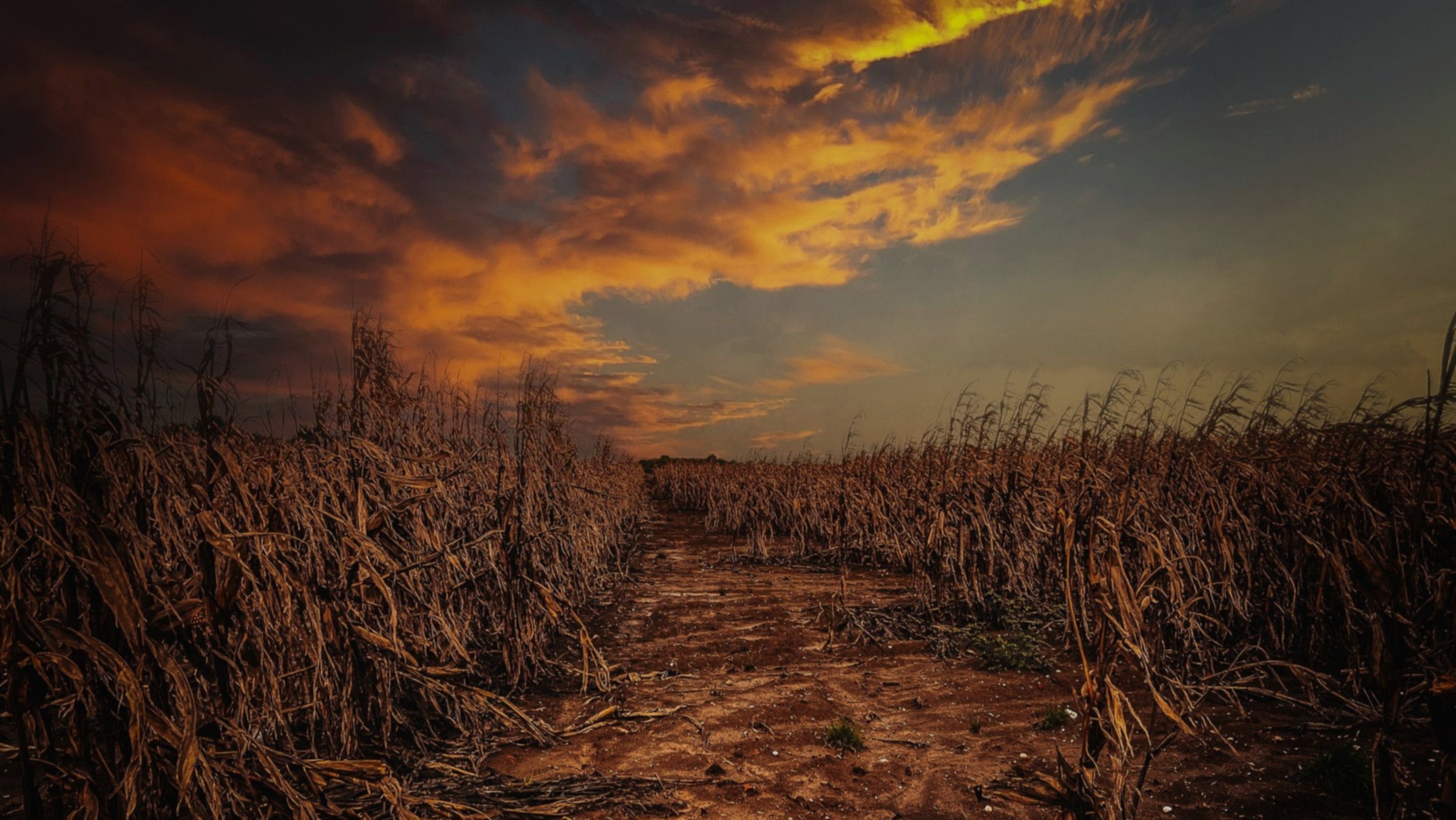
High temperatures cause crops to wither before they can be harvested. In many regions, this is compounded by prolonged and unprecedented droughts, which strip the land of moisture essential for growth. The result is not just lower yields, but total crop failure in vulnerable areas.
2. Livestock Crisis
While crops often dominate the conversation, livestock is equally vulnerable. Extreme heat is dangerous for animal health, leading to reduced productivity and increased mortality. For millions of farmers whose livelihoods depend entirely on livestock, this is not just an agricultural issue—it is an existential economic threat.
“It’s not just the supply of food that is being affected, but at a very human level, the livelihoods of these farmers are being destroyed,” explains Dasgupta.
The Human Cost: Lost Hours and Lost Income
The impact of heat extends beyond the soil and animals to the humans who work the land. Agricultural workers are among the most exposed to climate risks, yet they often lack basic social protections.
- Reduced Productivity: Workers must take frequent breaks to protect their health, leading to significant losses in working hours.
- Economic Vulnerability: Many agricultural workers are paid hourly or daily. When they cannot work due to heat, they earn nothing. This forces many to sacrifice their health to keep earning, creating a vicious cycle of exploitation and illness.
The Lancet Countdown data for Europe illustrates this trend clearly: between 2020 and 2023, warming resulted in an average reduction of 24 working hours per worker per year in high-exposure sectors like agriculture and construction. This loss of labor translates directly to lower incomes for workers and reduced profits for farms, eventually slowing economic growth.
Food Insecurity in the Global North
One of the most critical findings from recent research is the shifting geography of food insecurity. Historically viewed as a challenge for developing nations, it is now a pressing issue in wealthy regions.
In 2023 alone, the increased frequency of heatwaves and droughts in Europe contributed to 1 million additional people becoming food insecure. This shift underscores a vital truth: climate change is a global multiplier of inequality. While the Global South often bears the brunt of immediate agricultural collapse, the Global North is not immune. Supply chains are interconnected, and shocks in one region inevitably ripple through the global market.
The Ripple Effect: From Farm to Supermarket
The connection between extreme heat and your grocery bill is direct, though sometimes delayed.
- Supply Chain Disruption: As crop yields fall and livestock dies, the global supply of food decreases.
- Labor Shortages: Reduced working hours mean less food is processed, transported, and distributed.
- Price Increases: The joint effect of lower supply and higher labor costs leads to rising food prices.
While there may be a lag between the initial shock to the workforce and the price changes seen in supermarkets, the transmission is inevitable. Everyone will eventually feel the impact of a warming planet on their food security.
Pathways to Resilience
Despite the grim outlook, solutions exist. Addressing this crisis requires a shift from reactive measures to proactive safety nets.
- Anticipatory Support: Governments and organizations must anticipate food insecurity events before they escalate into famine. This includes implementing cash transfers, food assistance, and other safety nets that are triggered by early warning signs, not just after disasters strike.
- Climate-Resilient Agriculture: Investing in crops that can withstand heat, drought, and salinity is crucial. Interestingly, the Global South holds valuable knowledge in this area. Countries like Bangladesh have over three decades of experience in developing climate-resilient crops, offering lessons that the Global North can learn from.
“We can no longer rely on reacting after an event has taken place,” Dasgupta emphasizes. “We need to anticipate food insecurity events before they become famine.”
Conclusion
Climate change is no longer a distant threat; it is actively reshaping global agriculture, reducing working hours, and increasing food insecurity even in wealthy nations. The path forward requires urgent investment in resilient crops, proactive social safety nets, and a recognition that food security is a shared global challenge. By learning from regions already adapting to these changes, we can build a more resilient food system for the future.