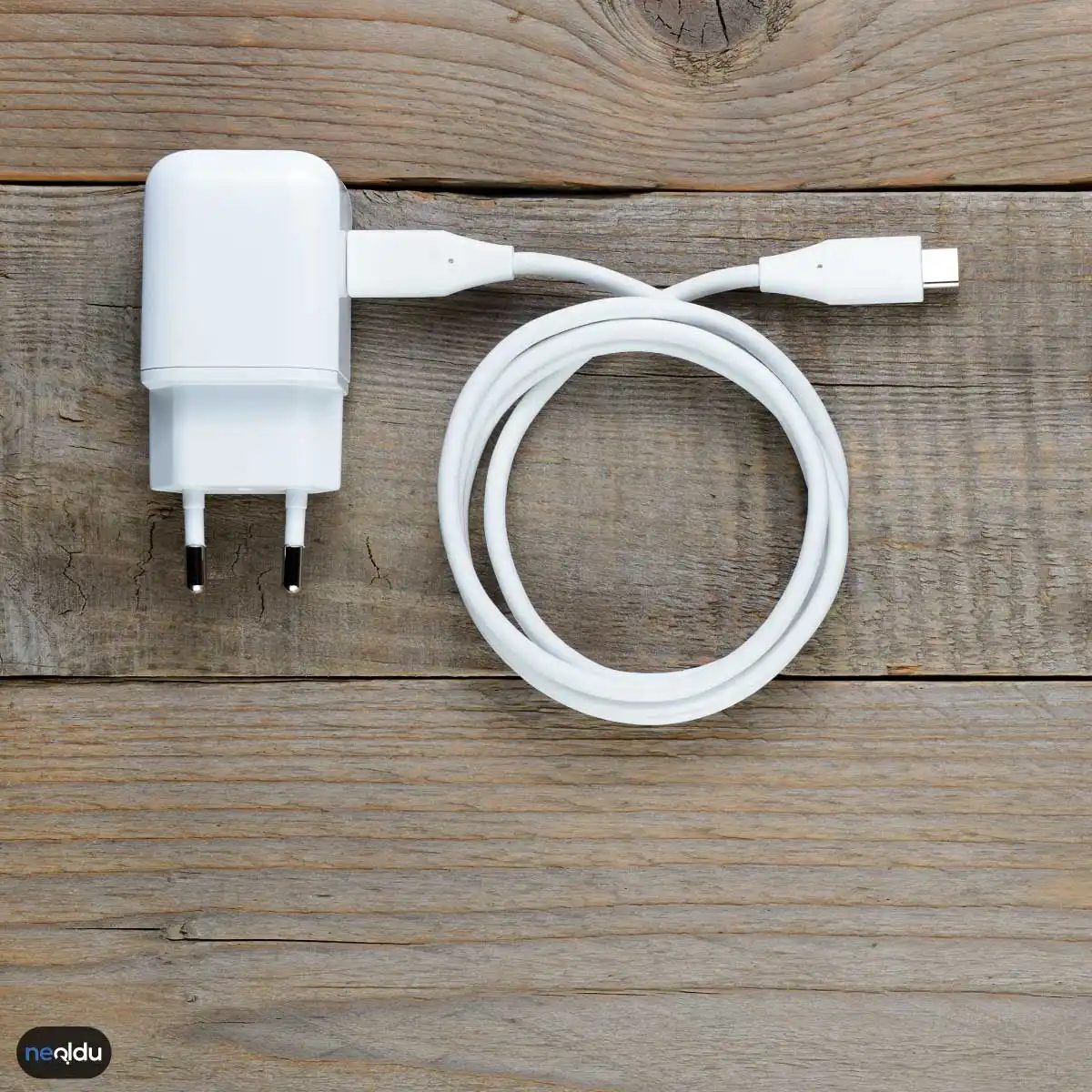
您的智能手机可能是您早上抓起的第一件东西,也是您晚上触摸的最后一件东西。 平板电脑、笔记本电脑和无线耳机已融入日常生活。 它们不再只是小玩意; 他们是生命线。 但这种依赖也伴随着隐藏的风险。 插入墙上的充电器是薄弱环节。
使用错误的电源适配器不仅仅会减慢电池循环速度。 它可以炸主板。 它可能会引起火灾。 它可以将价值 1,000 美元的设备变成昂贵的碎片。 危险不仅在于表现不佳,还在于物理安全。 假冒充电线和充电砖随处可见,往往乍一看与正品难以区分。 如何判断口袋里的电缆是安全的电力管道还是定时炸弹?
The Visual Tell
Let’s start with the build quality. Genuine manufacturers invest heavily in precision molding. The plastic feels dense. The seams are strong. Counterfeit chargers often feel hollow, light and flimsy. Run your finger along the edge of the USB connector. If it becomes rough or has burrs, throw it away. Genuine metal contacts are smooth and coated.
Look at the text. Print quality with fake bricks is often unclear. The font may be slightly off. Regulatory marks such as CE, FCC, and UL may be misspelled or have distorted stamps. If the warning sticker comes off by gently pulling, the product is fake. Authentic labels are durable embedded or printed in high resolution.
The Weight Factor
手里拿着两个充电器。 一种是手机制造商的原包装盒。 另一种是您从加油站或在线市场购买的便宜产品,价格仅为其一小部分。 假货几乎总是更轻。 塑料外壳内有一个铜线圈和电容器,负责承担繁重的工作。 小气制造商使用的材料较少。 他们在变压器上偷工减料。 重量越轻意味着安全性越低。 说明散热不好。 这意味着装置在负载下熔化的可能性更高。
Why price matters (or doesn’t)
This is the harsh truth. If it sounds too good to be true, it is. If you see a 65W GaN charger for sale for $5, walk away. The actual components are expensive. Copper costs money. Testing safety certificates is expensive. Genuine 65W chargers usually cost $30-$60 from trusted brands like Anker, UGREEN, or phone manufacturers themselves.
Counterfeiters don’t just copy looks. They copied the chip that negotiates the power handshake. Now it gets technical. Modern devices use protocols such as USB-PD (Power Delivery) and Quick Charge. The device and the charger communicate with each other before sending a single watt of power. They agree on voltage and amperage. Counterfeit chargers often fake this handshake. It tells the phone “I can supply 20V” when in reality it can only manage 5V. Even worse, dump full voltage immediately. Your phone’s internal protection circuitry might detect it. In many cases this is not the case.
The Certification Check
Look for the UL (Underwriters Laboratories) or ETL mark. These are more than stickers. They represent a rigorous test. you can
廉价的仿冒品承诺带来便利,但往往会造成破坏。 您可能会不假思索地在加油站或在线市场上购买那个精简的电源砖。 看起来不错。 它适合端口。 但在表面之下,它对您的电子设备来说是一颗定时炸弹。
威胁不仅仅是为了节省几美元。 这是为了防止你的手机膨胀、着火,或者干脆拒绝充电。 以下是如何在假冒充电器酿成灾难之前发现它的方法。
价格陷阱
价格是第一个危险信号。 如果正品制造商的充电器通常零售价为 20 美元,而您发现一个售价 5 美元,那就赶紧跑吧。 真正的工程需要花钱。 造假者在安全组件、稳压器和屏蔽方面偷工减料,以达到最低价格点。 看起来好得令人难以置信的交易几乎总是如此。
Poor Build Quality
A detailed review of the case. Authentic download experience. The plastic is dense, the electricity is active, but the legs are strong. Everyone in the world feels more vulnerable than ever.
- Loose connections: As a result, if the electric current is at the end of the mouth, there is no movement or movement and the wall opens.
- Fraying wires: Cheap internal wiring can lead to short circuits.
- Rough edges: The mold marks are uneven and the quality of the plastic factory is poor, so it is impossible to confirm the manufacturing process.
Missing or Incorrect Manufacturer Details
Genuine products are proud of their country of origin. Clear logos, model numbers and safety certifications (UL, CE, FCC, etc.) are displayed. Counterfeit boxes often lack this information completely. If it exists, it may be unclear or misleading. Be sure to check the manufacturer’s official websites for more information.
Typos in Logos and Brand Names
Fake brands love to copy, but they rarely proofread. Look for subtle mistakes. Is the “O” in the logo slightly oval? Is “Samsung” or “Apple” missing a letter? These aren’t just aesthetic issues; These are clear signs of a fake that doesn’t care about brand integrity because it doesn’t bind them.
错误的插头和适配器
这就是危险的地方。 有些假货的插头类型或电压额定值不正确。 在 220V 插座上使用 110V 适配器(反之亦然)而没有进行适当的转换,可能会立即烧毁您的设备。 更糟糕的是,不正确的接地可能会导致触电。 始终确保插头类型和电压输出完全符合您设备的特定要求。
褪色或印刷错误的标签
检查细则。 正品充电器具有清晰易读的标签,标有功率、电压和电流规格。 假货通常使用廉价打印机。 文本可能会被弄脏、褪色或使用错误的字体。 如果您无法清楚地阅读规格,请不要冒险。 您需要确切地知道向电池输入的电量。
为什么假冒充电器如此危险
风险不仅仅是电池没电了。 错误的电压调节可能会将尖峰电流直接发送到设备的主板上。 这可能会烧坏电路,随着时间的推移降低电池的健康状况,或导致过热。
“假冒充电器不仅仅是一个劣质配件;它


Cheap knockoff chargers attract buyers with attractive prices, but are basically a ticking time bomb for your device. If you connect a fake adapter, you risk bad charging. They introduce significant safety hazards to your home or office. The attractiveness of saving a few dollars often overshadows the high risks associated with using substandard power supplies.
No quality control
Counterfeit chargers are typically made from inferior materials than their real counterparts. The internal wiring is often sloppy and the components used are of poor quality. This lack of control means that miswiring or cheap capacitors are common, leading to short circuits and various malfunctions.
The consequences are not small. A fake charger can overheat under load, catch fire or even explode. More often than not, irregular voltage spikes are sent directly to your smartphone or laptop, causing permanent damage to the battery or internal circuitry. You might save ten dollars on an adapter, but you could lose a thousand dollars on phone repairs.
Risk of electric shock
One of the most alarming aspects of counterfeit chargers is the physical structure of the connector and housing. The manufacturers of these replicas often forgo proper insulation and safety cases. It is not uncommon to find chargers with incorrectly installed terminals or exposed conductive parts.
This carelessness creates an immediate risk of electric shock, especially if the device is used in a humid environment or if the case cracks over time. Electrical connections are rarely safe, so loose contacts can cause an external electric shock, which can pose a danger to the user and anyone nearby who touches the outlet or device.
Failure to comply with safety standards
Original chargers from well-known brands must pass strict safety certificates and testing protocols before entering the market. They are designed to accurately regulate voltage and current to protect the device being charged. However, counterfeit chargers completely avoid these regulatory barriers.
Because they are not safety tested, they lack the necessary protection mechanisms, such as overcurrent protection or thermal shutdown features. The lack of standards means that any fault in the power grid or power surge can be transmitted directly to your device via the charger. The consequences can be catastrophic, from fires and explosions to serious damage to expensive electronics. The risk is not just theoretical; This is a direct result of skipping mandatory security checks.
No warranty or support
When you buy a fake charger, you are buying a disposable product without a safety net. Genuine products have a warranty that covers defects and enables repairs or replacements if something goes wrong. There is no such guarantee for counterfeit products.
If a fake charger doesn’t work or damages your phone, you’re on your own. There is no way to call customer service, no refund process, and no responsibility for the manufacturer, who probably operates in secret. This lack of recourse means that any failure results in total loss, both financially and in terms of equipment safety.
Where to buy safe chargers
To avoid these risks, you need to know where to look for reliable power supplies. Stick to authorized dealers, well-known electronics stores, or go directly to the official website of the device manufacturer. Avoid unknown sellers on online marketplaces whose prices seem too good to be true. Check that there are no safety certification marks on the packaging and the device itself. If the charger looks cheap, feels flimsy, or doesn’t have a clear logo, it’s probably a fake.
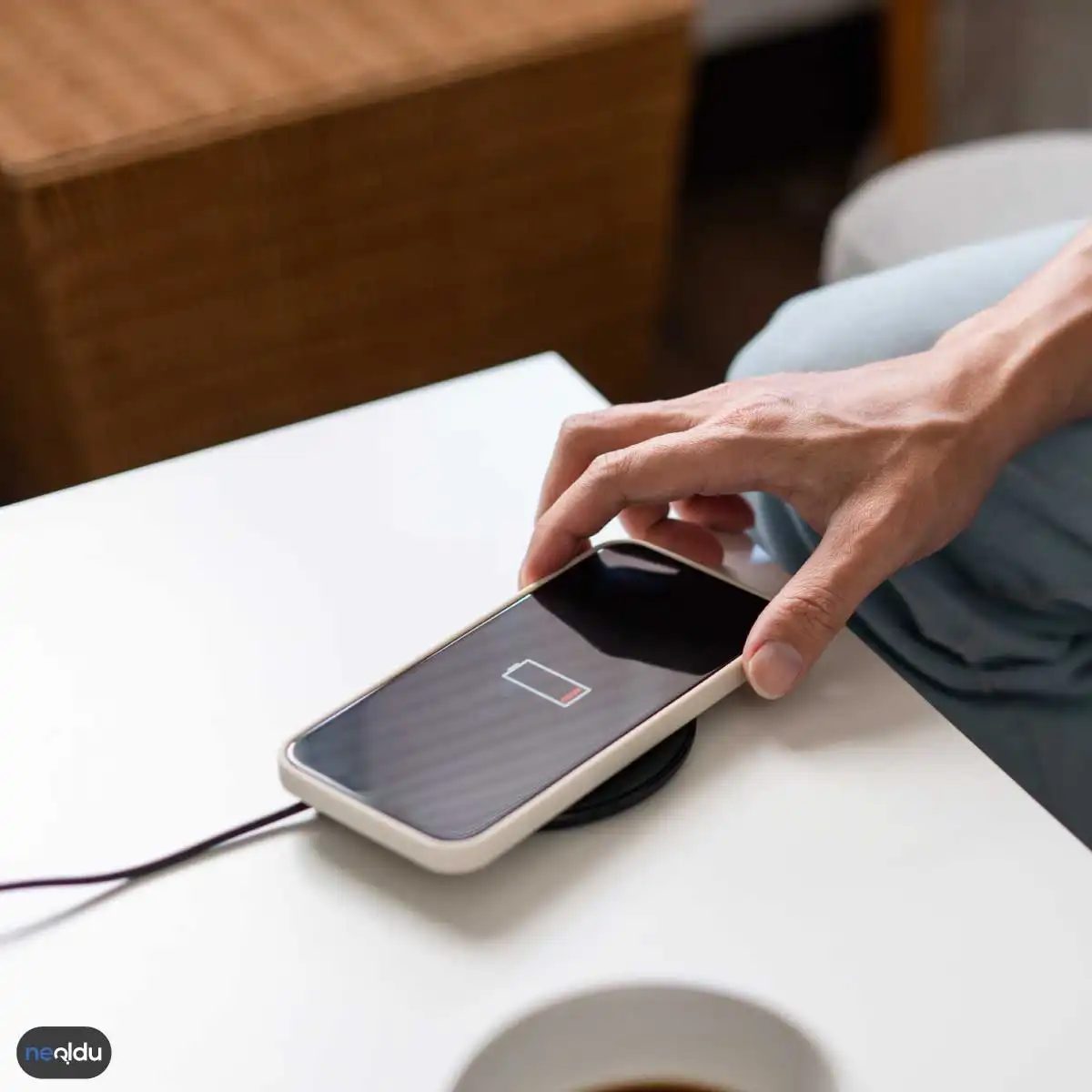
Buying a charger isn’t just about convenience. It is about not burning your house down. The safest route is always the original brand. Stick with the manufacturer or certified retailers. Avoid third-party sellers unless they have proven credentials.
Stick to the Original Brand
This is the gold standard. When you buy the charger that came with your device, you guarantee performance and safety. The voltage matches. The current is regulated. It works as intended. Deviating from this introduces risk.
Buy from Trusted Retailers
If the original brand is out of stock, choose a reputable seller. Major electronics chains or large online retailers have quality control. They filter out the dangerous junk. Small, unknown websites often do not. A slightly higher price at a trusted store is worth the peace of mind.
Look for Certifications
Independent organizations test for safety. Look for marks from UL or TÜV Rheinland. These groups verify that the charger meets strict safety standards. If a cheap charger lacks these labels, it is likely unsafe. Do not ignore this. Certification is not just paperwork. It is proof of testing.
Check the Manufacturer Directly
Some makers sell directly to consumers. This cuts out the middleman. You get the genuine article. Contact the manufacturer if you are unsure. They can point you to authorized sellers. This is the most reliable way to avoid counterfeits.
Be Wary of Second-Hand Markets
Online marketplaces are full of cheap chargers. But cheap often means fake. The risk of counterfeit goods is high here. Sellers may not disclose the origin of the item. If you must buy used, verify the seller’s reputation. Do not assume a low price equals a good deal.
“Counterfeit chargers can damage your battery or cause it to explode.”
Risks of Using Fake Chargers
Fake chargers are not just inefficient. They are dangerous. They can degrade your battery health rapidly. In worst-case scenarios, they can cause fires or explosions. They also throttle performance. Your device may charge slower or overheat. The lifespan of your gadget shortens significantly.
How to Identify a Fake Charger
Visual inspection is the first step. Look for these red flags:
- Price: If it seems too good to be true, it is. Genuine chargers cost money to produce.
- Build Quality: Cheap plastic. Loose ports. Flimsy cables.
- Packaging: Missing manufacturer info. Poor print quality.
- Labels: Blurred text. Misspelled brand names. Incorrect plug types.
- Details: Silky or smeared logos. No model number.
Testing Your Charger
You can perform basic checks at home. Use a multimeter to measure voltage and current. Compare these readings to the charger’s label. Check the resistance if you have the tools. Inspect the packaging for consistency. Research the model number online. If the specs do not match the official product page, it is fake. Test the charging speed. An abnormally slow charge is a sign of poor quality control.
The market is flooded with unsafe electronics. Vigilance is your best defense. Never compromise on safety for savings. Your device—and your home—is worth more than the few dollars you might save. Keep checking labels. Verify certifications. Stay alert to the signs.