You could argue that a dog breed doesn’t get much more prestigious than being immortalized in ancient tomb carvings. But for the Saluki, this isn’t just marketing flair. It’s historical fact. These sleek sighthounds trace their lineage back to 7000–6000 BCE. They roamed the Fertile Crescent—spanning from northern Egypt through the Middle East—and left their paw prints on pottery, paintings, and the walls of pharaohs’ palaces.
The Egyptians didn’t just like them. They revered them.
Known as the “royal dog of Egypt,” the Saluki hunted gazelles for the pharaohs. But they weren’t just palace pets. Bedouin nomads relied on them too. These dogs were essential for hunting hare and other prey to keep the tribe fed. They were survival tools, wrapped in silk coats.
Breed Data and Origins
Where did this ancient breed come from? And what does it look like today?
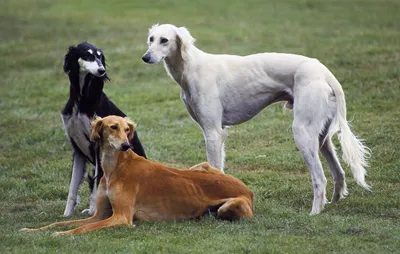
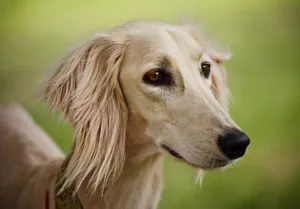
The Saluki originates from ancient Egypt and the Middle East. It belongs to the hound group. You might also hear it called the Persian Greyhound or the Gazelle Hound. It’s a slender, sleek dog with long legs and a narrow body. Think of a Greyhound, but softer, with drop ears and a silky coat.
Here is the breakdown of the breed’s physical stats:
- Height at withers: 23–28 inches (58–71 cm)
- Weight: 38–65 pounds (18–29 kg)
- Lifespan: 11–13 years
- Coat Types: Feathered (longer hair on ears and tail) or Smooth (very short all over)
- Colors: Any shade of tan (white to red), black and tan, grizzle, sable, often with white markings
Why Was the Saluki an Exception in Islamic History?
Islam historically considered dogs unclean. This is a well-known cultural and religious stance in many parts of the Middle East. Yet the Saluki was an exception.
Why?
It was known as el hor —“the noble one.”
Revered in palaces, the Saluki was equally welcome in Bedouin tents. They ate from the same plates as their owners. This wasn’t just tolerance. It was respect. The dog was a partner in survival, not a pest.
This unique status persists today. Saluki races and coursing events are still held across the Middle East. The tradition lives on.
The Southern Illinois Connection
Did you know a Saluki is the mascot of Southern Illinois University?
It sounds random. It’s not. The university is located in a region of Illinois called “Little Egypt.” Why that name?
The area has a V-shaped geographical similarity to the Nile River delta. It produces fertile grain. And it has Cahokia Native American mounds that resemble Egyptian pyramids. Several towns here, like Cairo, Illinois, are named for Egyptian cities.
So the university picked a Saluki. Not because it’s a local tradition. But because it fits the historical theme.
Care and Upkeep
Grace

Grooming the Silk and Steel
You might think a Saluki is low maintenance because they don’t shed much. They do. But that isn’t the whole story. The feathered variety demands a specific kind of attention to look right. If you have a dog with those long plumes, you have to comb its ears, tail, and the hair between its toes or on its britches twice a week. That is non-negotiable if you want to avoid knots that feel like steel wool.
Washing the ear feathering weekly helps too. It keeps the tangling at bay before it starts. Neutered or spayed dogs of the feathered variety are another beast entirely. They often grow long hair all over their body. Suddenly, you are looking at daily brushing, not just twice weekly.
For the rest? You can skip the frequent baths. Their coats are designed to stay clean. But other chores cannot be ignored. Check the ears periodically for debris and mites. Clip the nails every other week. And if you can manage it, brush their teeth daily. It sounds like a lot for a quiet dog, but it prevents bigger health issues later.
Activity and Climate Adaptation
Salukis need about an hour of exercise daily. That is their baseline. They are not couch potatoes by nature, but they are not hyperactive either. Once that hour is done, they are sedate. They will likely spend the rest of the day lying around, watching you. This makes them well-suited for apartments or houses with small yards, provided that daily run happens.
Climate-wise, they thrive in warmth. Their short coats are built for hot, dry environments. They can adapt to cold, but they are not built for it. In very cold climates, they need a jacket. Do not assume their lean physique will keep them warm. They will shiver.
Temperament
The Saluki is an independent thinker. It is not a dog that looks to you for constant direction. It is a sighthound, after all. They were bred to hunt by sight and speed, not to fetch or please on command. This independence can be charming or frustrating, depending on your patience. They are sensitive to tone and treatment. Harshness shuts them down. Gentle consistency wins their trust.
Socialization is key. Without it, their prey drive can become an issue with smaller animals. With it, they can be quiet, elegant companions. They are not typically aggressive. They are aloof with strangers but loyal to their family. Understanding this balance is what makes owning a Saluki rewarding. It is not a pet for everyone. It is a partner for those who respect their space.
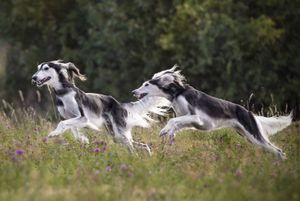

Salukis sit in a weird space in the dog world. They are quiet. Gentle. Loyal. They don’t bark much. You might think that makes them low-maintenance house pets. It’s a trap.
Under that calm exterior is a built-in sprinter. A hunter.
The Energy Paradox of the Saluki
Most people assume a dog that sleeps all day is easy. The Saluki fits that description. They sleep a good part of the day. They have moderate to low energy levels when indoors. But this is a sprinter’s energy. Not a marathon runner’s.
Get them outside? Everything changes.
They enjoy a daily full-out run. This isn’t a suggestion. It’s a requirement for their mental health. If you let them get bored, they become destructive. They need to move. They need to use that speed.
This creates a specific lifestyle need. You cannot just walk them around the block. They need space. They need to run.
Safety First: The Leash Rule
Here is the hard truth about Salukis. They chase. They catch wild animals if given the chance. It is in their DNA.
Leashes are mandatory. Not optional. Not for the walk, but for the run.
If you open a gate, they are gone. They will not come back if a rabbit runs by. They are fast. Too fast for their own good in an urban environment.
This also means they are not off-leash candidates in most places. Even in parks. Even if they are well-trained. The prey drive is too strong.
Social Skills and Strangers
Salukis get along well with other dogs. They are pack animals at heart. They usually handle other pets fine.
Strangers? Not so much.
They can be timid toward strangers. This is not aggression. It is caution. It is independence.
They are alert. They notice everything. They make decent watchdogs. They will tell you someone is at the door. They will not bark wildly. They will just stare.
But they are ineffective protection dogs. Why? Because of their non-aggressive nature. They do not want to fight. They want to run. Or hide. Or ignore you.
The Stubborn Independence
You will notice Salukis are independent. This is a breed trait.
They can ignore owners’ commands. This is not disobedience. It is a choice. They are thinking. They are deciding if the command is worth following.
This requires patience from owners. You cannot force them. You have to earn their cooperation.
Understanding Individual Differences
These are well-established and widely accepted generalizations about the breed. They are generalizations for a reason.
Individual dogs may differ in behavior and temperament. Some Salukis are more outgoing. Some are more shy. Some have higher prey drives. Some are calmer indoors.
The key is understanding the baseline. They are gentle with people of all ages. They are loyal. But they are also wild at heart.
Respect that wildness. Provide the space. Keep the leash tight when needed. And enjoy the quiet companionship when they choose to give it.
They will not be your typical obedient pet. They will be your silent, swift