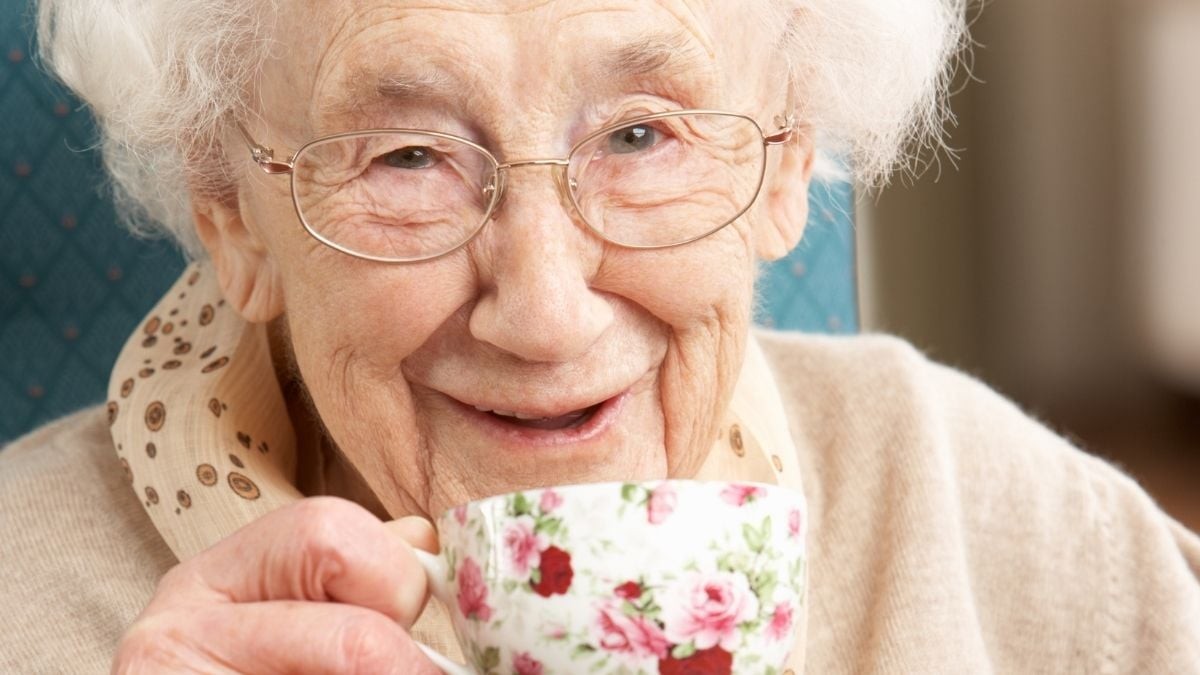
For millions of women over 50, the morning ritual of choosing between a cup of tea or a mug of coffee is a matter of habit and taste. However, new research suggests this daily choice may have tangible implications for bone health, particularly regarding the risk of osteoporosis.
A study conducted by researchers at Flinders University in Australia indicates that while moderate tea consumption may offer protective benefits for bone density, high coffee intake—especially when combined with alcohol—could pose risks.
The Osteoporosis Challenge for Older Women
Osteoporosis is a prevalent condition characterized by the gradual loss of bone mass, leading to brittle and fragile bones. It affects approximately one in three women over the age of 50. The disease stems from an imbalance in bone metabolism: the body fails to replace old bone tissue fast enough as it breaks down.
The risk escalates significantly after menopause due to the sharp decline in estrogen, a hormone crucial for maintaining bone density. Women who undergo oophorectomy (surgical removal of the ovaries) face similar hormonal shifts and associated risks. Because fractures resulting from osteoporosis are difficult to heal and can lead to long-term mobility issues, understanding modifiable lifestyle factors is critical for public health.
Study Methodology
To investigate the link between beverage consumption and bone health, researchers analyzed data from roughly 9,700 U.S. women aged 65 and older. The data was collected through self-reported surveys conducted at four different intervals over a decade.
The study focused on Bone Mineral Density (BMD), a key indicator of bone strength. Researchers measured BMD in two critical areas:
* The hip
* The femoral neck (the narrow part of the femur connecting to the hip joint)
These measurements were obtained using dual-energy X-ray absorptiometry (DXA), which uses low-dose X-rays to determine mineral content.
Tea: A Potential Ally for Bone Density
The analysis revealed a positive correlation between regular tea consumption and hip bone mineral density. Women who drank tea consistently exhibited slightly but significantly higher BMD levels compared to non-drinkers.
This benefit may be attributed to catechins, antioxidant compounds found in tea. Emerging evidence suggests catechins may stimulate osteoblasts, the cells responsible for building new bone tissue.
“Even small improvements in bone density can translate into fewer fractures across large groups,” said Dr. Enwu Liu, an epidemiologist at Flinders University.
Notably, the protective effect of tea appeared more pronounced in women with obesity, suggesting that tea consumption might help mitigate bone risks associated with higher body weight.
Coffee: Mixed Results and Specific Risks
The impact of coffee was less uniform and depended heavily on consumption volume and lifestyle factors.
- High Consumption Risks: Women who consumed more than five cups of coffee per day were more likely to have lower BMD. This aligns with previous research indicating that high caffeine intake can interfere with calcium absorption, a vital mineral for bone maintenance.
- The Alcohol Interaction: The study identified a significant interaction between coffee and alcohol. Women who consumed higher amounts of alcohol over their lifetimes and drank any amount of coffee showed reduced BMD in the femoral neck. This suggests that the negative effects of caffeine on bone health may be exacerbated when combined with alcohol consumption.
Limitations and Practical Takeaways
It is important to contextualize these findings within the study’s limitations. The participant pool was predominantly White, which means the results may not be fully generalizable to women of other ethnicities who may have different genetic predispositions or dietary patterns regarding bone health.
Despite these limitations, the study offers actionable insights for lifestyle management:
- Moderation is Key: The findings do not necessitate eliminating coffee or consuming excessive amounts of tea.
- Strategic Substitution: For women concerned about bone health, swapping high-caffeine coffee for tea may be a simple, low-effort strategy to support bone density.
- Holistic Approach: Beverage choices should complement, not replace, established bone health practices such as adequate calcium and vitamin D intake.
Conclusion
While tea and coffee are largely lifestyle choices, this research highlights that “what’s in your cup” plays a role in long-term skeletal health. For older women, incorporating moderate tea consumption into their daily routine may serve as a simple, enjoyable step toward maintaining stronger bones, while limiting excessive coffee intake—particularly alongside alcohol—could help mitigate fracture risks.