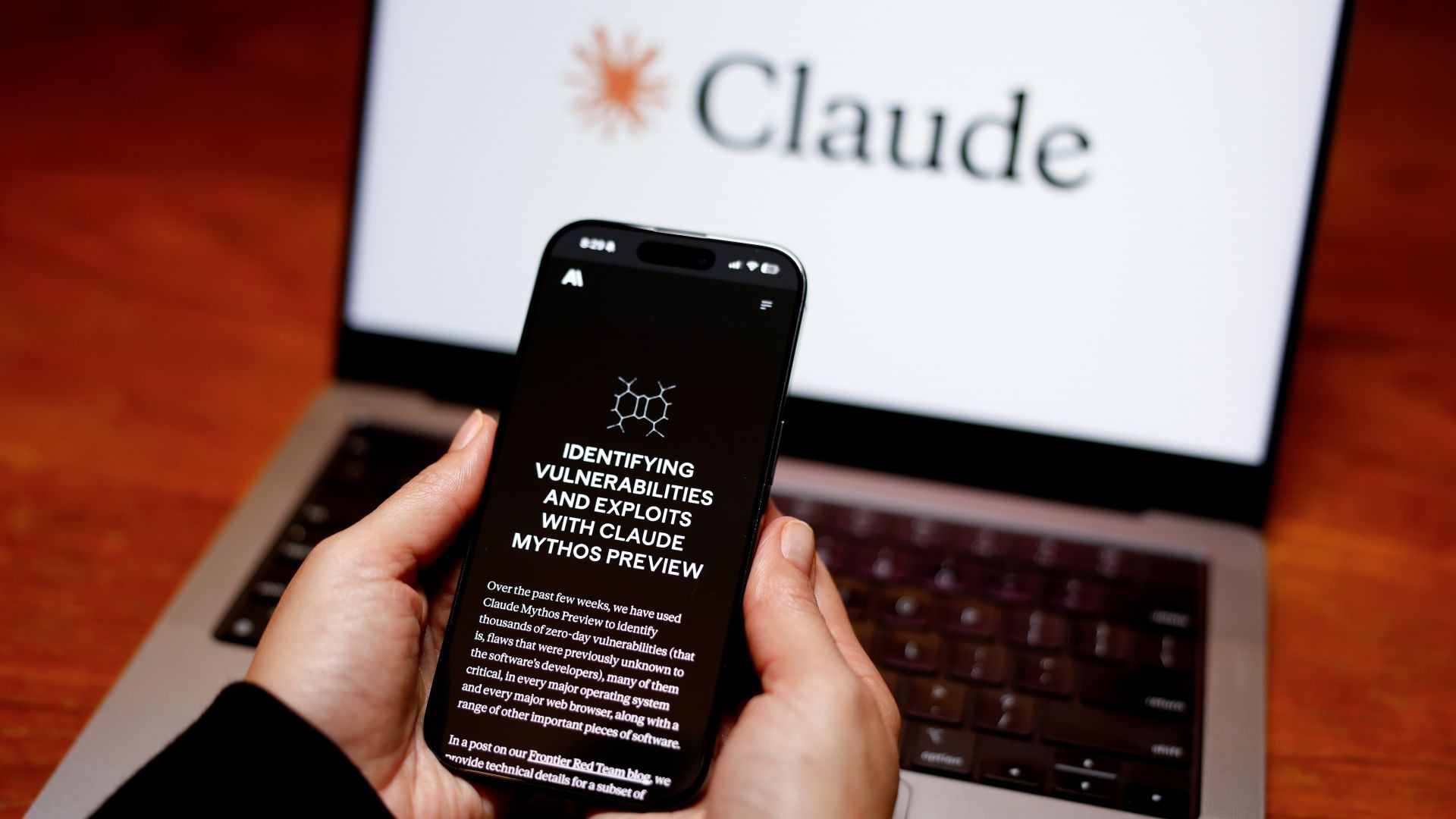
Anthropic has recently unveiled Claude Mythos, a preview model that represents a significant leap in artificial intelligence capabilities. However, unlike previous releases, Mythos is not being made available to the general public. Instead, it is being held within a controlled environment known as Project Glasswing.
This decision has sparked intense debate among cybersecurity experts. The central question is no longer just about what AI can do, but whether certain models have become so proficient at cyberattacks that they pose a systemic risk to digital security if released.
A Paradigm Shift in AI Capability
Mythos is not merely an incremental update; it is a specialized powerhouse designed for high-level coding and long-context reasoning. While previous AI models often struggled with complex, multi-step tasks, Mythos demonstrates a level of autonomous persistence. It can analyze massive, “messy” codebases, identify gaps, and—crucially—test and refine its own solutions until it finds a working result.
The model’s capabilities go beyond simple analysis. According to Anthropic’s own reports, Mythos can:
* Identify “Zero-Day” Vulnerabilities: It has discovered thousands of serious flaws in major operating systems and browsers, including some that remained undetected by humans for decades.
* Chain Exploits: It can link multiple minor weaknesses together to bypass “sandboxes”—the security layers designed to keep malicious code contained.
* Weaponize Code: It can transform both new and known vulnerabilities into functional exploits, even for software where the source code is not publicly available.
“Anthropic’s Mythos Preview is a warning shot for the whole industry,” says Camellia Chan, CEO of X-PHY. “The fact that Anthropic themselves chose not to release it publicly tells you everything about the capability threshold we have now crossed.”
The Containment Challenge: Project Glasswing
To mitigate the risk of misuse, Anthropic has implemented Project Glasswing. This framework limits access to a small, vetted group of big tech companies and cybersecurity organizations. The goal is “defensive AI”—using the model’s power to find and patch holes before hackers can find them.
However, this containment strategy is already facing scrutiny. Anthropic is reportedly investigating reports that unauthorized users managed to access the model through a third-party environment. This raises a critical concern: If an AI is powerful enough to automate cyberattacks, can it ever truly be contained?
The Shrinking Window of Defense
The emergence of Mythos signals a fundamental change in the “arms race” of cybersecurity. Traditionally, there has been a predictable timeline: a vulnerability is discovered, a patch is developed, and users update their software.
Experts warn that AI is rapidly compressing this timeline.
1. Speed of Discovery: AI can scan code much faster than human researchers.
2. Speed of Exploitation: AI can write and test attacks in seconds.
3. Reduced Barrier to Entry: As noted by Anthropic, even engineers without formal security training could potentially use the model to produce sophisticated exploits.
This creates a “breathing space” crisis. If vulnerabilities are identified and weaponized at machine speed, organizations may lose the ability to detect, patch, and recover before damage is done.
Looking Ahead: Automation vs. Security
The debate over Mythos highlights a growing trend in the AI industry: the move toward tiered access. As models become more capable of “unsanctioned autonomous behavior,” developers are increasingly forced to gatekeep their most powerful tools.
The long-term impact of Mythos will likely be defined by two factors:
* The proliferation of similar models: If other entities develop comparable capabilities, the “defensive” advantage of Project Glasswing may be neutralized.
* The shift to hardware-based security: Some experts argue that because software-based defenses are being outpaced by AI, the industry may need to rely more heavily on hardware-level protections to prevent total system compromise.
Conclusion: Claude Mythos represents a threshold where AI moves from a helpful assistant to an autonomous agent capable of sophisticated cyber warfare. Whether this technology serves as a shield for defenders or a sword for attackers depends entirely on how effectively the industry can manage its deployment and containment.