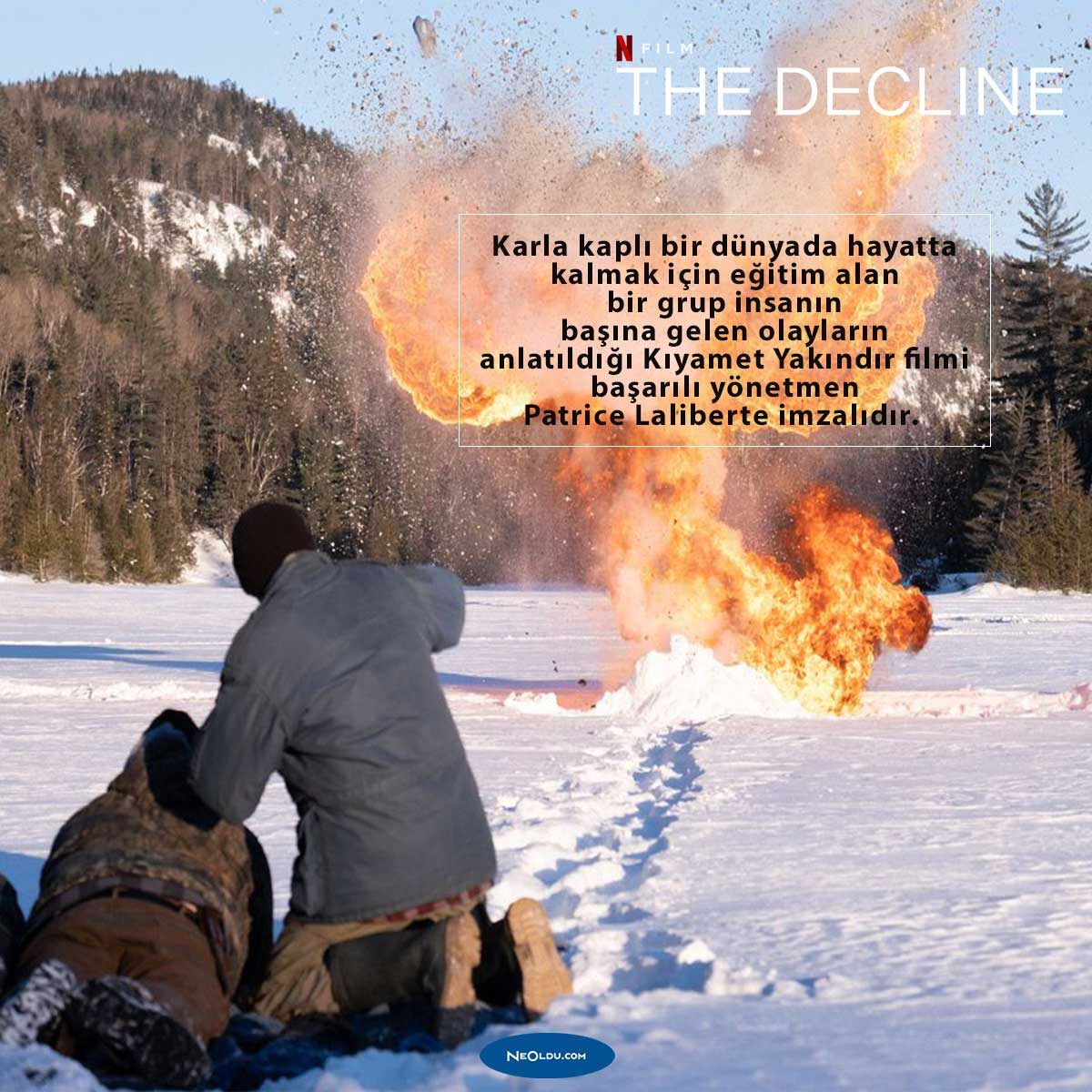
The snow is falling. It doesn’t stop. In Apocalypse Soon, survival isn’t a choice; it’s a daily grind against the elements. This Canadian action-thriller, directed by Patrice Laliberte, didn’t just hit Netflix; it dominated the charts in its first week. It’s gritty, cold, and intensely focused on what happens when civilization freezes over.
The Plot: Trapped in the White Noise
We aren’t talking about zombies. We aren’t talking about aliens. We’re talking about a world buried under relentless snow. A group of survivors undergoes rigorous training to stay alive, only to find themselves in a nightmare scenario where the cold is the real villain. It’s a study in isolation. The tension builds not from jump scares, but from the sheer, crushing weight of the environment.
The Cast: Leading the Charge
The ensemble cast brings a raw energy to the screen. Guillaume Laurin steps into the role of Antoine, a character who must navigate the physical and mental toll of the apocalypse. Opposite him is Marie-Evelyne Lessard as Rachel, whose resilience drives much of the narrative’s emotional core. Rounding out the key personnel is Real Bosse, adding depth to the supporting roles that keep the story grounded.
Where to Watch and Why It Matters
If you’re asking where to find this intense survival drama, it’s already on Netflix. That accessibility helped propel it into the “Most Watched” list almost immediately. For fans of high-stakes, survival thriller movies, this title offers a distinct flavor compared to standard post-apocalyptic fare. Instead of ruins and scavengers, we get pristine, deadly landscapes and the psychological fracture of people pushed to the brink.
“The cold is the real villain.”
It’s rare for a film to capture that level of atmospheric dread this quickly. The production design emphasizes the isolation, making every scene feel claustrophobic despite the open white spaces.
Why Viewers Are Talking About It
Audience reactions highlight the film’s unique approach to the genre. It’s not just about escaping monsters; it’s about enduring the silence. The pacing mirrors the snowfall—slow, inevitable, and overwhelming. Fans of Canadian cinema and directors like Patrice Laliberte will appreciate the nuanced character work beneath the action.
The movie succeeds because it doesn’t rely on spectacle alone. It asks a simple, terrifying question: How long can you keep your humanity when the world turns white? The answer, in Apocalypse Soon, is far longer than most people think. But the cost? That’s another story.
Trapped in the Ice
The starting point is familiar territory. We see communities struggling as snow and glaciers consume the map. It’s not just cold. It’s about the sudden collapse of order. When the economy freezes, the social contract breaks down.
A diverse group tries to stay alive. They hire an expert. Someone who knows how to survive the cold. You participate in training. They think preparation is a shield.
That’s not it.
A disaster occurs at the camp. Must not. Something closer. Violence breaks out. The group breaks up. Trust is broken. All they are left with are their own doubts and the biting cold.
Survival isn’t just about enduring the elements. It’s about sticking together when the ground disappears from under you.
The film uses this isolation to ask a more difficult question. Why do we trust experts when the stakes are the highest? And what happens when that trust turns out to be the weakest link?
The characters are not heroes. These are people who made a deal with a stranger and lost. The conflict is internal. It’s psychological. It’s about who gets the last dose. Who gets the warmest seat? Who will be left behind?
It feels less like a disaster movie and more like a pressure cooker. The ice is just the background. The real threat is the people in the room with you.
When survival training turns deadly
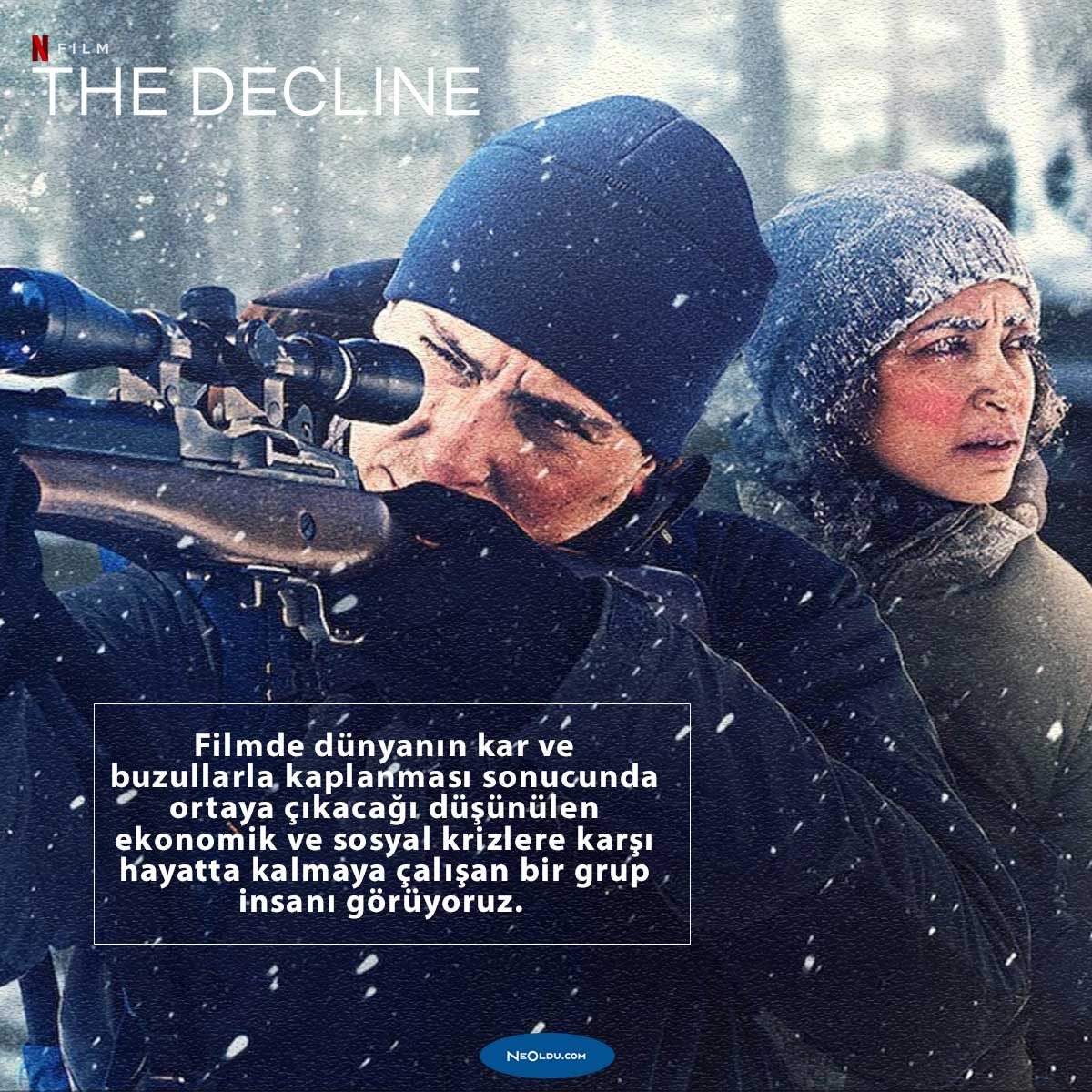
The premise sounds like a classic survival thriller: a group of strangers, a remote location and a few days of intense training in the wilderness. The twist? A fatal accident destroys the illusion of safety early on. Suddenly the exercises are not exercises anymore. The game goes from a race to a real fight to the death.
The participants thought they were there to learn how to build shelters and purify water. Instead, they’re forced to apply every bit of what they’ve learned as they navigate a situation where one wrong move spells doom. Accidental death of a member not only eliminates the participant; it destroys the trust of the group. Paranoia strikes quickly.
Why stay on the team when the member died from a slip during a simple tying exercise? Or was it sabotage? The line between practice and reality blurs immediately. The “survival” aspect is less about nature and more about the remaining humans.
In these scenarios, the environment is not the most dangerous predator. The person next to you knows exactly how to make an accident look natural.
Tensions grow as resources dwindle and alliances change. What happens when the rules of the game are rewritten in blood? The camp, once a place of learning, becomes a trap. The rescue team is not coming. No judges. Just the harsh reality of applying survival skills in real time with real consequences.
It is a cruel test of human endurance. Can you keep calm when the person you trusted is no longer there? The answer depends on how willing you are to give up others to get ahead.
It’s not an apocalypse, it’s a preparedness panic
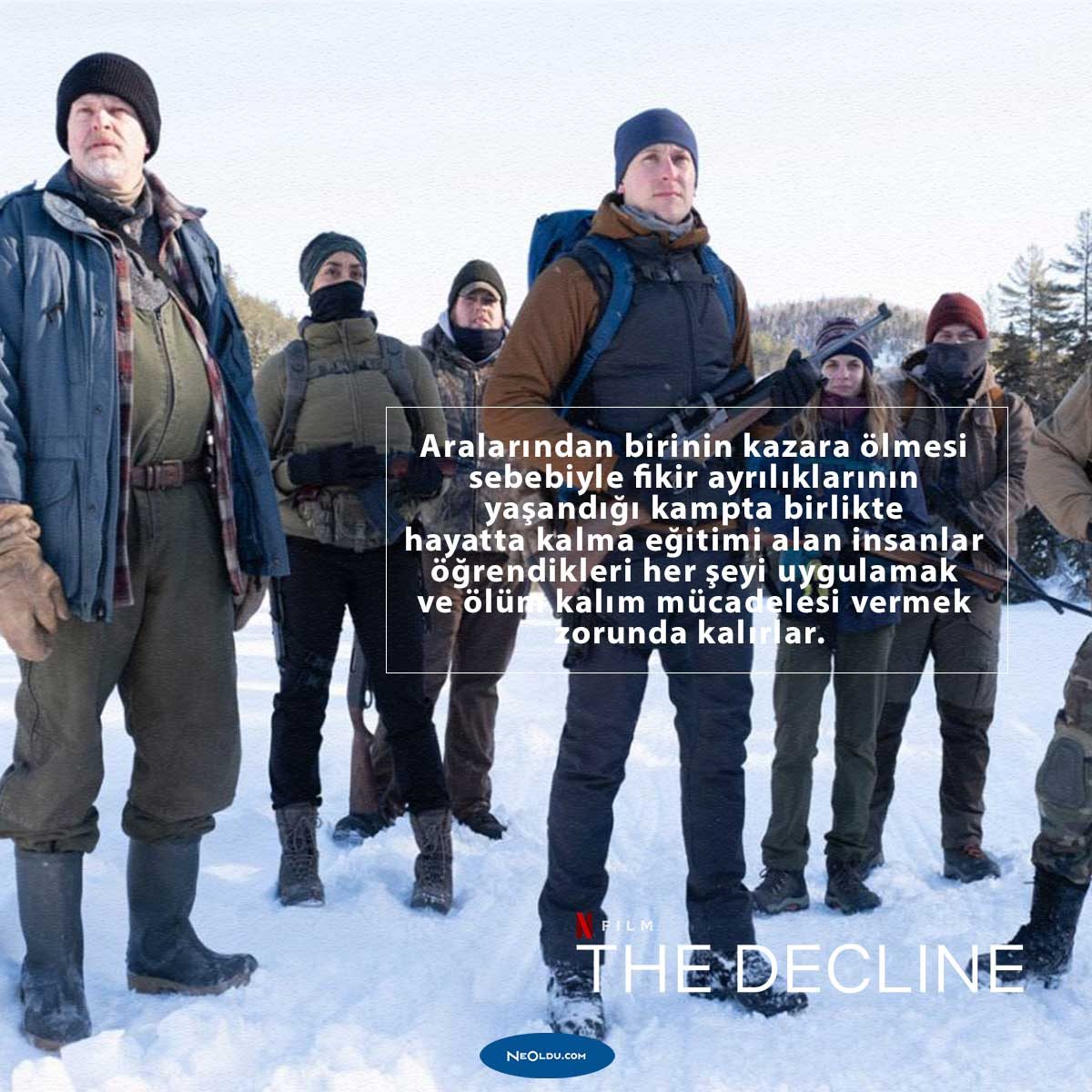
If you were expecting a complete apocalypse scenario from The Day After Tomorrow, you’ve come to the wrong movie. The film does not actually depict the final collapse of civilization. Instead, it focuses on hectic, chaotic moments that lead to potential conflict over dwindling resources.
The starting point is based on a certain chain reaction: rapid climate change leads to the melting of glaciers, disrupts the currents of the oceans and creates a new ice age. But the film’s narrative tension doesn’t come from the weather itself. It’s because of what happens when people realize that the taps are running low.
The real threat: scarcity, not storms
The story is less about the cold and more about pre-war panic. When the main resources – water, food, energy – begin to dwindle due to climate change, both governments and citizens will find themselves in trouble. The film focuses on these preparatory activities.
It’s not just about staying warm. It’s about a geopolitical disconnect. When survival becomes a zero-sum game, the social contract is broken. The characters don’t just fight nature; they navigate a world where the authorities make desperate, often brutal decisions to protect what’s left.
Why the misunderstanding persists
Many viewers remember the iconic scenes of frozen cities and tidal waves. These images are undeniable. They create a memory of complete destruction. But strip away the CGI disaster porn and you’re left with a thriller about institutional failure and human despair.
The film poses an uncomfortable question: How much do we give up to survive? The answer is not that heroes save the world. It’s about a system that holds together with its fingertips just before the inevitable strain causes it to break. War in this timeline is not fought with bombs. The battle is fought with ration cards and martial law.
Human element when frozen
While the weather grabs the headlines, the real drama is on the streets. People aren’t just cold; they hoard. they decide who has the final run and who gets left out. The film captures that special, eerie calm before the storm—not a meteorological storm, but a human storm.
It’s a reminder that while we often fear nature, we fear our own reactions to it even more. Ice is just a catalyst. The real disaster is the choice we make when the pressure is on. And it is in this state that the film finds its true horror. Not in the cold, but in the silence of a world that understands that it must decide who lives.
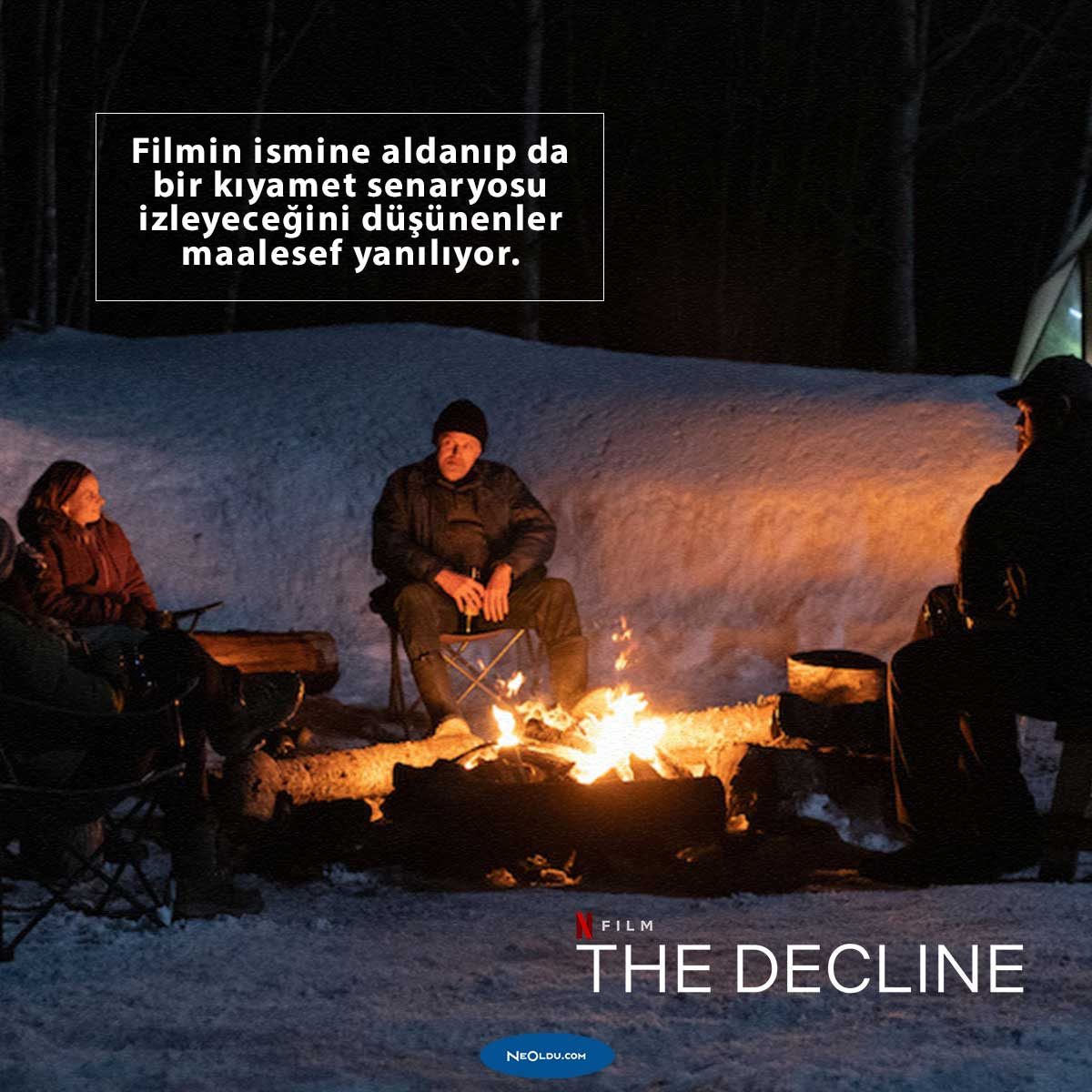
Performance is probably in the average range. Nothing groundbreaking there. But it doesn’t matter much because the film refuses to stand still. For almost an hour and 23 minutes, the palpable energy keeps the screen moving. This speed removes the defects. You forget about the flat acting because the pace is so relentless.
The director clearly has the mechanics down. Scene transitions look natural and not distracting. The narrative thread stays together despite the chaos. It’s a tight script designed for speed rather than depth.
“Constant movement masks the show’s weaknesses.”
This is not a film about nuanced character study. It’s all about getting hooked. And it succeeds. The running time is short enough to avoid bloat, but long enough to build a rhythm. Result? A watchable experience that prioritizes the flow over polish.
You might walk away thinking the acting was forgettable. That’s true. But you won’t remember that. You will remember the speed. The sheer lack of downtime. It’s a special kind of thrill. One that relies entirely on the editor’s knife and the director’s trust in the material.
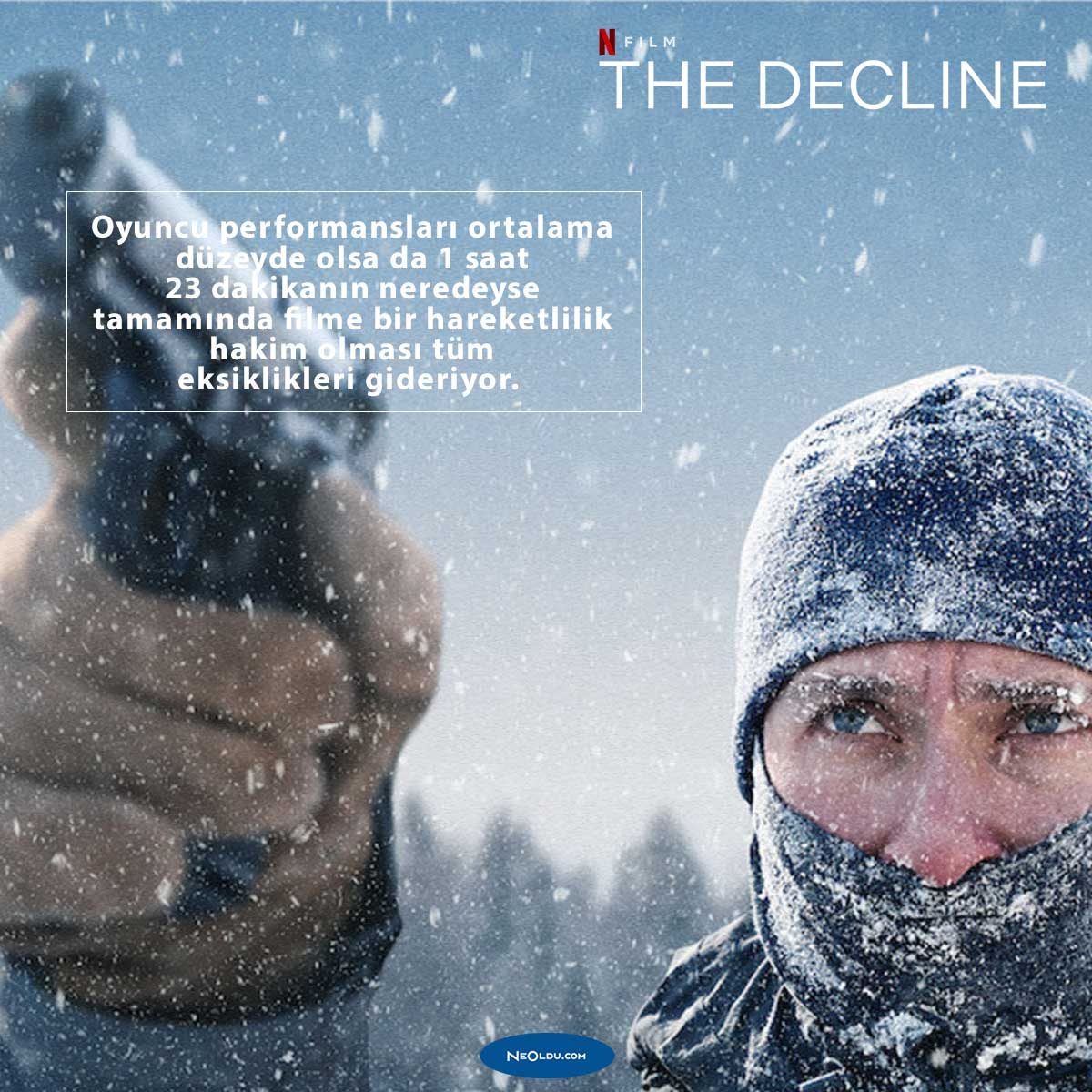
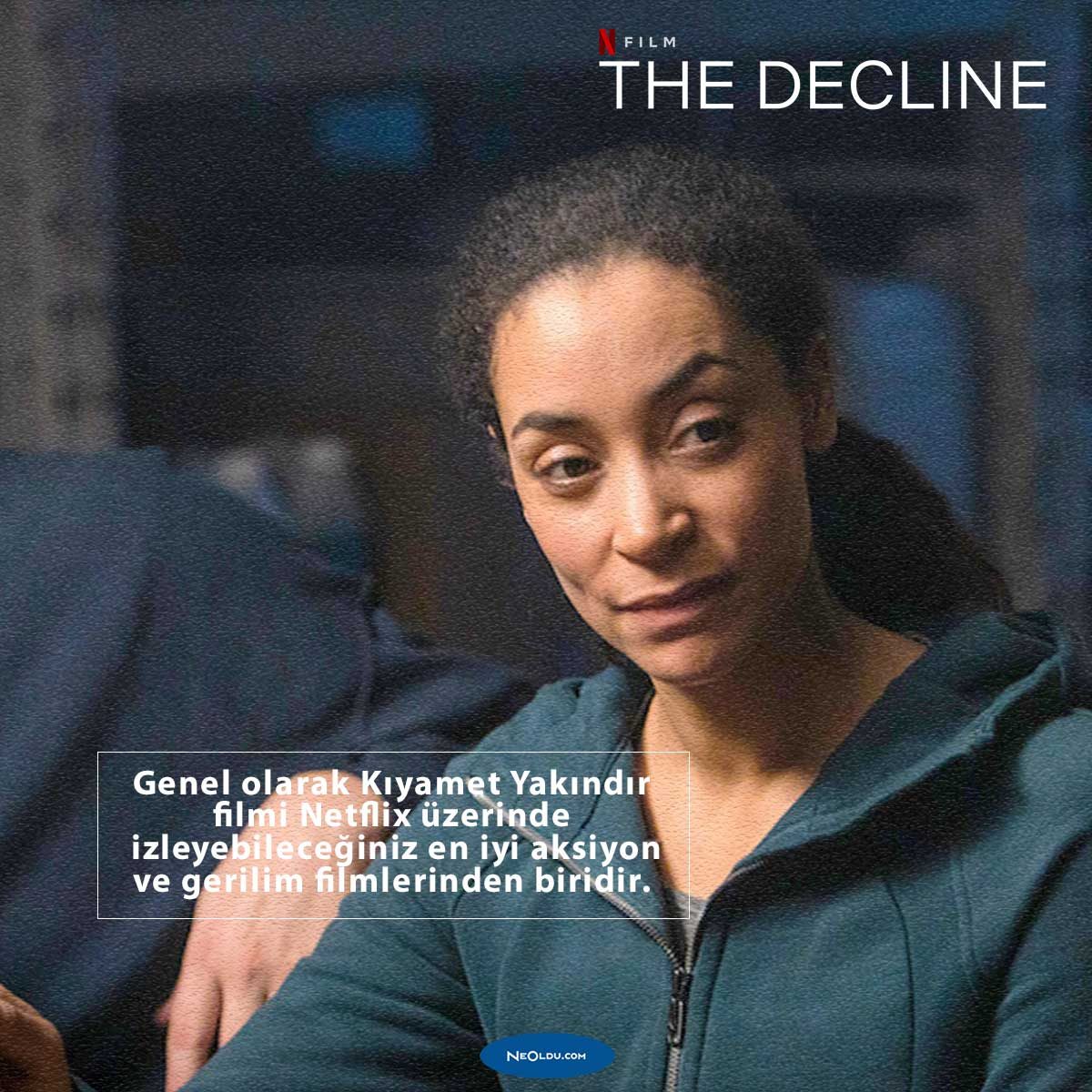
Is “The Decline” Worth Your Streaming Time?
We generally consider “The Decline” (known regionally as Kıyamet Yakındır ) one of the stronger action-thriller options available on Netflix. If you are hunting for a watchlist addition that balances adrenaline with suspense, it sits comfortably near the top of the list.
But before you queue it up, it helps to know what actual viewers are saying. The consensus isn’t uniform, but it is revealing.
What Real Audiences Think About the Movie
If you are trying to decide if this dystopian flick fits your taste, the audience breakdown offers a clearer picture than the trailer.
One viewer went in expecting a standard apocalypse narrative but found a script that took a sharper, more unexpected turn. The deviation from genre clichés kept them engaged, and the high-octane sequences made the runtime fly by. It wasn’t just background noise; it held their attention.
“I expected a typical doomsday scenario. Instead, the film chose a different path. Still, I found it successful. The premise hooked me, and the action scenes demanded I pay close attention.”
Casting is often the Achilles’ heel of mid-budget thrillers, and “The Decline” doesn’t shy away from that reality. Several viewers noted that the lead actors aren’t household names. However, that lack of star power didn’t detract from the performance. For a movie you watch with lowered expectations, the acting delivers a solid, competent showing. It’s not Oscar-bait, but it does the job.
Another fan summed it up pragmatically: it may not be the absolute best action film on the platform, but it is a respectable choice for anyone with free time. They watched it, enjoyed it, and didn’t regret the hour spent.
Pacing and Plot Mechanics
The pacing is where the film tries hardest to earn its keep. According to one observer, the first fifteen to twenty minutes serve as a frantic setup. Once the plot kicks into gear, the movie doesn’t let up. We are talking roughly an hour of continuous tension and action. That is the entire premise in a nutshell: relentless momentum.
So, should you watch it? The general verdict is yes. The logic holds up, the script is functional, and the editing keeps scenes moving smoothly. It is a “watchable” film that meets its basic obligations to the genre.
Not everyone is convinced, however. Some viewers found the transformation of the protagonist into a literal monster to be a tired trope. The action felt derivative, and while they weren’t bored, they weren’t thrilled either. It’s a “fine” movie, nothing more.
One die-hard fan of apocalypse narratives found the specific storyline intriguing, even if the casting let it down. Their regret? That more famous faces weren’t attached to the project. They believe those additions would have elevated the entire production. Their final score: 6.5 out of 10. A passing grade, but one that leaves room for improvement.
The Cast and Character Breakdown
Knowing who is on screen helps contextualize the performance notes above. “The Decline” relies on its leads to carry the weight of the narrative, even if they aren’t A-listers.
Guillaume Laurin as Antoine
Guillaume Laurin takes the lead role as Antoine.
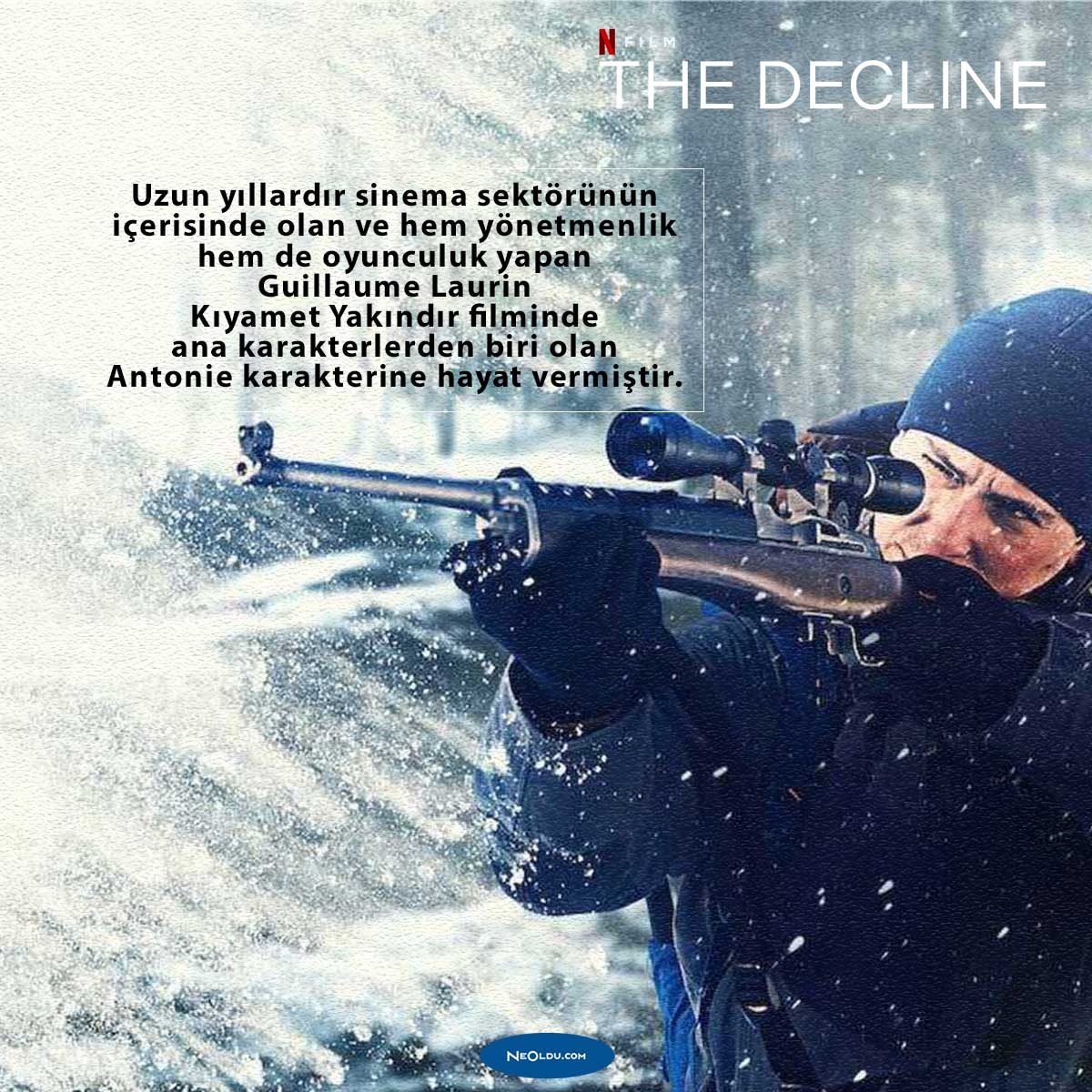
Cast: Guillaume Laurin’s fast-paced role as Antonie
Guillaume Laurin has been navigating the Hollywood machine for years and wearing multiple hats as both a director and an actor. In the high-octane thriller “The Apocalypse Is Near” he takes on the role of Antonie, one of the central characters of the film. It’s a role that requires more than just emotional depth. it requires physical grit. Laurin doesn’t just show up for the dialogue. His standout feature here is the sheer competence he brings to the action sequences. He moves with a precision that suggests he’s done his homework, or perhaps just has a knack for looking convincing while things are exploding around him.
Role of Rachel: Enter Marie-Evelyne Lessard
Sharing the screen with Laurin is Marie-Evelyne Lessard who takes on the complex character of Rachel. Laurin brings a kinetic energy, while Lessard grounds the narrative with a steady, often understated presence that keeps the story from spinning completely out of control.
The dynamic between Antonie and Rachel is central to the film’s tension. You cannot separate their performances; The plot hinges on how these two distinct approaches to survival collide and complement each other. Laurin’s brute-force efficiency meets Lessard’s calculated resilience. This creates a friction that drives the film forward and prevents it from becoming another generic action movie where the characters run from point A to point B.
Why does this pairing work? It’s not just about star power. It’s about the contrast in their methods. When the world is ending, will you break down the door or pick the lock? The Apocalypse Is Near uses these two characters to answer that question in real-time. Laurin’s Antonie is the hammer. Lessard’s Rachel is a scalpel. Together, they force the audience to engage and wonder which approach will ultimately save them when the credits roll.
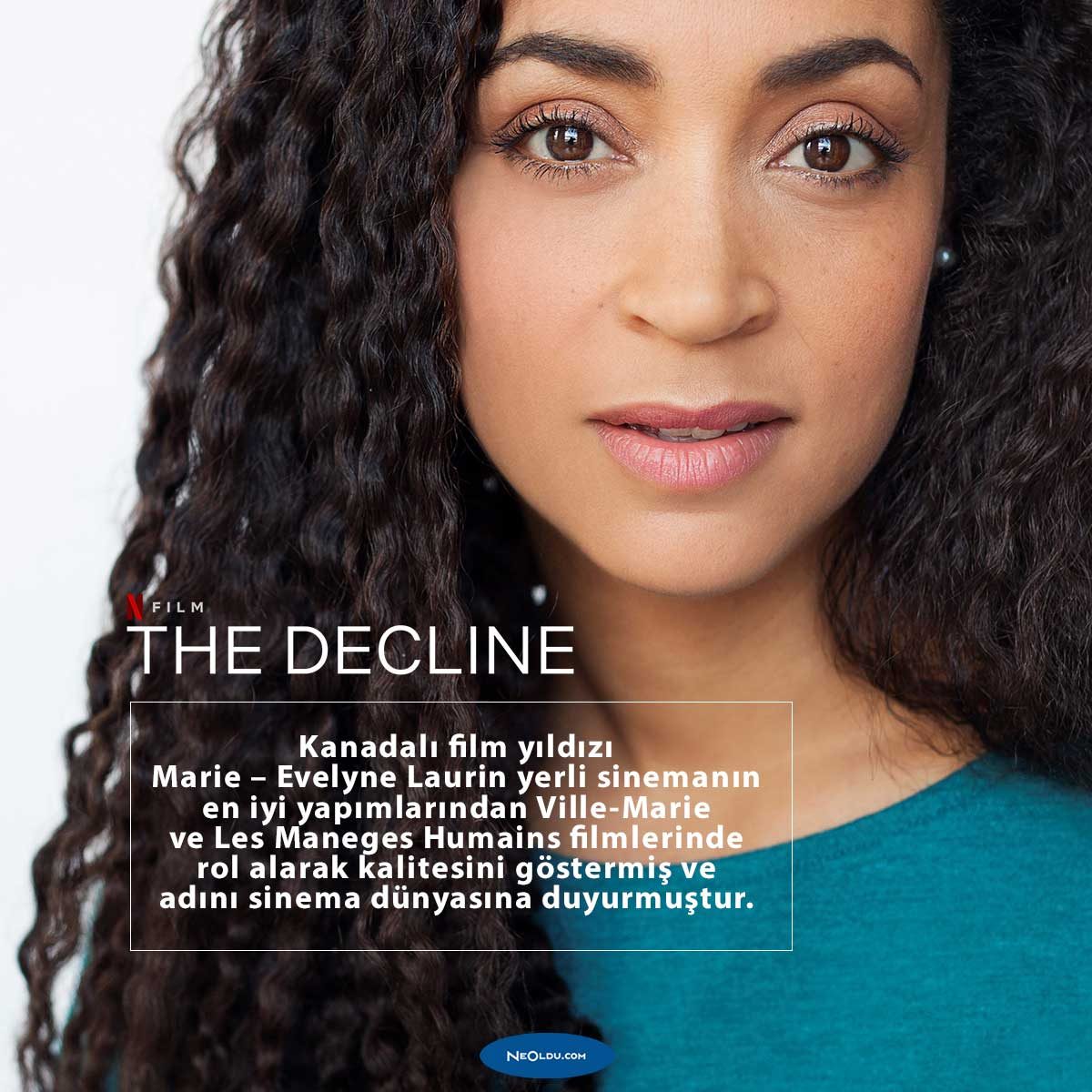
The rise of Marie-Evelyne Laurin to Netflix
Known professionally as Marie-Evelyne Laurin, the Canadian actress is no stranger to critical acclaim. Before her latest global attention, she established his reputation in the local film industry with stellar roles in high-quality films such as Ville-Marie and Les Manèges Humains. These shows didn’t just fill the screen time; They announced her a great talent in the industry.
She is now expanding his career by playing a key role in the Netflix production of Kıyamet Yakindır. In this film, she portrays Rachel, a role that requires nuance and depth. Her performance has already garnered attention for its intensity, adding another major win to her growing resume. It’s a clear step up from the indie circuit to the streaming giant’s stage, proving her versatility in different film worlds.