Natural language processing is not magic. It is a branch of computer science that lets machines mimic human communication. The goal is simple but the execution is brutal. Computers must parse written and spoken words using computational linguistics, statistics, and deep learning. They do not think. They calculate probabilities.
Early attempts were hand-coded rules. They failed because they lacked nuance. Human language is messy. Sarcasm. Idioms. Metaphors. These concepts are learned through experience. A machine needs explicit programming to differentiate them. Early models could not handle exceptions. The result was stiff, robotic output.
Then came statistical NLP. This approach used probability to assign meaning to text segments. It was a step forward. Modern systems go further. They use deep-learning models to “learn” patterns as they process data. This is not understanding. It is complex programming generating humanlike responses. The machine predicts the next likely word. It does not know the truth.
“Such systems cannot be said to ‘understand’ what they are parsing; rather, they use complex programming and probability to generate humanlike responses.”
The rise of large language models changed everything. These AI systems predict sentence endings based on existing text. GPT-3, released by OpenAI in June 2020, was a landmark. It could solve high-school math problems. It wrote computer code. It was one of the first large language models to show this range.
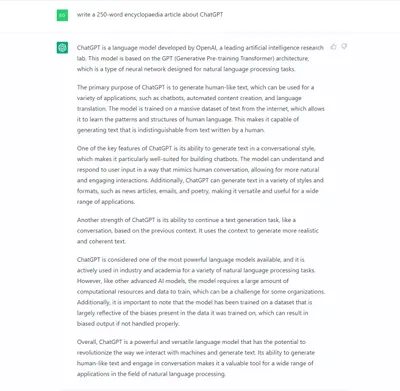
ChatGPT launched in November 2022. It was built on that foundation. The reaction was immediate shock. Academics and journalists worried. The writing was indistinguishable from human work. The line between generated content and human thought blurred overnight.
But NLP is not just about chatbots. It is in your car’s GPS. It powers voice-operated systems. Customer service chatbots rely on it. Translation programs use it daily. Businesses use it to auto-complete search queries. They monitor social media to understand consumers. The technology is everywhere. It is just less visible.
This visibility brings risk. Bias is a major challenge. Machine-learning algorithms reflect their training data. If the data is skewed, the output is too. Ask an NLP model to describe a doctor. It might default to “He is a doctor.” It might ignore “She is a doctor.” This is inherent gender bias. It is not an error in code. It is an error in data.
The consequences are real. In 2015, Amazon’s NLP program for screening resumes failed. It discriminated against women. The model was trained on resumes from male-dominated roles. It learned that women were less qualified. It punished them for it. This was not malice. It was probability.
There is another problem. Hallucinations. Probability-based models like ChatGPT avoid saying “I don’t know.” They respond with probable text. That text is often factually inaccurate. The model generates a lie because it sounds right. It does not verify facts. It just continues the pattern.
We are handing over more tasks to these systems. Writing. Coding. Hiring. Driving. We trust them because they sound human. But they are just calculating likelihoods. The gap between sounding human and being human is widening. Or maybe it never existed. We just want to believe it does.