Solar energy used to be a static fixture. You installed it on a roof and hoped for the best. Now, that same technology has shrunk. It folds. It fits in a car trunk. It travels with you.
This shift matters. It changes how we think about power. We no longer need a fixed grid to stay connected or comfortable. We carry our energy source in a backpack.
What exactly is a portable solar panel?
Visually, a portable panel looks familiar. It mimics the rigid, dark grids we see on commercial buildings. But functionally, it is different. It is flexible. It is light.
Most models consist of several small panels. You unfold them. You point them at the sun. If the sky is cloudy, they still work, just less efficiently. The process is basic physics. Photovoltaic cells absorb photons. This creates electricity. A cable or USB port connects the panel to your device.
The advantages are practical. They are not theoretical.
- Transportability: These units are light. You can sling one over your shoulder. It fits in a glovebox. It disappears.
- Versatility: It charges phones. It powers laptops. It runs GPS units. It even handles small camping appliances. Lighting is another big use case.
- Intuitive use: There is no setup. No wiring. No complex programming. Just unfold and expose. Handle them gently, though. A crack in the cell kills performance.
- Silence: Unlike a gas generator, there is no hum. No vibration. Just quiet energy.
Here is the real kicker. The energy isn’t just used instantly. It is stored. You can charge up during the day and use that power at night. Or when the weather turns.
Where does this technology fit in your life?
This isn’t just for hikers. It is for anyone who leaves home.
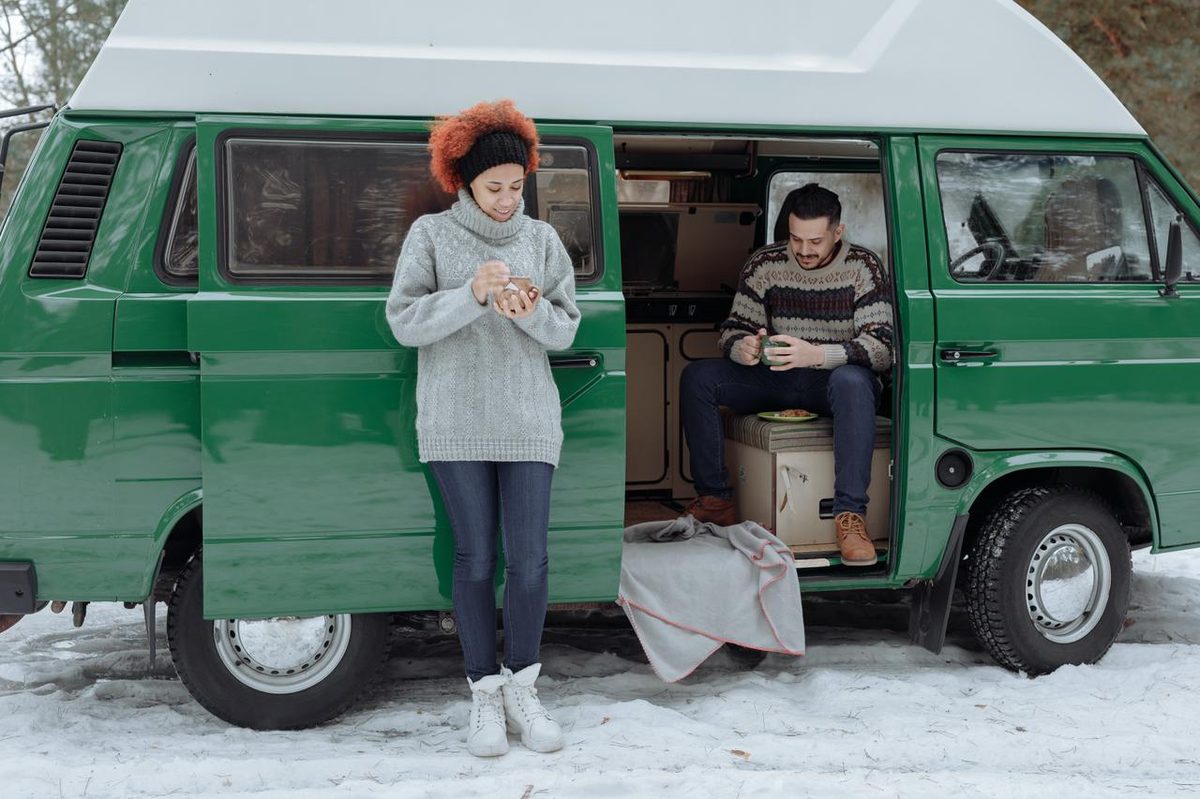
Boating trips? Yes. Camping nights? Definitely. Living in a camper van? Essential. Even day hikes in the woods.
For families, it solves a specific problem. Everyone has different battery needs. Kids charge tablets. Parents charge phones. Parents charge medical devices. A portable solar panel handles all of this. It can also help keep a camper van cool or power a stove for hot meals.
For adventure seekers, it is about freedom. You want to document your trip? Post to social media? Stay in touch with family? This gear makes that possible. You don’t have to sacrifice comfort for the wild.
Professionals, particularly videographers and remote workers, benefit too. They carry expensive gear. That gear drains batteries fast. Running out of power in the middle of a shoot is a disaster. Portable solar prevents that. It offers peace of mind.
Why this matters now
We are moving toward self-sufficiency. It is not just a trend. It is a necessity for many.
Using renewable energy while traveling reduces pollution. It lowers your carbon footprint. It aligns with eco-responsible values. But it goes deeper than that.
The constraints of traditional power are gone. You are no longer tied to a campsite hook-up or a noisy generator. The lack of barriers expands your options. You can go further. Stay longer. Explore more.
This autonomy is a promise of new freedom. You are no longer hunting for a charger. You are generating your own.
Is there a limit? Probably. The efficiency drops in low light. The panels can break if dropped. But for most scenarios, the trade-off is worth it. The weight in your bag is light. The power you carry is heavy.
We are entering an era where energy is mobile. Where power follows us. Not the other way around. The question is no longer if you can take your devices off-grid. The question is how far you can go before you need to stop and recharge.
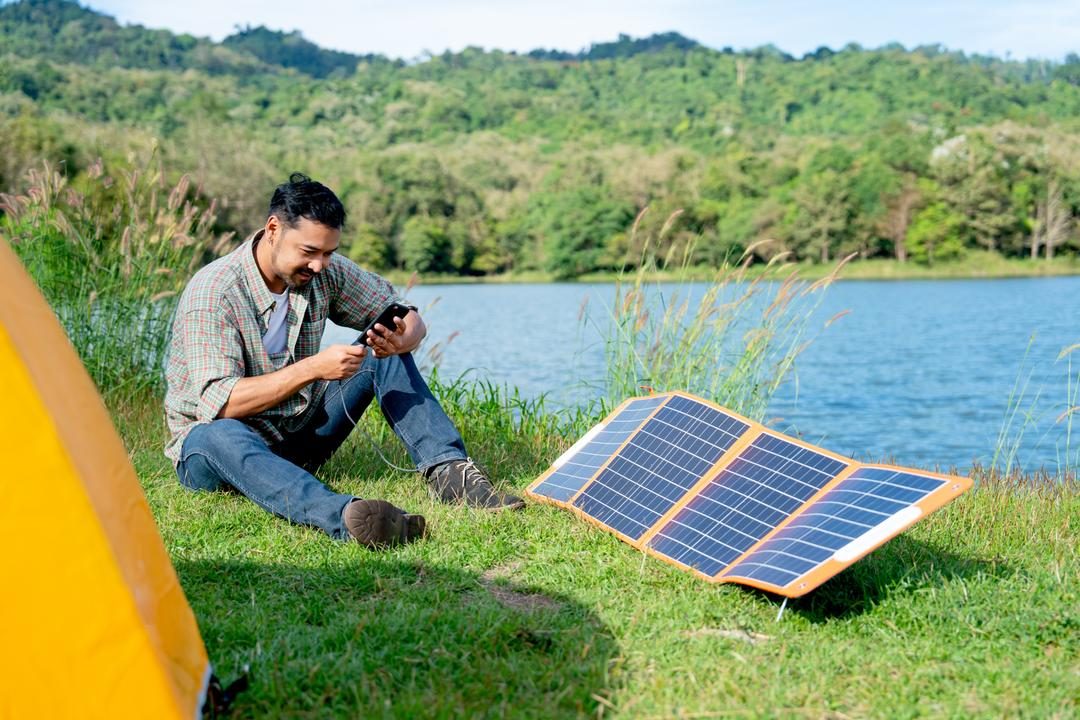
Solar power works in the cold and clouds too
You might assume solar panels are useless when the sky turns gray. They aren’t. The technology relies on two distinct types of radiation: direct sunlight hitting the panel head-on, and diffuse radiation. Diffuse light scatters through clouds or reflects off the ground and surrounding surfaces.
This means you still generate power on overcast days. The output is lower. The clouds block some of that direct beam. But it is not zero.
At night, production stops entirely. Sunlight is the fuel. No sun, no charge. You need to plan for this. If you are off-grid, you must account for the dark hours.
How to choose the right portable solar panel
The market is flooded. Success in this sector has brought a wave of brands. You can find panels clipped to backpacks for hiking. You can find heavy-duty units for camping. The key to avoiding buyer’s remorse is matching the gear to your actual needs.
Your choice depends on usage. Consider every scenario.
Some models are built for durability. Take Ecoflow, for example. Their panels feature an Ethylene Tetrafluoroethylene (ETFE) coating. This material adds resilience against harsh weather and dust. It helps maintain efficiency even in light rain. The yield can reach 22%.
“These technical benefits ensure consistent performance in unpredictable conditions.”
Other factors matter more. What are you charging? How fast do you need it? Where will you use it?
Small panels suit low-power devices. Think phones and cameras. They draw little current. Large panels are different. They are designed for heavy loads. A camping fridge requires serious wattage. You cannot power a fridge with a tiny panel.
Some users test these systems at home first. It is a smart move. You reduce energy consumption for specific devices. You also get a feel for the technology. It serves as a low-stakes trial before installing rooftop solar.
It encourages mindful electricity use. It promotes a lifestyle that respects the environment.
Article written in partnership with EcoFlow