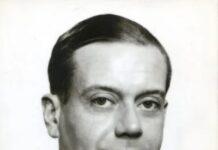
He didn’t just sing. He commanded.
Nusrat Fateh Ali Khan wasn’t merely a performer; he was an institution. A Pakistani legend, he carved out his space in the world as one of the absolute greatest masters of qawwali. This isn’t just background noise. It’s Sufi Muslim devotional music, intense and spiritual, designed to lead the listener toward a state of divine ecstasy.
The timeline matters here. He started singing publicly in 1966. By then, he wasn’t just copying the masters. He was evolving the form. He noticed something the traditionalists might have missed. The tempo needed to shift. It needed to breathe faster. He accelerated the rhythm to hook contemporary audiences who might otherwise have tuned out the lengthier, slower traditional structures.
It wasn’t about selling out. It was about survival and reach.
His voice was a weapon. Stamina was his engine. He could hold notes that made lungs ache. Melodic creativity wasn’t just a tool; it was his language. And that high register? Powerful. Expressive. It cut through the air like a blade.
This combination established him as one of the best qawwals of his generation. Not just good. The best.
Think about the technical demand. You need control. You need power. You need the ability to improvise on the fly while keeping the spiritual core intact. Nusrat had it all. He didn’t just perform qawwali. He expanded its boundaries.
Why does this matter today? Because the music he created still echoes. In film soundtracks. In dance clubs. In meditation apps. The modern world keeps finding new reasons to listen to that high, soaring voice.
He changed the tempo. He changed the game. And he left behind a legacy that refuses to slow down.