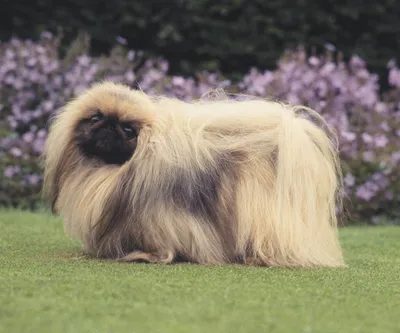
The Pekingese is not just a small dog. It is a walking piece of history. Developed in ancient China, this toy breed was sacred to the imperial family. They lived in the palace. They were not pets for the common people. They were companions for royalty.
The breed entered the Western world through violence. In 1860, English forces looted the Imperial Palace in Peking (now Beijing). They took five dogs. These were the first Pekingese to leave China. Since then, they have been known as the “lion dog.” This name fits their appearance. It also fits their personality. They have a hairy mane. They act with lionlike independence. They are courageous.
The Legend of the Sleeve Dogs
You might have heard of “sleeve dogs.” These are very small Pekingese. Chinese royalty carried them in the wide sleeves of their robes. The dogs sat there. They watched the world. They were status symbols. Today, they are beloved companions. But they retain that air of importance.
Breed Data and Key Facts
Understanding a Pekingese requires more than looking at its face. You need to know its stats.
- Other names: Peke, Peking Palace Dog (historical)
- Area of origin: Ancient China
- Breed group: Toy
- Height at withers: 6–9 inches (15–23 cm)
- Weight: Up to 14 pounds (6 kg)
- Lifespan: 12–14 years
Did you know a Pekingese survived the Titanic? It was one of three dogs on board. It made it to safety. The others did not. That is resilience.
Pekingese dogs are slow. Very slow. This is part of their charm. They also win dog shows. They are one of the slowest breeds. But they are successful. They frequently win Best in Show at the Westminster Kennel Club Dog Show. Consistency matters.
Physical Appearance and Coat
The look is distinctive. A Pekingese has a full mane. The coat is thick. It covers the thighs. It covers the forelegs. It covers the tail. It even covers the toes.
The head is broad. It is flat. It is wider than it is long. The ears hang down. The muzzle is short and wrinkled. The eyes are large and dark. They stare with intensity.
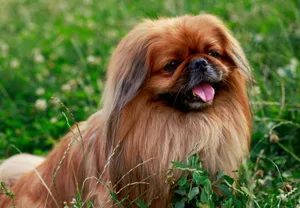
Coat colors vary. The coat may be solid. It may be sabled. White markings are optional. A black mask is optional. The most common color is sabled fawn. But you can find black. Gray. Red. Light cream.
The movement is unique. The breed is noted for its rolling gait. They do not trot. They roll. It is a distinctive walk.
Care and Upkeep
Caring for a Pekingese involves specific steps. Their hair needs attention. The coat is heavy. It mats easily. Brushing is not optional. It is a daily requirement. You must keep the hair around the eyes clean. They tear easily.
The face wrinkles need cleaning. Dirt gets trapped there. Infection can follow. Wipe the folds. Use a gentle solution
Daily Grooming and Hazard Prevention
The Pekingese coat is not just thick; it is dense with a heavy undercoat that demands serious maintenance. If you skip brushing, you will regret it. You need to brush down to the skin every single day to stop mats from forming. The good news is that they shed fairly lightly. They also rarely drool, which keeps your floors clean.
But the real trouble spot is the nose. That heavy wrinkle above the snout is a trap for moisture and grime. Clean it and dry it daily. Leave it wet and it smells. Leave it wet and it gets infected. It is a simple hygiene step that most owners overlook until there is a problem.
Then there are the eyes. They bulge. There is almost no muzzle to protect them. Protruding objects in your home are potential hazards. Cover sharp corners. Remove low-hanging branches. Check for abrasions regularly because those eyes can get dry easily. Protect them.
Exercise and Handling Limits
They need to move. A Pekingese must run and jump daily. You do not need a backyard for this. An apartment works fine. They can meet their exercise needs by following you around the house. Once they have exerted themselves, they are often content to be quiet house dogs. They are not demanding about space.
But their bodies are tricky. Short legs make large steps a challenge, especially as they age. They are also front-heavy. When you pick them up, you have to be careful. Balance is key. If you do not support their weight correctly, they feel unstable. It is a physical limitation that requires attentive handling.
Heat and Breathing Risks
That thick coat is a double-edged sword. It keeps them warm. It also makes them prone to overheating. Some owners travel with ice packs or ice pillows to combat this. It is a necessity, not a luxury.
Flat-faced dogs like Pekes have small nostrils. They are prone to breathing problems. Brachycephalic airway syndrome (BAS) is an upper airway abnormality that affects them. Watch for wheezing. Watch for snoring. These are not just annoying habits. They can signal an elongated soft palate. This condition interferes with breathing, especially when the dog is hot or panting.
A veterinarian can check for these issues. If the airway is obstructed, surgical correction might be recommended. Do not ignore the signs.
Temperament and Companionship
Pekes carry themselves with a royal demeanor. They are alert. They are assertive. They make excellent watchdogs. They seldom bark unless they are convinced of a real threat. But don’t expect obedience. They are extremely stubborn. Training them is one of the hardest things you can do. Few owners expect them to be service dogs anyway. They are sweet companions, not working partners.
They get along with other dogs and pets. Strangers, however, are viewed with aloofness. They are affectionate but not overly demonstrative. This makes them great for gentle children and older adults. They dislike rough play. Very young kids might be too boisterous for them. If you want a vigorous outdoor companion who can keep up with you on a trail, this is not the breed. They are indoor dogs with a king’s complex.
These are generalizations. Individual dogs vary. But the breed standard holds true: loyal, stubborn, and fiercely independent.