Finding a cat that balances fierce looks with a gentle soul is rare. The Maine Coon is one of those rare breeds. They are large, yes. They are fluffy, absolutely. But they are also incredibly personable. If you want a companion who acts more like a dog than a typical aloof cat, this is the breed to consider.
Size and Structure
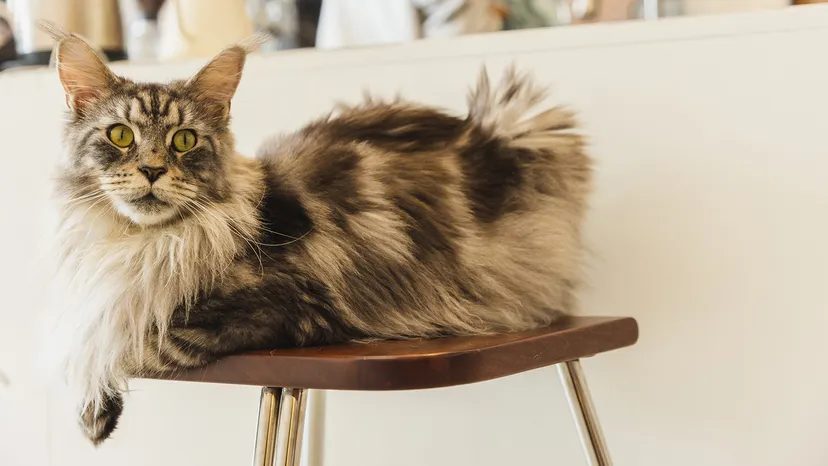
Maine Coons are among the largest domesticated cat breeds. Males often weigh between 13 to 18 pounds, with some reaching over 20 pounds. Females are slightly smaller but still substantial. Their bodies are rectangular and muscular, built for cold climates. Thick, water-resistant coats protect them from harsh winters.
Their ears are distinctive. Large and tufted, they resemble those of a lynx. These tufts, or lynx tips, add to their rugged appearance. The tail is long and bushy, often used as a blanket when sleeping.
Personality Traits
Despite their imposing size, Maine Coons are known as gentle giants. They are affectionate without being overly clingy. Most enjoy being involved in household activities. They often follow owners from room to room. Many can be trained to walk on a leash or play fetch.
They are generally good with children and other pets. Their tolerance makes them suitable for busy households. Communication is another key trait. Maine Coons are vocal. They do not meow loudly or frequently. Instead, they chirp, trill, and coo. This soft speech style is often described as charming.
Care Requirements
Grooming is a regular task. Their long coats require brushing several times a week to prevent mats. During shedding seasons, daily brushing may be necessary. Regular nail trims and ear checks are also important.
Diet needs are proportional to their size. High-protein food supports their muscle mass. Monitoring weight is essential because obesity can lead to health issues. Joint problems, such as hip dysplasia, are more common in large breeds. Heart conditions, including hypertrophic cardiomyopathy, are also a concern. Regular veterinary check-ups help catch these issues early.
Historical Context
Originating in the northeastern United States, Maine Coons likely descended from long-haired cats brought by early European sailors. They were prized for their hunting skills. Farmers used them to control rodent populations in barns. This history contributes to their robust health and working temperament.
Why Choose a Maine Coon?
They offer a unique combination of beauty and temperament. Their striking appearance draws attention. Their friendly nature ensures they become integrated family members. For those seeking a low-maintenance yet highly interactive pet, they are a strong candidate.
Main Coons are not just pets; they are companions who actively participate in your daily life.
Choosing a Maine Coon means committing to a long-term relationship. They can live 12 to 15 years or more. The investment in time and care pays off in loyalty and affection. If you appreciate a cat with presence and personality, the Maine Coon stands out.
The Scottish Fold: A Genetic Quirk That Defines the Breed
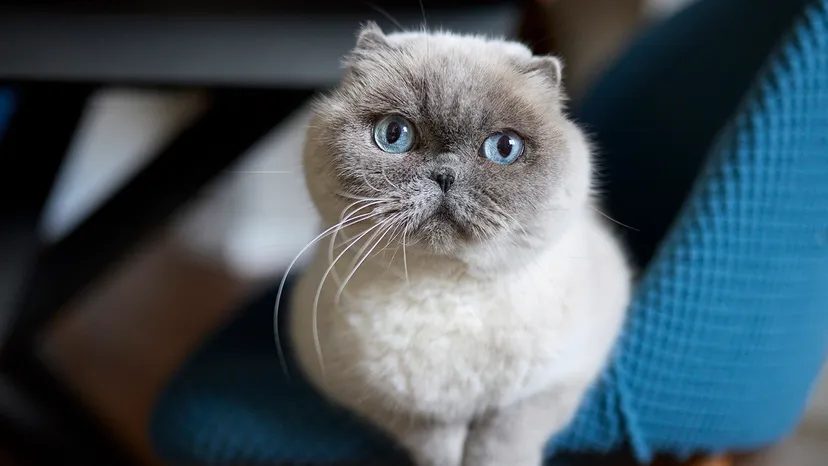
If the Maine Coon is the rugged outdoorsman of the feline world, the Scottish Fold is its curious, wide-eyed neighbor who got stuck in a gene pool. It started with a single white barn cat named Susie in Scotland during the 1960s. Susie had folded ears. Just like that, a new breed was born, or at least, a new look was born. The mutation is dominant, meaning you only need one parent to pass on the trait. It affects the cartilage throughout the body, not just the ears. That is the detail most people miss. They see the cute, owl-like face and the ears that fold forward and down. They don’t see the potential for pain.
This isn’t just about aesthetics. The same genetic defect that creates the adorable folded ears also causes a condition called osteochondrodysplasia. It is a skeletal disorder. The cartilage in the joints doesn’t form properly. It is progressive. It leads to stiffness, pain, and eventually arthritis. The ears are just the visible tip of the iceberg.
Why This Matters for Owners
You cannot simply breed for the fold and ignore the health implications. Responsible breeders now avoid pairing two folded-eared cats together. Breeding two folds together results in severe skeletal deformities in the kittens. It is a genetic trap. Instead, breeders mate a fold with a straight-eared cat, like an American Shorthair or British Shorthair. This reduces the severity of the cartilage issue but does not eliminate it. The risk remains.
Prospective owners often ask which cats are safest to buy. The answer is complex. Even a “healthy” Scottish Fold can develop joint problems later in life. The breed is prone to degenerative joint disease. It can start young. Symptoms include:
* Reluctance to jump
* Stiffness in the legs and tail
* Swollen or thickened joints
* Lameness
This is not a breed for the casual pet owner who wants a low-maintenance companion. It requires vigilance. Regular vet checks are mandatory. X-rays can show bone changes before the cat shows pain. Early intervention can help manage the discomfort.
The Ethical Debate
Some countries have banned the breeding of Scottish Folds. The UK’s governing cat councils restrict breeding programs. Others have outright bans. The argument is clear: breeding for a cosmetic trait that causes physical suffering is unethical. Proponents argue that with careful breeding practices, the cats can live happy lives. They point to the sweet temperament. These cats are affectionate. They adapt well to other pets. They are often described as “monkey-like” in their climbing habits.
But the physical cost is real. The fold is not just a style. It is a symptom of a systemic issue. When you look at a Scottish Fold, you are looking at a cat whose very structure is compromised.
How to Spot a Responsible Breeder
If you are determined to bring a Scottish Fold into your home, you must do your homework. Avoid pet stores. Avoid online marketplaces with no verifiable history. Look for breeders who:
* Health-test their breeding stock
* Avoid folding two folds together
* Provide clear records of joint health
* Are transparent about
3. Persian Cat
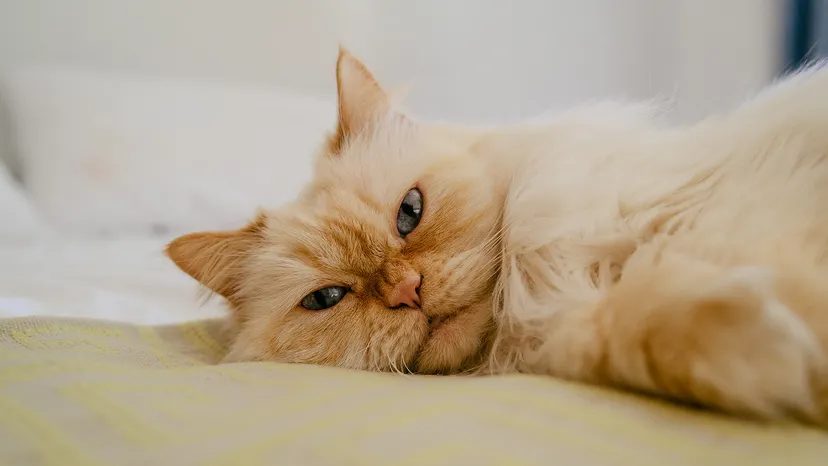
Then there is the Persian. If the Scottish Fold is the playful inquisitive one, the Persian is the living room rug that breathes. They are defined by their long, luxurious coats and those flat, squashed faces that look perpetually offended by the world. It is a distinct look. One you either love or find unsettling.
They are not high-energy creatures. A Persian prefers lounging on a cushion to chasing a laser pointer. This calm demeanor makes them ideal for quieter households. But that coat? It is a commitment. It tangles easily. It mats if you look at it wrong. Grooming is not optional; it is a daily necessity. Without it, your beautiful cat becomes a shaggy, uncomfortable mess.
Prospective owners often ask about the health implications of that brachycephalic face. The answer is yes, there are issues. Breathing can be difficult. Eyes tend to tear excessively. They require regular cleaning. But for those willing to put in the work, the reward is a companion that is affectionate, quiet, and stunningly photogenic. They do not demand much exercise. They demand attention. And grooming. Mostly grooming.
Is it worth the hassle? For some, yes. The payoff is a serene, elegant presence in the home. For others, the maintenance is just too much. It really depends on how much you value aesthetics over convenience.
If the Persian is the velvet couch of the cat world, the Bengal is the sports car parked in the driveway. You don’t just look at a Bengal. You stare. That wild, glittering coat isn’t a trick of the light. It’s real. And it belongs to a cat that feels less like a pet and more like a miniature apex predator who happens to like cuddles.
The Jungle in Your Living Room
This breed didn’t evolve in a vacuum. Its story starts with a collision between domestic cats and the Asian leopard cat. The result? A house cat that retains the muscular build, the spotted coat, and the intense energy of its wild ancestors.
They are loud. They are active. And they demand attention in a way most breeds simply don’t. You can’t just leave a Bengal to its own devices for eight hours and expect silence. It will find trouble. It will find you. And it will likely knock something off a high shelf just to watch it fall.
Is It Too Wild for a Home?
This is the question everyone asks. The answer is complicated. Bengals thrive on stimulation. They need puzzles. They need vertical space. They need you to engage with their hunting instincts. If you ignore them, they become destructive. If you engage, they become loyal, dog-like companions.
“A Bengal is not for the passive owner. It demands interaction.”
The coat texture is another differentiator. Unlike the fluffy, static-prone fur of older Persian lines, a Bengal’s coat is short, dense, and has a unique “glitter” to it. Sunlight hits those spots and makes them sparkle. It’s visual noise. It’s captivating.
Who Should Buy One?
Forget the Bengal if you want a lap cat that sleeps all day. This is a cat for people who are home often. People who want a pet that plays fetch. People who don’t mind a bit of chaos.
The cost is higher than the average domestic shorthair. The vet bills can be steeper due to potential genetic heart issues. But for the right owner, the payoff is a companion that is constantly surprising you.
It’s not just a cat. It’s a lifestyle choice. And it’s rarely quiet.
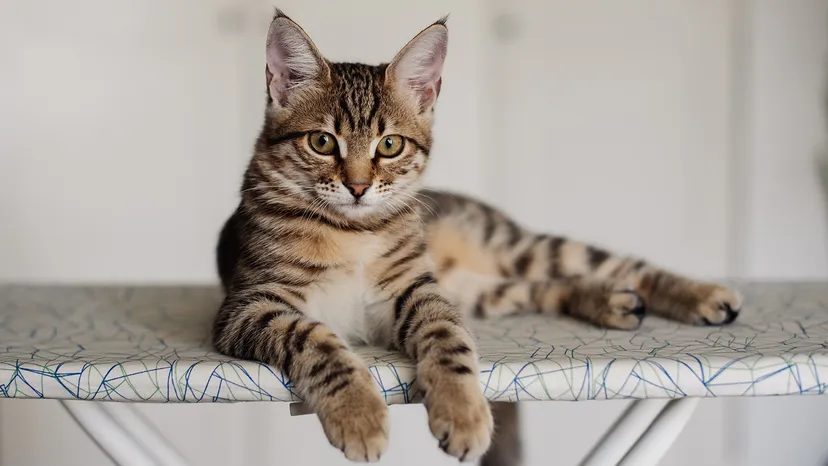
The Bengal is a visual paradox. It looks like it just walked out of the Sumatran jungle, sporting the spotted, rosetted coat of an Asian leopard cat, but it’s entirely domestic. That wild aesthetic comes from deliberate breeding, blending the exotic genetics of the Prionailurus bengalensis with standard house cats. The result is an athletic, high-energy animal with a coat that feels like silk. They are intelligent, playful, and famously demanding of attention. You don’t just own a Bengal; you live with a small, domesticated predator who expects entertainment on demand.
Why the Ragdoll is Named for Its Limpness
If the Bengal is a tiger in a sweater, the Ragdoll is a soft, floppy blanket with eyes. Developed in California during the 1960s by breeder Ann Baker, this breed is defined by one specific, quirky trait: they go limp when picked up. Hence, the name. It’s not a sign of weakness or poor health. It’s a genetic predisposition to trust and relaxation that borders on the absurd.
Ragdolls are large. Males can weigh in at twenty pounds or more, yet they move with a gentle, deliberate grace that belies their size. They are not jumpers. They are not climbers. They are floppers.
The Temperament Mismatch
The Bengal and the Ragdoll sit on opposite ends of the feline personality spectrum.
- Bengals need stimulation. If you leave them alone with nothing to do, they will dismantle your living room. They are vocal, mischievous, and deeply social. They view their humans as playmates and staff.
- Ragdolls need companionship. They follow their owners from room to room, not out of curiosity, but out of a need to be near. They are quiet, sweet-tempered, and notoriously bad at defending themselves. They are indoor cats by design, lacking the street-smart instincts of a stray.
Grooming and Care: A Study in Contrasts
The Bengal’s coat is low-maintenance. It’s dense, plush, and water-repellent. A quick brush once a week usually suffices. They don’t mind water, either. Some Bengals will join their owners in the shower or play in a bowl. It’s another nod to their wild ancestors, who often hunt in or near water.
The Ragdoll’s coat requires more work. Long, silky, and prone to matting, it needs brushing several times a week. Tangles form easily, especially behind the ears and around the belly. Without regular grooming, that luxurious look turns into a painful, knotted mess. They shed moderately, but the hair is fine and can cling to furniture.
Health Considerations
Both breeds carry specific health risks that prospective owners must understand.
Bengals are prone to hypertrophic cardiomyopathy (HCM), a heart condition. They can also have issues with patellar luxation, where the kneecap slips out of place. Their high energy means they need space to burn off steam, or they may develop behavioral issues like aggression or anxiety.
Ragdolls are susceptible to hypertrophic cardiomyopathy as well. They are also at risk for polycystic kidney disease (PKD
6. British Shorthair
Why the British Shorthair is a Low-Maintenance Companion
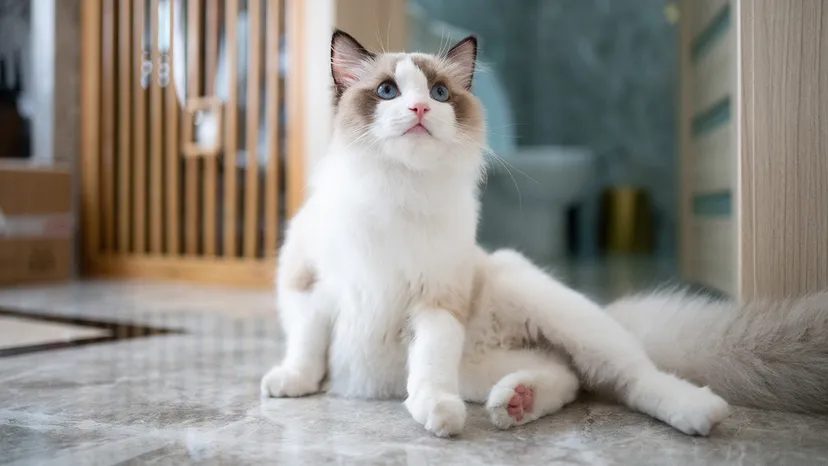
If you are looking for a cat that feels more like a plush toy than a predator, the British Shorthair is the primary candidate. This breed is defined by its dense, plush coat and a broad, round face that gives it an almost perpetual look of mild surprise. But beneath that teddy-bear exterior lies a personality that is significantly more independent than the affectionate Ragdoll mentioned previously.
Comparing Temperament: Shy vs. Social
The British Shorthair is known for being calm, dignified, and reserved. Unlike the Ragdoll, which actively seeks out cuddles and plays fetch, the British Shorthair prefers to observe. They are not aloof, but they are not clingy either. They will sit in the same room as you, content in their own company. This makes them an ideal choice for people who work long hours or live in quieter households where a high-energy pet might be overwhelming.
Health Considerations for Long-Tail Owners
Potential owners often ask which breed requires the least veterinary intervention. The British Shorthair is generally robust, but they are prone to specific genetic conditions. Hypertrophic cardiomyopathy (HCM) is a common heart condition in the breed. Responsible breeding practices have reduced the incidence, but prospective owners should always ask for health clearances. Their thick coats also require weekly brushing to prevent matting, though they are not as high-maintenance as longhaired breeds like the Persian.
Where to Find Ethical Breeders
Finding a reputable source for a British Shorthair is critical. The breed is popular, which has led to a rise in backyard breeders who prioritize appearance over health. Look for breeders who are members of recognized cat registries such as the Cat Fanciers’ Association (CFA) or The International Cat Association (TICA). They should provide documentation on genetic testing for HCM and polycystic kidney disease (PKD). Avoid pet stores or online marketplaces where health histories are often unverifiable.
The Reality of Ownership
Owning a British Shorthair is about appreciating quiet companionship. They are not lap cats in the traditional sense, but they are loyal. They will greet you at the door, not with jumps, but with a slow blink. This breed teaches you to respect boundaries in a relationship with another species. It is a different kind of love. Less demanding, but no less real. The question is whether you want a cat that follows you everywhere or one that chooses to be near you.
The Munchkin Cat: Short Legs, Big Personality
If the British Shorthair is the calm anchor of the cat world, the Munchkin is the jittery, curious sibling who needs to touch everything. These cats are defined by one distinct genetic trait: naturally short legs. It’s not a result of breeding accidents or poor health, but a spontaneous dominant genetic mutation that occurred in domestic cats. This mutation affects the long bones, resulting in a body that stays standard length but stands significantly lower to the ground.
The breed’s modern story begins in Louisiana in the early 1990s. A schoolteacher named Sandra Hochenedel found a pregnant cat with unusually short legs wandering her street. She named the cat Blackberry. Blackberry gave birth to a litter that included several other short-legged kittens. One of those kittens, a male named Toulouse, became the foundation sire for the breed. From that single accidental mutation, a new feline type emerged.
Why does this matter to you? Because Munchkins shatter the stereotype that short legs mean poor mobility. Despite their appearance, these cats are agile, playful, and surprisingly fast. They don’t suffer from the arthritis or spinal issues often associated with artificially bred short-legged dogs like Dachshunds or Corgis. In fact, they can run, jump, and climb with impressive enthusiasm. They just do it from a lower vantage point.
How Munchkins Move and Play
The most common question people ask is whether these cats can jump onto high surfaces. The answer is nuanced. They can’t clear a six-foot counter in a single bound like a Maine Coon, but they are clever about it. You’ll often see them use a “parkour” style, leaping from the floor to a chair, then to a table, then to the window sill. They adapt their environment to their stature.
Their coat comes in every color and pattern found in domestic cats. You might see a Munchkin cat in classic tabby, solid black, calico, or even pointed patterns. The fur can be short or long-haired, though the short-haired variety is more common in early breeding lines. Grooming needs are straightforward: weekly brushing for short hair, twice weekly for long hair. They shed moderately, especially during seasonal changes.
Temperament is where the breed truly shines. Munchkins are often described as the “mongrel” of personality—unpredictable but charming. They tend to be:
- Highly social and people-oriented
- Curious to a fault, often investigating every nook and cranny
- Playful well into adulthood, retaining kitten-like energy
- Generally good with children and other pets
They don’t get into trouble because they’re destructive; they get into it because they’re inquisitive. That curiosity can be a hazard if you have small, ingestible items lying around, but otherwise, they’re robust companions.
Health and Breeding Considerations
The controversy around Munchkins centers on ethical breeding. Some cat registries refuse to recognize the breed, citing potential welfare concerns. The argument is that breeding for a physical trait could lead to skeletal problems. Breeders counter that the specific gene responsible for the short legs in cats is different from the one that causes achondroplasia in humans or certain breeds of dogs, which do carry significant orthopedic risks.
Re
The Russian Blue: A Silent Observer with a Velvet Touch
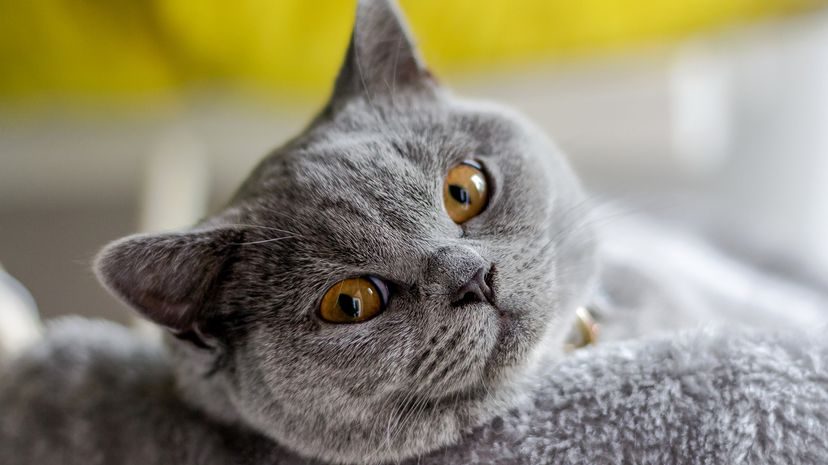
If you are looking for a cat that respects your space as much as it commands your attention, the Russian Blue is likely your match. These are not the yowling, demanding pets some breeds are known for. They are quiet. Reserved. Elegant.
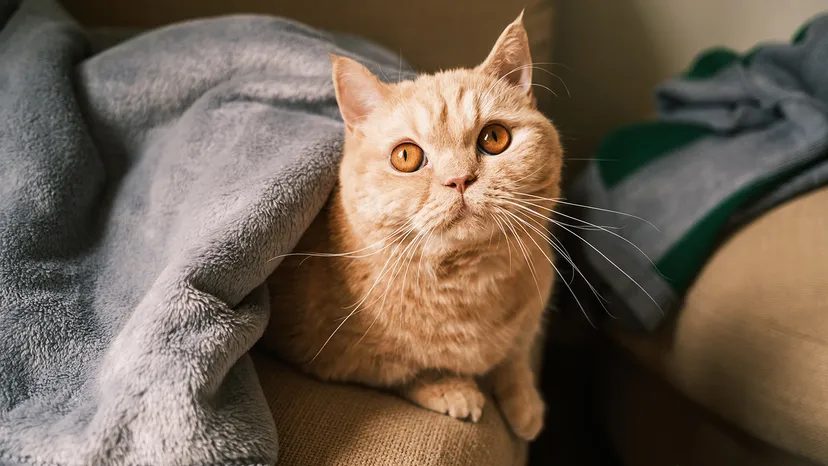
Often called the “silverblood,” they get their name from their striking double coat. It is short, dense, and stands out from the body. The color is a unique, shimmering blue-grey that reflects light in a way that makes them look almost translucent. It is soft to the touch, like velvet.
But the charm isn’t just visual.
Russian Blues are intensely loyal to their families. They form deep bonds with one or two specific people. Once that bond is established, they are affectionate, playful, and surprisingly goofy. They will follow you from room to room, not begging for food, but just wanting to be near you. They are watchful companions.
They do not handle strangers well initially. A shy nature means they need time to warm up. You will likely see them hiding when guests arrive. This is normal. Give them a quiet corner. Let them come to you.
Health-wise, they are generally robust. They are prone to a few specific conditions, such as bladder stones or obesity if overfed, but they are not a high-maintenance breed. Grooming is minimal thanks to the short coat.
Why They Are Different
You might wonder how they compare to other shorthaired breeds like the British Shorthair or the Chartreux. The difference lies in energy and vocalization.
Russian Blues are active. They like to play. They retain their kitten-like playfulness well into adulthood. They are not couch potatoes. They enjoy interactive toys and puzzle feeders.
They are also notably quiet. They do not meow frequently. When they do speak, it is a soft, gentle chirp. This makes them ideal for apartments or homes where noise is a concern.
For people with allergies, there is a common myth that Russian Blues are hypoallergenic. They are not truly hypoallergenic. However, they produce less of the Fel d 1 protein, which triggers allergic reactions in many people. This means they may be more tolerable for those with mild sensitivities, but it is not a guarantee.
The breed’s history is tied to the port of Archangel in Russia. Sailors brought them to Northern Europe in the 1800s. They gained popularity in England and the United States in the late 19th century. Their appearance has remained remarkably consistent over the last century.
What to Expect
Owning a Russian Blue is about patience and quiet companionship. You will not get a lap cat that sits on your head while you watch TV. You will get a cat that sits on the sofa beside you, watching the world go by.
They are intelligent. They can learn tricks. They can open doors if they decide they want to. This intelligence requires mental stimulation. Boredom can lead to destructive behavior.
If you want a pet that is low-maintenance but high-engagement, the Russian Blue fits the bill. They are dignified yet playful. Aloof with strangers but devoted to their humans.
It is a breed that rewards those who understand their need for a calm environment.
The Norwegian Forest Cat: A Living Icebreaker
If the Russian Blue is a whisper, the Norwegian Forest Cat is a thunderstorm wrapped in velvet.
Known as the Norsk skogkatt in its homeland, this breed doesn’t just sit on a windowsill. It commands it.
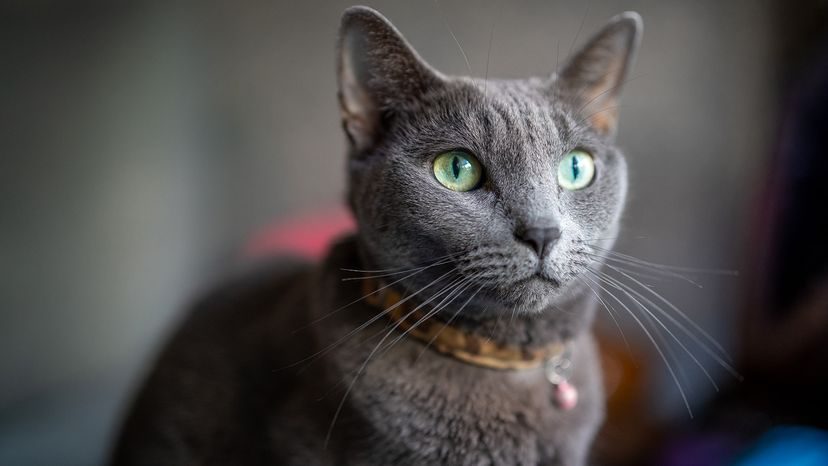
Hailing from the harsh, freezing climates of Scandinavia, the Norwegian Forest Cat was never bred for lap-sitting. It was bred for survival. That history shows in every thick, water-resistant double coat and those majestic, tufted ears. These cats look like they’re ready for a blizzard, not a nap on a cashmere throw.
But don’t let the wild exterior fool you.
Underneath that rugged, lion-like mane lies a personality that is surprisingly gentle. They are known for being affectionate without being clingy. They’ll follow you from room to room, keeping watch. They’ll jump up to sit near you, not necessarily on you. It’s a relationship built on mutual respect rather than dependency.
Why the thick coat matters
Those long, shaggy hairs serve a specific purpose. They shed water like a duck’s back. In Norway, where rain and snow are constants, this trait kept ancestors warm and dry while hunting mice or climbing trees for safety.
Today, that same coat makes them prone to matting if ignored. Regular brushing isn’t a suggestion. It’s a necessity. Ignore it, and you’re dealing with a furball nightmare. Do it right, and you’re bonding with a creature that looks like it escaped from a fairy tale.
Are they good with kids and other pets?
Generally, yes.
Norwegian Forest Cats are patient. They have a high tolerance for the chaos of a household. They tend to get along well with dogs and other cats, provided they were socialized early. But they have limits. They are not pushovers. If a child is too rough, the cat will leave. It will simply walk away.
This is a cat that values its space.
Height and agility
One of the most striking features is their stature. Males can weigh up to 25 pounds. That’s not just big. That’s substantial. But it’s not the weight that defines them. It’s the legs.
Their hind legs are slightly longer than their front legs. This anatomy gives them incredible jumping power. They don’t climb furniture. They launch themselves onto bookshelves, doorframes, and the tops of refrigerators. They are built to climb.
In their native forests, they scaled pine trees to escape predators. In a modern apartment, that instinct translates to vertical territory. If you don’t provide high perches, they will create them. And they will use them.
The voice issue
Unlike their chatty cousins, the Norwegian Forest Cat is relatively quiet. They don’t meow to demand food. They don’t scream for attention. When they do vocalize, it’s a soft, trilling sound. Almost a hum.
This quiet nature appeals to many owners who want companionship without the noise. But it can be misleading.
Just because they are quiet doesn’t mean they are aloof. They are observant. They notice everything. The shift in your mood. The change in routine. They are deeply attuned to their humans, even if they
While the Norwegian Forest Cat braves the elements with a coat built for survival, the RagaMuffin was bred for something entirely different. It didn’t evolve to withstand freezing temperatures. It evolved to withstand loneliness.
Why the RagaMuffin is not a Ragdoll
The name is a trap. You see “Ragdoll” and assume a relationship. A RagaMuffin is not a Ragdoll. They share a loose, plush coat and a tendency toward size, but their DNA tells a different story. The Ragdoll is defined by its specific color points and its famous flop. The RagaMuffin? It comes in any color. Any pattern. Solid, tabby, bicolor, even tortoiseshell.
This distinction matters. It’s not just semantics. It’s about lineage. The RagaMuffin was developed in the 1990s, primarily by Ann Baker’s breeding programs, though the history gets tangled there. Baker’s original Ragdolls were tightly controlled. When breeders wanted to expand the gene pool and introduce new colors, they crossed Ragdolls with other longhaired breeds like Persian, Himalayan, and British Longhair. The result was a cat that kept the docile temperament but lost the strict color restrictions.
A temperament that defies logic
If you’ve ever owned a cat that treats you like a piece of furniture, the RagaMuffin might change your mind. They are famously affectionate. Not “I’ll sit near you” affectionate. We’re talking “I will follow you from room to room and demand lap time” affectionate. They are often described as dog-like in their loyalty.
But don’t mistake this for high-maintenance. They’re not yappy. They’re not demanding in a loud way. They’re just… there. Present. Constantly. This makes them ideal for households with children or other pets. They rarely hiss. They rarely scratch. They just adapt.
“The RagaMuffin is less of a pet and more of a companion who happens to have fur.”
Physical traits that hide a lightweight frame
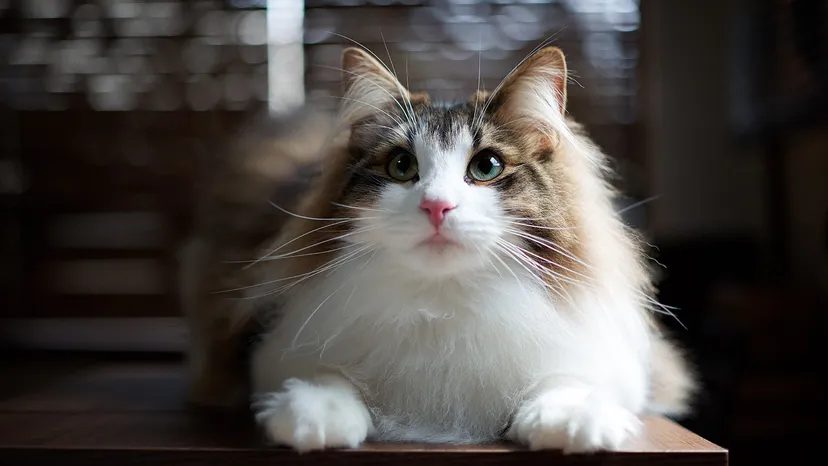
Look at a RagaMuffin and you see a large cat. Males can tip the scales at 15 to 20 pounds. Females are slightly smaller, but still substantial. Their heads are wide and rounded, with medium-sized ears that sit well apart. The eyes are large and expressive, usually gold or green. The coat is semi-long, soft, and silk-like. It lacks the heavy undercoat of the Norwegian Forest Cat, which is why it doesn’t shed quite as much in clumps, though regular brushing is still non-negotiable.
Here’s the unexpected part: despite their bulk, they are not muscular. They’re soft. Their body structure is cobby, meaning stocky and compact, but they lack the dense muscle mass of a Maine Coon. They’re essentially big bags of fluff. This makes them prone to weight gain if you’re not careful with their diet. A RagaMuffin that gets too heavy will develop joint issues. Their size is their charm, but also their vulnerability.
Where to find one (and why you shouldn’t buy from a puppy mill)
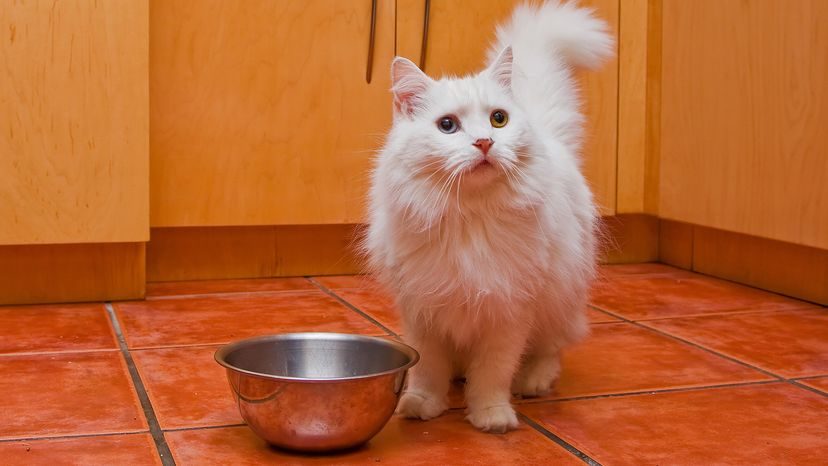
It is hard to look at a RagaMuffin and not imagine it stepping out of a storybook. They have that specific kind of fluff that looks like it was designed for Instagram, paired with a coat so silky it practically begs to be touched. But if you are looking for a high-maintenance show cat, you are looking at the wrong breed.
The real story here is about temperament. These cats are built for cuddles. They are not just tolerant of human presence; they actively seek it out. An easygoing nature in a cat is rare. Many breeds have boundaries. The RagaMuffin generally does not. This adaptability makes them one of the most forgiving companions for households with kids, other pets, or owners who work long hours.
We generated the initial draft of this profile using AI technology. A HowStuffWorks editor then stepped in to fact-check every claim. The goal was to strip away the fluff—literally and figuratively—and present you with a breed profile that is accurate, useful, and true to the animal’s actual behavior. No exaggeration. Just the facts about a cat that has earned its reputation as a gentle giant of the feline world.