Tonight’s Sky: The Third Quarter Moon
As of Saturday, May 9, 2026, the Moon has entered its Third Quarter phase. This marks a significant point in the lunar cycle, where approximately 56% of the Moon’s face is illuminated. Visually, this appears as a “half-Moon,” but with the left side lit (for observers in the Northern Hemisphere), signaling that the Moon is waning—losing light—as it approaches the New Moon.
This phase offers a unique viewing opportunity. Because the sunlight strikes the lunar surface at a low angle, shadows are elongated, providing exceptional contrast for craters and mountain ranges. It is an ideal time for stargazers to practice lunar observation before the Moon disappears entirely in the upcoming New Moon phase.
What You Can See Tonight
Depending on your equipment, the Third Quarter Moon reveals different levels of detail. Here is what you can expect to spot tonight:
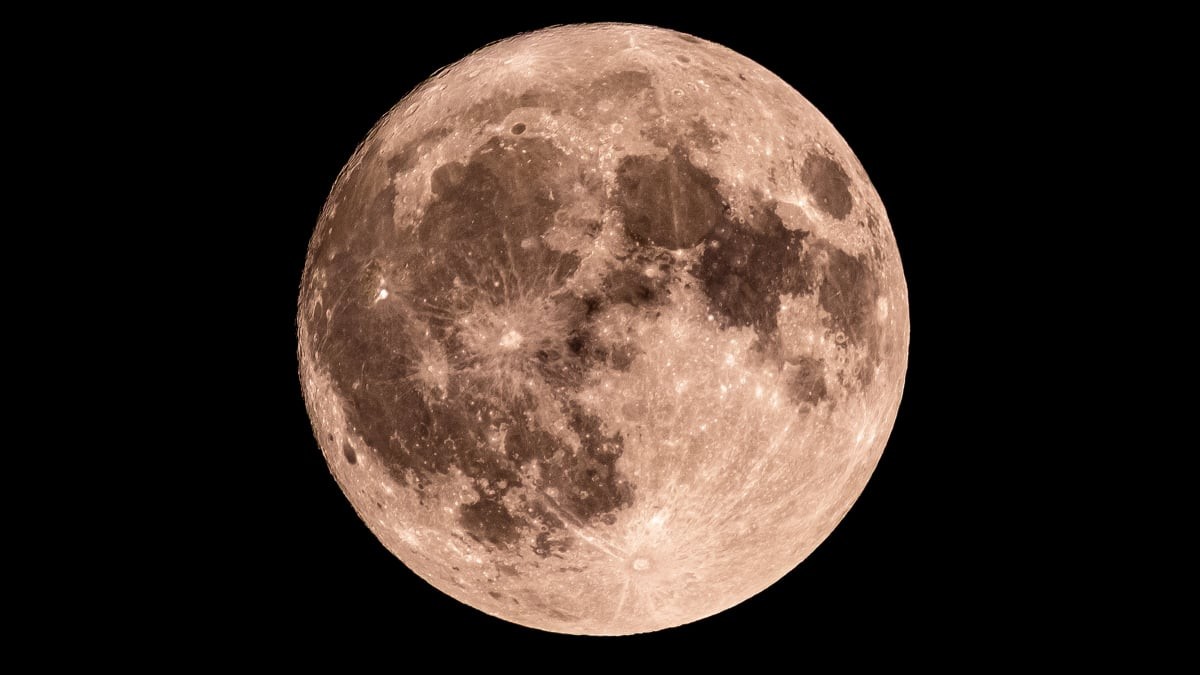
- With the Naked Eye: You can clearly identify major features such as the Mare Imbrium (Sea of Showers), the prominent Tycho Crater, and the vast dark plain known as the Oceanus Procellarum (Ocean of Storms).
- With Binoculars: The view sharpens significantly. You will be able to distinguish the Mare Humorum (Sea of Humors), the Alphonsus Crater, and the rugged Alps Mountains.
- With a Telescope: For serious observers, the Third Quarter reveals even more intricate terrain, including the Fra Mauro Highlands and the Caucasus Mountains.
Why this matters: The Third Quarter is often overlooked in favor of the Full Moon, but its steep shadow lines make it superior for studying lunar topography. The contrast helps distinguish between maria (dark basaltic plains) and highlands (brighter, cratered terrain).
Lunar Calendar: Two Full Moons in May
May 2026 is notable for containing two Full Moons. While the current phase is waning, the next major celestial event is the second Full Moon of the month, scheduled for May 31.
This occurrence highlights the variability of lunar cycles. The lunar month averages 29.5 days, meaning that if a Full Moon occurs early in a month (May 1 or 2), a second one can often fit in before the month ends. This phenomenon is sometimes colloquially referred to as a “Blue Moon,” though technically, a Blue Moon is defined as the second Full Moon in a single calendar month.
Understanding the Lunar Cycle
To appreciate tonight’s view, it helps to understand the mechanics behind the phases. According to NASA, the Moon completes one orbit around Earth every 29.5 days. Although we always see the same side of the Moon due to tidal locking, the amount of sunlight reflecting off that side changes as the Moon moves relative to the Sun and Earth.
The cycle consists of eight distinct phases:
- New Moon: The Moon is positioned between Earth and the Sun. The side facing us is in shadow, making it invisible to the naked eye.
- Waxing Crescent: A thin sliver of light appears on the right side (Northern Hemisphere).
- First Quarter: Half of the Moon’s face is illuminated on the right side.
- Waxing Gibbous: More than half is lit, growing toward fullness.
- Full Moon: The entire face is illuminated and visible.
- Waning Gibbous: The Moon begins to lose light on the right side.
- Third Quarter (Last Quarter): Half of the Moon is lit, but now on the left side. This is the current phase.
- Waning Crescent: A thin sliver of light remains on the left before returning to darkness.
Conclusion
Tonight’s Third Quarter Moon offers a crisp, high-contrast view of lunar geography, serving as a perfect prelude to the dark sky of the New Moon. With May hosting two Full Moons, skywatchers have ample opportunity to observe the complete lunar cycle this month. Whether using the naked eye or a telescope, the current phase provides a clear and accessible window into our nearest celestial neighbor.