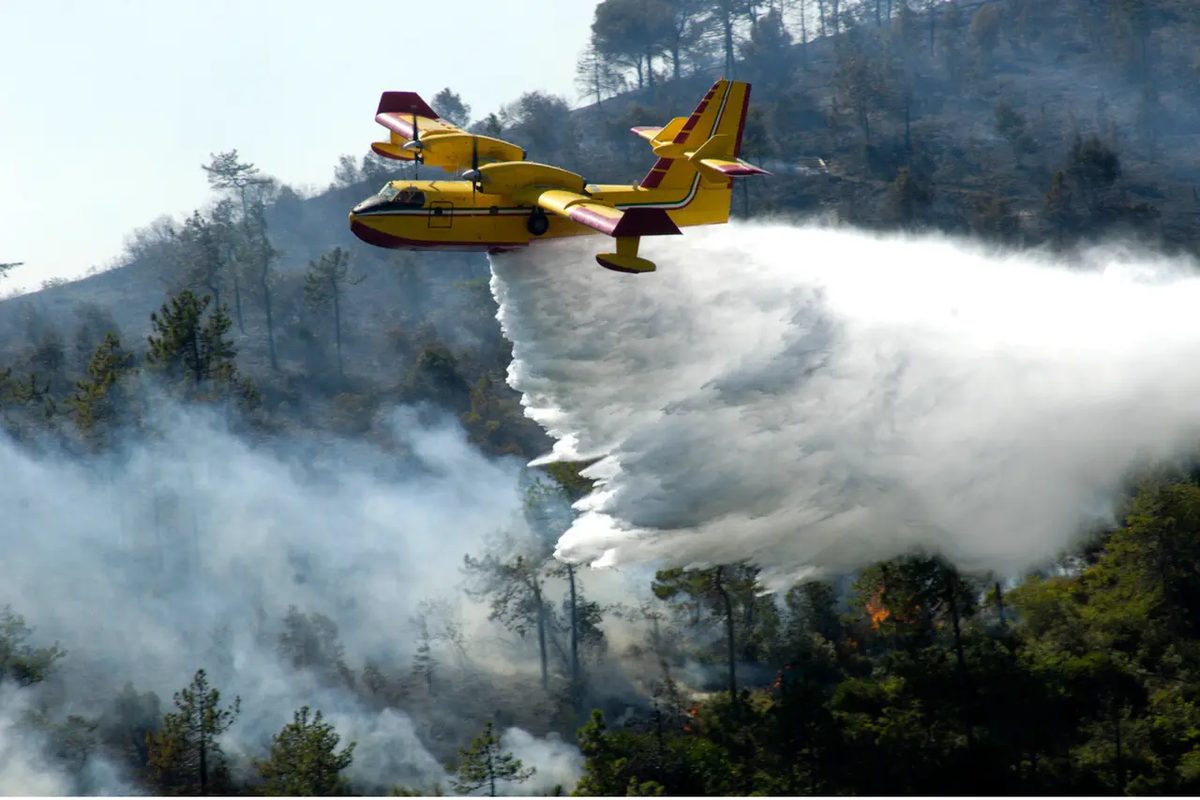
California is burning. Again. And this time, authorities are looking at the ocean for help.
Using salt water to fight wildfires sounds like a logical workaround when fresh water reserves are low. It’s abundant. It’s right there. But before we start hosing down blazes with seawater, we need to look at what’s actually in that bucket. And what’s in there is causing major headaches for equipment managers and ecologists alike.
The chemistry problem
Seawater isn’t just H2O. It’s a chemical cocktail. About 96.5% is pure water. The other 3.5%? That’s the trouble.
This remaining fraction contains:
- Sodium chloride (table salt)
- Magnesium
- Sulfate
- Calcium
- Potassium
On paper, salt might seem like an extinction booster. In reality, those dissolved minerals are corrosive time bombs.
Sodium chloride is the main culprit. It accelerates metal corrosion. Fire trucks are metal. Hoses are metal. Nozzles are metal. Pouring salt water through them turns expensive gear into rusted scrap metal much faster than fresh water ever could.
Equipment damage is real
Firefighting trucks are precision instruments. They are expensive. Replacing pumps, valves, and hoses regularly because you used salt water is a budget killer. And when a pump fails during an active fire, people die.
The corrosion doesn’t just happen on the outside. Salt eats away at internal components. Maintenance costs skyrocket. Lifespans of equipment shrink. You might save water, but you spend money on repairs instead.
Environmental impact
Beyond the trucks, there’s the ground. Salt water isn’t just for putting out fires. It stays. It soaks into the soil.
Plants don’t like salt. Trees don’t like salt. When you douse a forest with seawater, you aren’t just cooling the flames. You’re salting the earth. The long-term ecological damage can be severe. Soil becomes inhospitable. Regrowth is hindered. Biodiversity takes a hit.
Is it worth the trade-off?
Some might argue that saving trees from immediate combustion outweighs long-term soil salinity. But consider the logistics. Moving massive amounts of seawater to inland wildfires is difficult. You need pumps, tanks, and pipelines. Fresh water is often piped in already. Salt water requires a whole new infrastructure.
And then there’s the public perception. Firefighters are heroes. Using a method that potentially destroys their own gear and harms the land they’re trying to protect is a hard sell. It’s not just about putting out fire. It’s about sustainability. It’s about cost. It’s about collateral damage.
The bottom line
Salt water is a tempting solution when fresh water is scarce. But the drawbacks are significant. Corrosion ruins equipment. Salt poisons soil. The logistical hurdles are high.
Until we develop better ways to mitigate these effects, salt water remains a last resort. Not a standard tactic. Not a silver bullet. Just another option on a very short list of bad choices.
What happens when the next big fire hits? Do we risk the gear? The ground? Or do we find a better way? The answer isn’t clear yet. But the rust is already forming
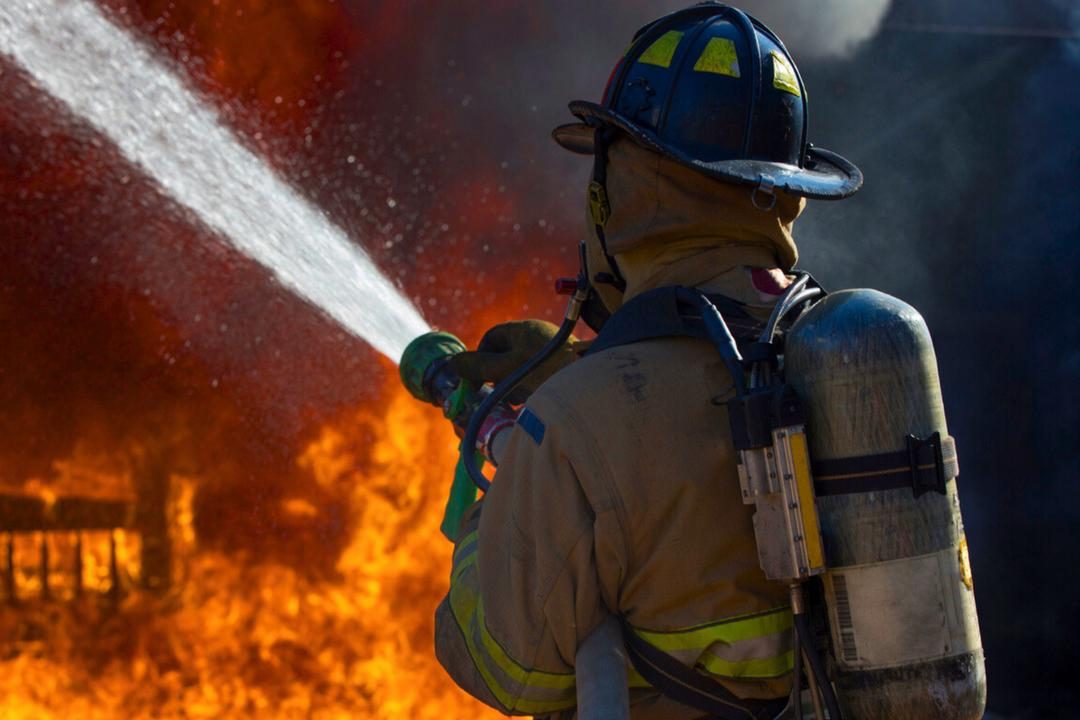
Salt might be cheap and abundant near the coast, but using seawater to fight wildfires is a logistical and ecological nightmare. The idea sounds simple: dip a bucket in the ocean, throw it on the fire. But when you scale that up to industrial firefighting, the problems multiply fast.
Equipment degradation and operational limits
Saltwater is corrosive. It eats through metal. For firefighting gear, this isn’t just a maintenance issue; it’s a failure risk.
| Equipment | Saltwater Impact |
|---|---|
| Water Bomber Aircraft | Accelerated corrosion, potential system malfunctions |
| Fire Hydrants | Rapid rusting, clogging risks |
| Hoses & Pumps | Premature wear, reduced efficiency |
Take the Canadair, those specialized amphibious planes used for aerial firefighting. They are not built for salt. Stéphane Caron, coordinator at SOPFEU in Quebec, notes that these aircraft are designed for fresh water. Using seawater accelerates corrosion inside engines and tanks. Plus, there’s the practical issue of landing. Canadairs need calm water to fill their tanks safely. The ocean is rarely calm. Waves make refilling difficult, dangerous, and slow.
Hydrants face similar issues. Salt accelerates rust. Pipes clog. Pumps wear out faster. The equipment lasts less time and works less effectively. This increases costs for municipalities and fire departments.
Ecological consequences of saline intrusion
Beyond broken equipment, saltwater damages the land it lands on. Patrick Megonigal, an ecologist at the Smithsonian Environmental Research Center, highlights the long-term soil damage.
- Soil composition changes : Salt alters soil chemistry. It can make the ground toxic for future plant growth.
- Plant stress : Terrestrial plants aren’t adapted to salt. They struggle to absorb water when salt is present. This leads to dehydration and death.
- Ecosystem disruption : Introducing massive amounts of salt upsets the local balance. It harms microorganisms and insects that rely on fresh water.
In dry regions like Southern California, the damage is worse. Drought already stresses the soil. Adding salt locks it in. The ground loses its ability to recover after a fire. Vegetation regrowth becomes harder, slower, or impossible. The land remains barren longer.
Alternatives and future strategies
Firefighters and researchers are looking for better options. Relying on saltwater is a stopgap, not a solution.
- Eco-friendly fire retardants : Developing chemicals that are effective but less harmful to the environment.
- Preventive forest management : Clearing dead wood and creating fire breaks before fires start.
- Drone technology : Using drones for early detection and precise monitoring.
- Strategic water reservoirs : Building storage tanks inland to ensure fresh water availability.
These strategies aim to reduce environmental damage while maintaining effectiveness. The goal is balance. Immediate fire suppression must not destroy the ecosystem needed for recovery.
The bottom line
Using saltwater to fight fires might seem like a quick fix, especially near the coast. But the damage to equipment and soil is significant. It’s a short-term gain with long-term costs. The future of firefighting lies in sustainable methods. We need strategies that protect both our communities and the land they burn on.
Fresh water is precious. Saving it for firefighting makes sense. But we must also protect the soil and the equipment. Otherwise, we’re just trading one problem for another. The fire is out. The damage remains.