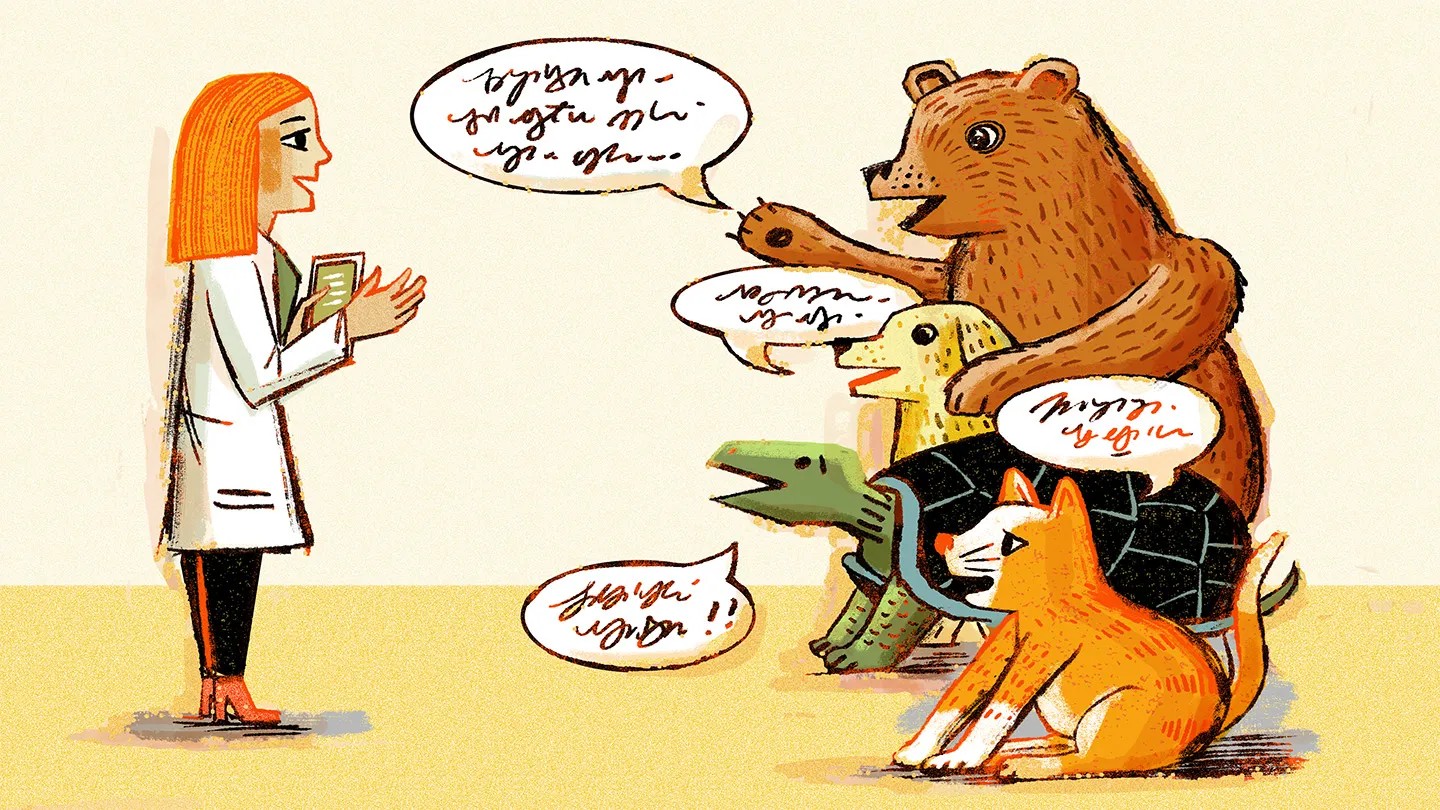
Imagine a future where your dog doesn’t just bark at the door but asks to go out. Or a cat that complains about the kibble. It sounds like sci-fi. But researchers are getting closer.
The idea is simple, if not slightly ridiculous: use artificial intelligence to decode animal communication. We want to speak their language. Or at least understand it.
It starts with data. Lots of it. Scientists are recording vocalizations from dolphins, humpback whales, and even house pets. These aren’t just random noises. They’re structured. They carry meaning. The challenge? Turning that noise into text. Or at least, into intent.
The Code Behind the Cry
Animal communication isn’t magic. It’s biology. It’s genetics. It’s physics.
Take the humpback. These giants sing complex songs that travel thousands of miles underwater. Is it a mating call? A warning? A status update? No one knows for sure. Yet.
Then there are dolphins. Highly intelligent mammals. Their clicks and whistles contain social cues. Some studies suggest individual identities—like names. AI can parse these patterns. Statistical models look for variables. Repetition. Variation. Context.
Humans talk. We have syntax. Grammar. Animals? Not really. At least not in the way we do. They have traits. Vocalizations tied to survival. Fear. Hunger. Play.
But is language unique to us? Maybe. Maybe not.
Decoding the Unspoken
Neuroscientists study the brain’s structure. How does a dolphin process a click? How does a cat decode a meow? It’s messy. It’s complex. It’s not a straight line from ear to understanding.
Yet, AI doesn’t need to “feel” to analyze. It needs data.
Researchers feed recordings into algorithms. The machine looks for patterns. It compares new sounds to known clusters. It guesses. Sometimes right. Often wrong. But it learns.
Consider the term decode. It implies a hidden message. A secret code waiting to be cracked. For animals, the “code” is innate. Instinctive. Learned? Both.
Is it translation? Or interpretation?
There’s a difference. Translation assumes a shared framework. Interpretation acknowledges the gap. We’re trying to bridge it. With tech. With math. With hope.
Where Are We Now?
We’re not handing out microphones to cats. Not yet.
Current projects focus on specific species. Bottlenose dolphins show promise. Humpback songs are being cataloged. Dogs? Too varied. Too context-dependent.
But progress is happening. Tools are emerging. Apps are being designed to capture and analyze these sounds. The goal isn’t fluency. It’s basic comprehension.
“What are you saying?”
That’s the question driving the research. Not because we want to chat with our pets. But because we want to understand them. Truly.
The Bigger Picture
This isn’t just about pets. It’s about ethics. About coexistence.
If we can understand whales, do we owe them more protection? If cats can articulate discomfort, do we change how we treat them? It’s speculative. Provocative.
And maybe a little unsettling.
We’re vertebrates. Share DNA. Share traits. But we don’t share language. Not really.
AI helps us peek behind the curtain. It doesn’t give us the full script. Just snippets. Fragments of meaning.
So, will your cat tell you its secrets tomorrow? Probably not.
But someday? Who knows?
“We are not speaking their language. We are learning to listen.”
The gap remains. But it’s shrinking. One click, one meow, one song at a time.
It’s messy work. Uncertain. But fascinating.
After all, isn’t that what science is? Asking questions. Waiting for answers. Sometimes never getting the ones you want.
But the ones we didn’t expect.