If you watched the Lost Season 2 finale on May 26, 2006, your nerves are probably still shot. ABC wrapped up the season with a cliffhanger that actually delivered on the promise of better storytelling than Season 1. For those of you who missed the episode or are avoiding spoilers entirely, stop reading now. The rest of us need to talk about the bizarre marketing stunt that followed.
During the ad breaks, ABC didn’t just show commercials. They aired a live interview on Jimmy Kimmel Live! featuring Hugh McIntyre. He introduced himself as the Communications Director for the Hanso Foundation. That is the fictional organization central to the show’s deeper mythology. McIntyre played along with the illusion at first. Then, he tried to walk it back.
“The show’s writers and producers have merely ‘latched’ themselves onto our organization to build their mythology and there’s no true connection.”
McIntyre insisted the network was using the Hanso Foundation to Lost viewers that the link between the real world and the island was purely fictional. The commercials exist, he claimed, to clarify that boundary. It was a transparent attempt to break the fourth wall. Or was it?
Despite his denials, McIntyre confirmed something significant. He acknowledged the existence of the Dharma Initiative. He stated the program was officially shut down in 1987. He did not explain why. He cited “proprietary technology” as the reason for his silence on the matter.
That phrase should ring a bell for any dedicated Lost fan.
Proprietary technology. Hatches.
The interview was a masterclass in alternate reality gaming. It blurred the line between the show’s fiction and the real world. Did the Hanso Foundation actually exist outside of the script? Or was this just another layer of the puzzle designed to keep us guessing? The ambiguity is the point. You are left wondering if you just watched a press conference for a real company or a scene from the next episode.
The Dharma Initiative’s closure in 1987 is a fact now confirmed by the show’s own marketing. But the “why” remains buried. That silence is deliberate. It keeps the mystery alive. It forces you to dig deeper into the lore. It makes you question what is real and what is just another illusion crafted to keep you hooked.
You still have questions. The hatch is open.
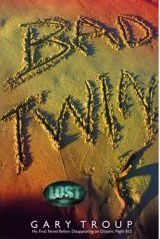
The blur between what is scripted and what is real in the Lost universe never really cleared up. It just kept getting thicker. You had the websites like TheHansoFoundation.org and the now-vanished SubLYMONal.com. You had Hugh McIntyre showing up on TV. But then Gary Troup’s novel Bad Twin dropped, and that felt like the final nail in the coffin of any skepticism you might have had.
Let’s look at the premise. In the book, the fictional author is killed when Oceanic Flight 815 crashes into the island. The manuscript survives the wreckage. The islanders find it. And then, somehow, you can find that same manuscript sitting on a shelf at your local bookstore.
It’s clever. It’s immersive. It’s also a trap.
You can buy the book. You can dig through the pages for clues that tie back to the show. But do yourself a favor. Check the reviews first. Do not open your wallet until you know what you’re walking into.
There is a lingering question that fans have debated since the first season: if the Hanso Foundation is such a powerful, real-world entity within the lore, why are they sitting on their hands? Why aren’t they suing the producers for using their name without permission? The silence is deafening.
If you’re looking for more rabbit holes to fall down, there are plenty of places to go. You can dive into the technical side of things with articles on how electromagnets work or a deeper breakdown of the DHARMA Initiative. There are quizzes on survival skills if you want to pretend you could make it on the island. Or you can just hang out on message boards like 4-8-15-16-23-42 or The Fuselages to argue with strangers about whether Jacob is a man or a metaphor.
The lines are still blurry. You just have to decide if you’re playing the game or just buying the merchandise.