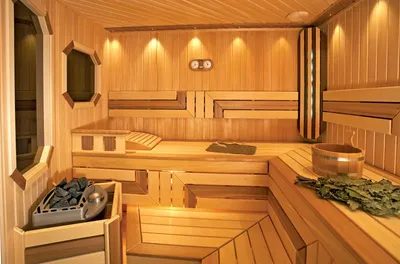
Saunas are ubiquitous in modern gyms and health clubs, with many households opting for compact units. Yet, the practice likely predates these commercial spaces by millennia. Herodotus documented a similar ritual among the Scythians in central Eurasia. They threw water and hemp seeds onto heated stones to generate an intoxicating vapor.
The Finns, however, transformed this concept into a national tradition. They constructed wooden enclosures near lakes. Inside, flat stones were stacked in shelves over a wood-fired pit. Once the stones were hot, bathers tossed water on them. The resulting steam filled the hut.
During the session, participants beat their skin with branches. This caused redness and tingling. Then came the shock. They dove into cold water or rolled in the snow during winter.
Extreme changes of body temperature were thought to have a beneficial effect on circulatory function.
This cycle of heat and cold targets the cardiovascular system. The body reacts to the thermal shock by adjusting blood flow. It is not just about relaxation. It is a physiological stressor. Modern science continues to study these effects. The Finns knew the routine worked. They did not need a peer-reviewed journal to prove it. They just needed stones, water, and cold air.