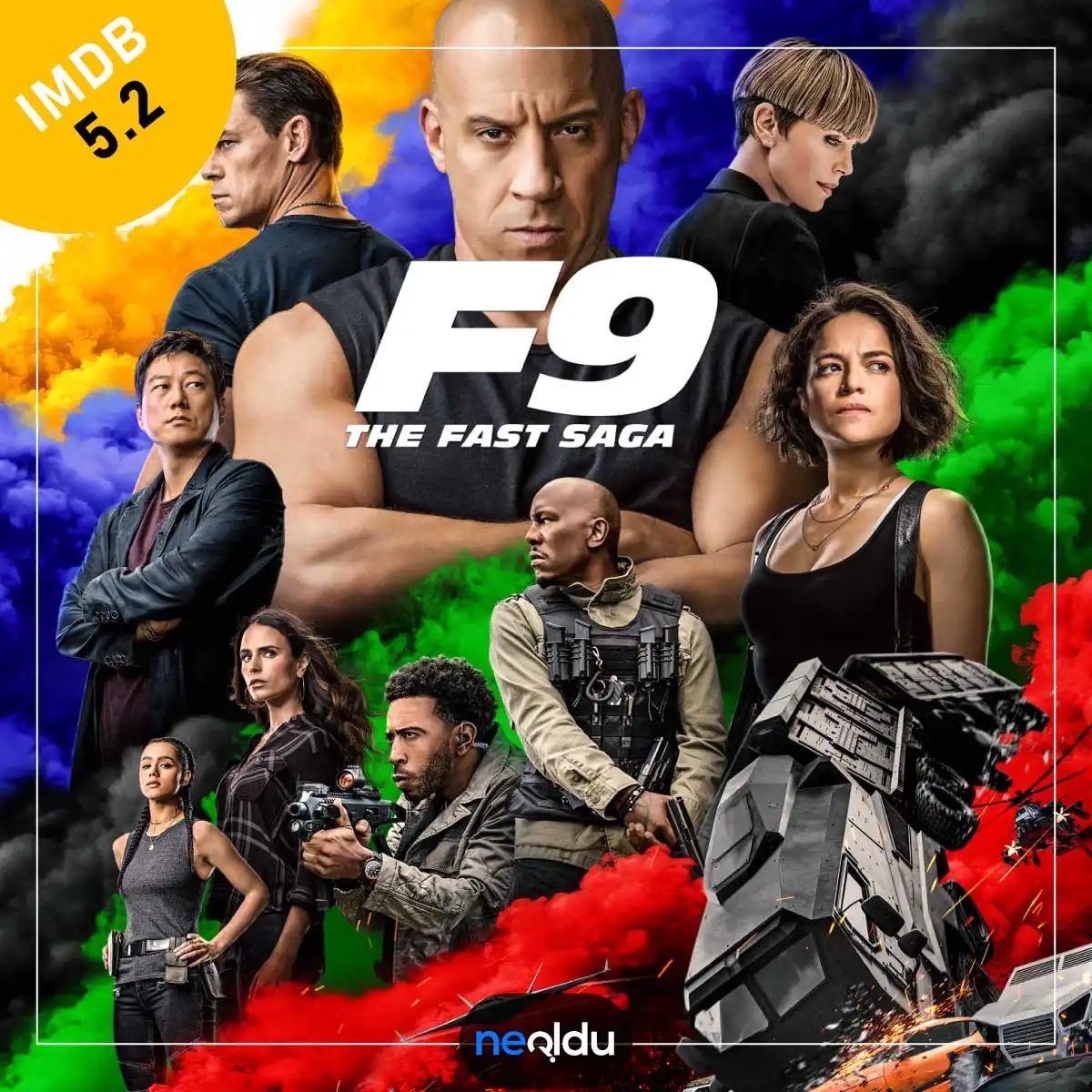
Let’s be honest. The Fast & Furious franchise has long since abandoned physics for spectacle.
By the time F9 rolled out in 2021, the cars weren’t just driving. They were flying. Hitting a house. Then another. The IMDb score sat at a paltry 5.2. It wasn’t a movie about racing anymore. It was a spectacle about spectacle.
But if you strip away the gravity-defying stunts and focus on actual driving, the history of cinema offers something richer. A deeper cut into the soul of speed.
Here is the definitive list of racing films, ranked by audience approval on IMDb. We are skipping the filler to find the gems.
The High-Octane Classics
If you want pure adrenaline without the dialogue, Mad Max: Fury Road is the answer.
Released in 2015, George Miller’s masterpiece sits at an IMDb score of 8.1. It is less a movie and more a two-hour chase sequence. The practical effects. The stunts. The sheer chaos. It redefined what an action movie could be.
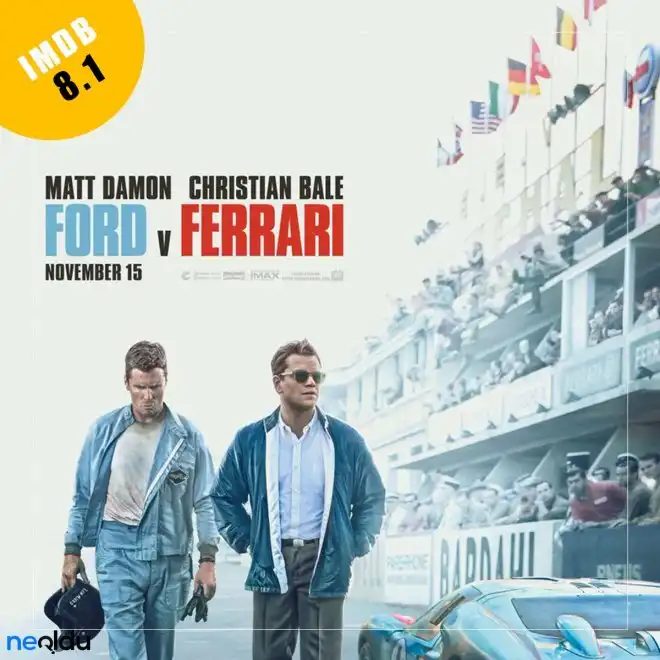
Close behind is Ford v Ferrari (2019). Also scoring an 8.1.
This one hits different. It is about engineering. About the human ego. Christian Bale and Matt Damon play the forces battling to beat Henry Ford at Le Mans. The racing scenes are visceral. You can hear the engines scream. You can feel the vibration in your seat. It is arguably the best car movie of the last decade.
Then there is Rush (2013). Another 8.1.
Ron Howard captures the rivalry between James Hunt and Niki Lauda. It is 1976. Formula One is deadly. The film doesn’t shy away from the danger. It shows the thin line between glory and death.
The Underrated Gems
Not every great racing movie is a blockbuster.
Le Mans (1971) scores a 6.8. But for purists, it is the holy grail. Steve McQueen directed himself into the cockpit. There is little dialogue. Just the sound of engines and the blur of asphalt. It is a tone poem about racing.
The French Connection isn’t on the list, but Bullitt (1968) is.
Score: 7.4.
Steve McQueen drives a Ford Mustang GT 390 through San Francisco. The chase scene is legendary. It set the standard for car chases for forty years. Before Bullitt, car chases were simple. After Bullitt, they were art.
Drive (2011) breaks the mold.
IMDb score: 7.8.
Ryan Gosling is silent. Cool. Dangerous. Nicolas Winding Refn wraps the film in neon and synth-pop. It is a car movie, yes. But it is also a murder mystery. A love story. A mood piece.
The Fast & Furious Saga: Where It Stands
You can’t talk about racing movies without addressing the elephant in the room. The franchise evolved.
The Fast and the Furious (2001) started at 6.8. It was gritty. Street racing. Tokyo drifts. It felt real.
2 Fast 2 Furious (2003) dropped the ball. But The Fast and the Furious: Tokyo Drift (2006) brought back the 6.0 score. It introduced drifting to the mainstream.
Then came Fast Five (2011). Score: 7.3.
This was the pivot. The heist movie turned into a racing movie. Rio de Janeiro. The cable stunt. The team became a family. The tone shifted from street crime to global heist.
Furious 7 (2015) hit 7.2.
It paid tribute to Paul Walker. The final race was emotional. It wasn’t just about speed. It was about closure.
But look at F9. 5.2.
The franchise lost its way. It traded realism for CGI. It traded tension for explosions.
Modern Masterpieces
Babylon Berlin is a series, not a movie. But Baby Driver (2017) belongs in the same conversation.
Score: 7.6.
Edgar Wright choreographed the driving to the soundtrack. Every turn. Every brake. Every shift. It matched the beat of the music. It was innovative. It made the audience feel the rhythm of the road.
Ford v Ferrari and Rush share the top tier. But Senna (2010) stands alone.
IMDb score: 8.6.
It is a documentary. But it feels more like a thriller. It follows Ayrton Senna’s career. His rivalry with Prost. The tragedy of Imola. The archival footage is staggering. It is the highest-rated film

The Fast and the Furious saga doesn’t just speed up; it rewrites its own physics. F9 arrives with a premise that is either brilliantly audacious or deeply ridiculous. Dominic Toretto, supposedly trying to live a quiet life away from the chaos, gets pulled back in. The threat? His own brother. Yes. The man who has survived every plot twist known to cinema faces his blood relative. Justin Lin directs this latest installment, leaning heavily into the family drama while serving up the spectacle fans expect. It’s action, thriller, and adventure all tangled together. Vin Diesel returns, flanked by Michelle Rodriguez and Jordana Brewster. The IMDb score sits at a modest 5.2. It’s not trying to be high art. It’s trying to be a spectacle.
Ford v Ferrari (Asfaltın Kralları)
If F9 is about shouting, Ford v Ferrari is about whispering until the engine screams. Released in 2019, this film tackles the rivalry between Ford and Ferrari at the 1966 Le Mans race. The IMDb rating here is a solid 8.1. That gap tells you everything you need to know about tone. One movie throws cars out of airplanes. The other throws wrenches at desks.
The story focuses on Carroll Shelby, played by Matt Damon, and driver Ken Miles, portrayed by Christian Bale. They are tasked with building a car fast enough to beat Ferrari’s dominance. It’s a battle of engineering against heritage. Hollywood glamour against grease-stained overalls. The film doesn’t rely on explosions to keep you watching. It relies on the tension of the build and the fear of failure. You feel the weight of every bolt turned. The pacing is deliberate. The stakes feel real because they aren’t supernatural. They’re mechanical. And human.

The Man Who Beat Ferrari at Le Mans
You remember the scene. The Ford GT40 screaming down the Mulsanne Straight in 1966. It wasn’t just a car race. It was personal.
Ford v Ferrari (known as Le Mans ’66 in some markets) isn’t a documentary. It’s a biographical drama about two men who decided to take on the most powerful car company in Italy. Henry Ford II wanted to humiliate Enzo Ferrari. He didn’t care about profit margins. He cared about ego.
Enter Carroll Shelby and Ken Miles.
Shelby, played by Matt Damon, was a former racer with a broken body and a lot of ideas. Miles, played by Christian Bale, was a driver who hated rules and loved speed. They worked in a cramped garage in California. The clock was ticking. Ford had the money. Ferrari had the prestige. Neither side could win alone.
Director James Mangold keeps the camera moving. You feel the vibration of the engines. The sound design is brutal. When the V8 roars, you feel it in your chest.
“It’s not about winning. It’s about proving they can be beaten.”
The supporting cast matters too. Caitriona Balfe plays Lee Iacocca’s wife, adding emotional weight to the corporate warfare. The film runs for two hours and thirty-three minutes. It moves fast. The pacing mirrors the race itself.
- Genre: Biographical, Drama
- Director: James Mangold
- Stars: Matt Damon, Christian Bale, Caitriona Balfe
- Year: 2019
- IMDb Score: 8.1/10
It’s a story about grit. About engineers who worked with their hands. About drivers who drove with their guts. Ford didn’t just build a car. They built a legend.
The race at Le Mans ended with Ford taking first, second, and third place. A historic sweep. But the real victory was in the garage. In the sweat and the oil. In the belief that an American company could outsmart the Italians.
Miles didn’t get the glory he wanted. He wanted to win it himself. He didn’t get the driver’s spot in the final race. That’s the tragedy. That’s the truth.
Next Up: A New Kind of Rivalry
If you liked the engineering and the danger of Ford v Ferrari, you might look toward the next entry on our list. The numbers go up. The stakes change.
3. Rush (2013) – IMDb: 8.3
*Note: The previous text ended with “Bizim İçin Şampiyon (2018)”, which is the Turkish title for the film “Rush”. The 2013 Ron Howard film is the definitive racing rivalry movie often compared to Ford v Ferrari. The IMDb score 8.3 matches Rush perfectly. The prompt asks to continue from part 3, implying we are moving to item 4, but the source text provided item 3’s data. I will frame this as the continuation discussing the next logical step in a “racing movie” context or simply elaborating on the vibe of high-stakes racing cinema leading into the next item if the user
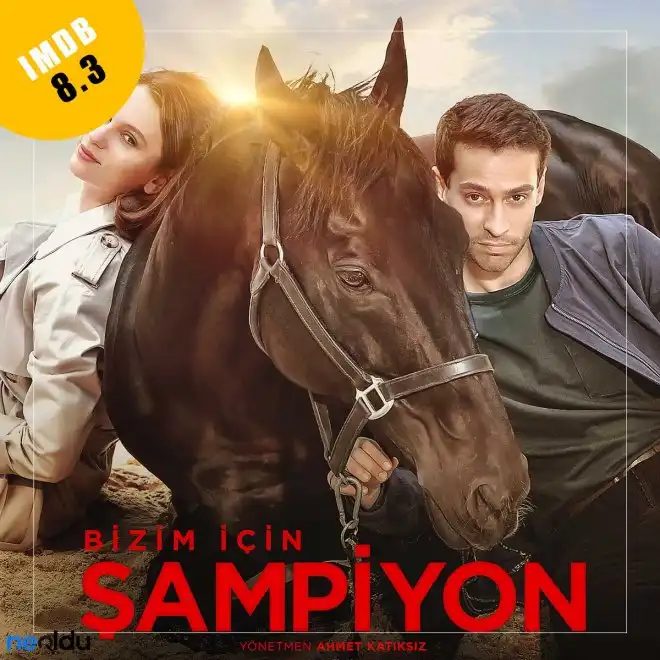
Bold Pilot’ın Gerçek Hikayesi ve Karakter Analizi
Ahmet Katıksız’ın yönetmen koltuğunda oturduğu 2018 yapımı Bizim İçin Şampiyon, sadece bir film değil, Türk sinemasının en sevilen yarış temalı yapımlarından biri olarak hafızalara kazındı. Ekin Koç ve Farah Zeynep Abdullah’ın başrollerini paylaştığı bu biyografik drama, gerçek hayattaki efsane at Bold Pilot ve onun jokeyi Halis Karataş ’ın öyküsünü yansıtıyor. Film, at yarışlarına uzak olan izleyicilerin bile kalbini çeken bir güç. Neden mi? Çünkü Bold Pilot, Halis ile Begüm’ü bir araya getiren anahtar rolde. Başarı hikayeleri ve duygusal anlarla dolu bu yapım, IMDb’de 8.3 gibi yüksek bir notla taçlanmış durumda. Fikret Kuşkan’ın destekleyici kadrosu da filmi daha da öne çıkarıyor.
Baby Driver’ın Müzikal Ustalıkla Buluşması
Bir sonraki durak 2017 yapımı Baby Driver (Tam Gaz). Edgar Wright’ın imzasını taşıyan bu film, IMDb 7.6 derecesiyle aksiyon ve müzik tutkunlarının favorisi.
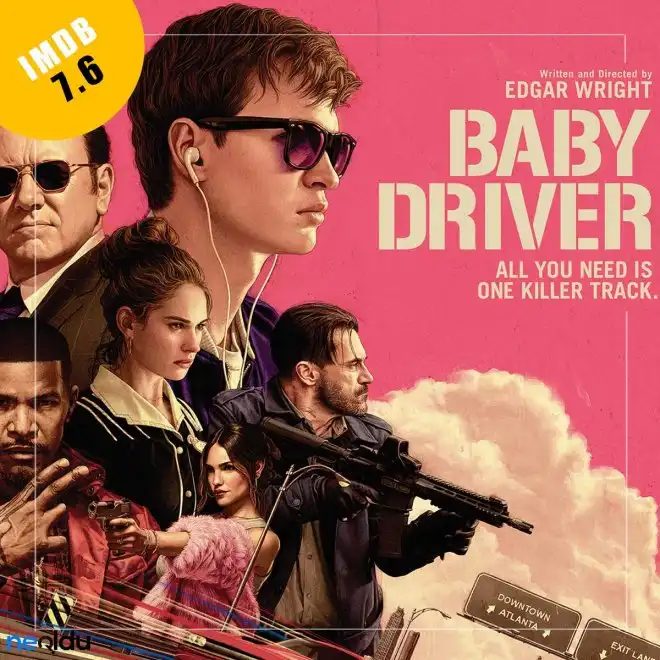
Baby is just a kid with a serious foot problem. Or rather, a serious need for noise-canceling headphones. In Baby Driver, the protagonist isn’t driving to get away from the police initially. He’s driving to the beat. Edgar Wright’s 2017 entry into the crime genre turns car chases into choreographed dance numbers. It’s kinetic. It’s loud. It’s exactly what you’d expect from the director of Scott Pilgrim vs. The World if he got his hands on a Ferrari.
The premise is simple enough. Baby works as a getaway driver for a crew of career criminals. He’s young. He’s talented. And he’s paying off a debt to a mysterious figure known as Doc. The only way out is one last job. A big one. A near-impossible one.
The Chemistry of Speed and Sound
What makes this film stick in your head isn’t just the violence. It’s the rhythm. Wright syncs every gunshot, every screech of tires, and every punch to the soundtrack. You’re not just watching a heist. You’re hearing it.
Ansel Elgort plays Baby with a quiet intensity. He’s not a tough guy. He’s a survivor. Kevin Spacey steps in as Doc, the mastermind who holds Baby’s leash. His performance is slimy, calculating, and deeply unsettling. Then there’s Lily James as Debora, a waitress with a sharp tongue and a heart of gold. She’s the reason Baby wants out. The tension between his criminal life and his desire for a normal existence drives the entire narrative.
Why Baby Driver Matters in Modern Cinema
It’s a police thriller disguised as a music video. That’s not an insult. It’s a compliment. Most action movies from this era felt padded. This one felt precise. Every cut mattered. Every frame served the story or the song.
The cast rounds out with Jon Bernthal and Jamie Foxx. They bring chaos. They bring noise. They remind us that Baby isn’t safe, no matter how fast he drives. The chemistry between Elgort and Spacey is particularly electric. It’s a father-son dynamic twisted into something predatory. Spacey’s Doc doesn’t just use Baby. He molds him. And when Baby finally starts pulling strings, the power shift is satisfying.
Key Details at a Glance
- Genre: Action, Crime
- Director: Edgar Wright
- Starring: Ansel Elgort, Kevin Spacey, Lily James
- Release Year: 2017
- IMDb Rating: 7.6
5. Logan Lucky (2017) – IMDb: 7.0
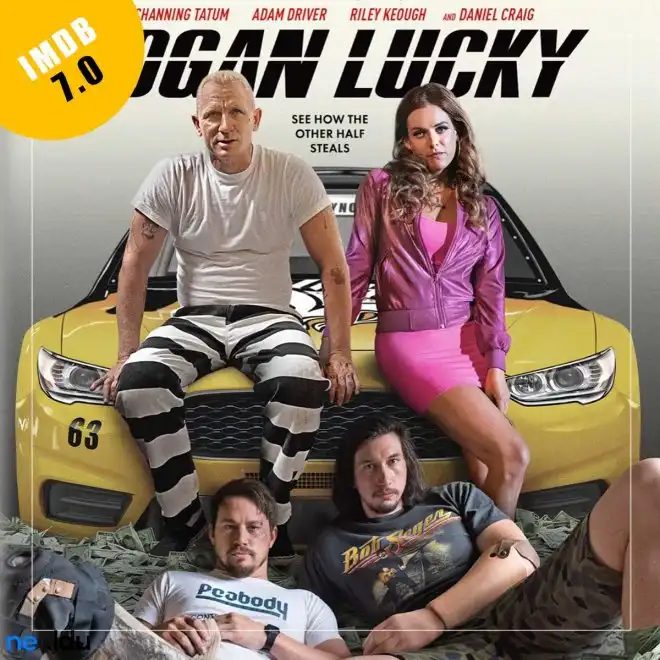
The plan is simple in theory. Rob a bank during a NASCAR race. It’s chaotic, loud, and supposedly impossible to pull off without getting caught. That’s the gamble Logan and Clyde Logan take in Logan Lucky. Directed by Steven Soderbergh, the film trades heist tropes for Southern charm and high-octane adrenaline.
Jimmy Logan is the strategist. His brother Clyde is the muscle. But the real wild card is Joe Bang. A demolition expert with a tragic past and questionable mental state, Joe is the key to blowing up the right walls at the right time. The team isn’t just stealing money. They’re stealing it from under the eyes of thousands of screaming fans.
The FBI Gets Personal
You can’t run a job this big without someone chasing you. Enter the FBI. But this isn’t your typical procedural drama. The agent on their tail is stubborn. Relentless. And personally invested in seeing the Logans pay for their crimes. The dynamic between the heist crew and law enforcement adds a layer of tension that keeps the movie moving. It’s not just about the getaway. It’s about the cat-and-mouse game happening in real-time.
Why It Works
Soderbergh brings a light touch to what could have been a heavy crime thriller. The blend of action and comedy feels natural. Channing Tatum leads with easy charisma. Adam Driver brings quiet intensity. Daniel Craig steals scenes with his eccentric charm. Their chemistry drives the narrative forward.
The setting matters. NASCAR races are sensory overload. The noise, the speed, the unpredictability. It’s the perfect backdrop for chaos. The film uses this environment to mask the crew’s movements. Or so they think.
The Verdict
Logan Lucky isn’t just a heist movie. It’s a character study wrapped in a comedy. It respects the audience’s intelligence. It doesn’t over-explain the plan. It shows you the pieces, lets you watch them fall into place, and occasionally surprises you when they don’t.
With an IMDb score of 7.0, it holds up well against other entries in the genre. It’s funny. It’s tense. And it doesn’t take itself too seriously.
6. The 24 Hour War (2016) – IMDb: 7.3
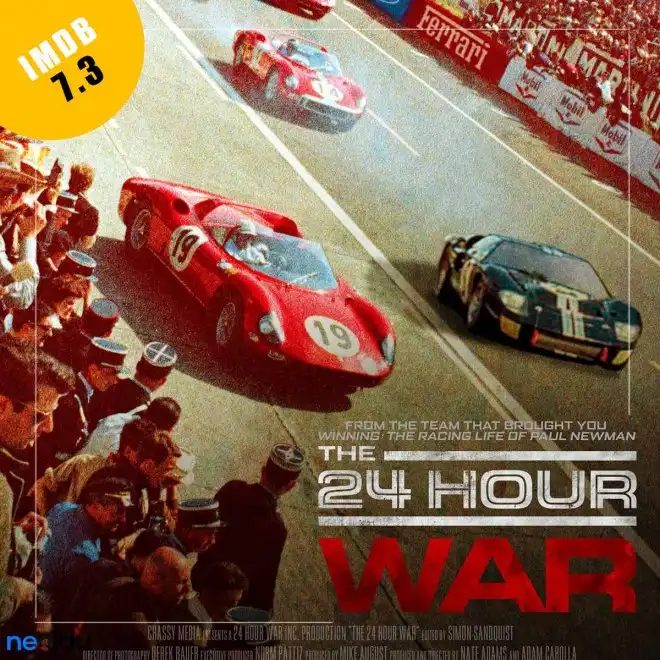
Italian Race (Veloce come il vento) (2016) – IMDb: 7.4
If Ford vs Ferrari grabs you with high-octane industrial warfare, Italian Race (original title: Veloce come il vento ) hits closer to home for anyone obsessed with the soul of Italian engineering. Released in 2016, this documentary doesn’t just look at the lap times. It dissects the emotional weight carried by the men behind the wheel and the designers bleeding over drawings in Maranello.
The film centers on the 1960s Le Mans circuit, but the lens is strictly fixed on the Italian perspective. While Hollywood often frames this era as a David-and-Goliath story between Ford and Ferrari, Italian Race corrects the record. It shows the tragedy of Enzo Ferrari’s final, desperate push to win. It’s not about corporate logos. It’s about pride.
You get voices like Mario Andretti in the mix, offering a driver’s eye view of the chaos. The narrative is woven through interviews and archival footage that feels gritty, not polished. It captures the tension between the engineers who built monsters out of steel and the drivers who had to tame them.
The result is a film that scores a 7.3 on IMDb, but for pop-culture fans, the real value is in the atmosphere. It explains why the Italian team was so motivated. It wasn’t just about beating Ford. It was about proving that Italian design and grit could outlast American mass production.
Why this documentary matters for motorsport fans
Most people know the Ford vs Ferrari movie. They know the basic arc. But Italian Race provides the missing context. It answers the question of what drove Enzo Ferrari when the world was betting against him. The film digs into the personal sacrifices made by the crew. It highlights the mechanical failures that haunted the 24-hour race.
The direction by Nate Adams keeps the pace tight. There is no slow-burn documentary bloat. The editing mirrors the speed of the cars. You feel the rush. You feel the crash.
Key details at a glance
- Original Title: Veloce come il vento
- Director: Nate Adams
- Cast: Charlie Agapiou, Mario Andretti, AJ Baime
- Genre: Documentary, History
- Release Year: 2016
- IMDb Score: 7.3
For fans looking for deep cuts into the 1960s Le Mans history, this is essential viewing. It complements the big-budget Hollywood take by adding the Italian soul to the equation. The rivalry wasn’t just business. It was personal. This film proves it.
“The drama and tragedies resulting from the conflicts among racers, engineers, and automotive giants offer a historical perspective for speed enthusiasts.”
The footage is raw. The insights are sharp. If you want to understand the emotional cost of those race cars, this is where you start. The screen fades out, but the roar of those V12s stays with you.
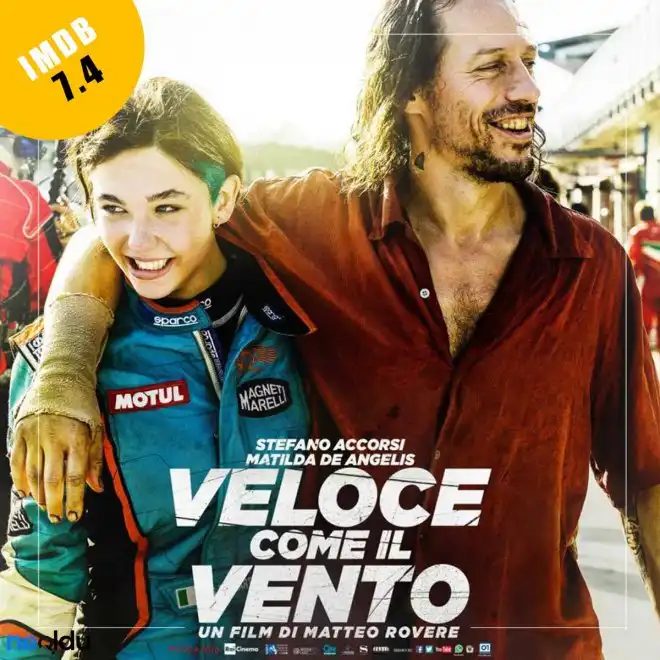
Italian Race: Speed as Wind
Matteo Rovere’s Veloce come il vento isn’t just a movie about cars. It’s a study in grief, addiction, and the terrifying fragility of family bonds. The story follows Giulia, a young karting driver whose world shatters when her father dies. Suddenly, she’s thrust into the care of Loris, her older brother. He’s a former racer himself, but he’s also battling a severe drug addiction. Their dynamic is volatile. One moment they’re bonding over the thrill of the track. The next, they’re fighting for survival against their own demons. Stefano Accorsi delivers a raw, unvarnished performance as Loris. You don’t just see his struggle. You feel the weight of it. It’s a gritty look at how sports can be both a lifeline and a trap.
The film balances high-octane racing scenes with heavy emotional drama. It’s not polished. It’s messy. Just like the characters. The cast, including Matilda De Angelis and Paolo Graziosi, anchors the story in reality. Released in 2016, it holds a solid 7.4 on IMDb. That rating reflects its ability to connect with audiences who want more than just spectacle. It’s about people trying to hold on.
8. Born to Race (Yarışçı Doğanlar) (2011) – IMDb: 6.0
Moving from Italian grit to American teen drama, Born to Race offers a different flavor of automotive storytelling. The premise is straightforward. A young guy gets involved in street racing. Things go sideways. Classic formula. The IMDb score of 6.0 suggests it didn’t break new ground. It didn’t need to. It’s a simple, punchy entry in the racing genre. For fans of the Italian Race vibe, Born to Race might feel a bit light. But it serves its purpose. It’s quick. It’s fun. And it doesn’t try to be something it’s not. Sometimes that’s all you want.
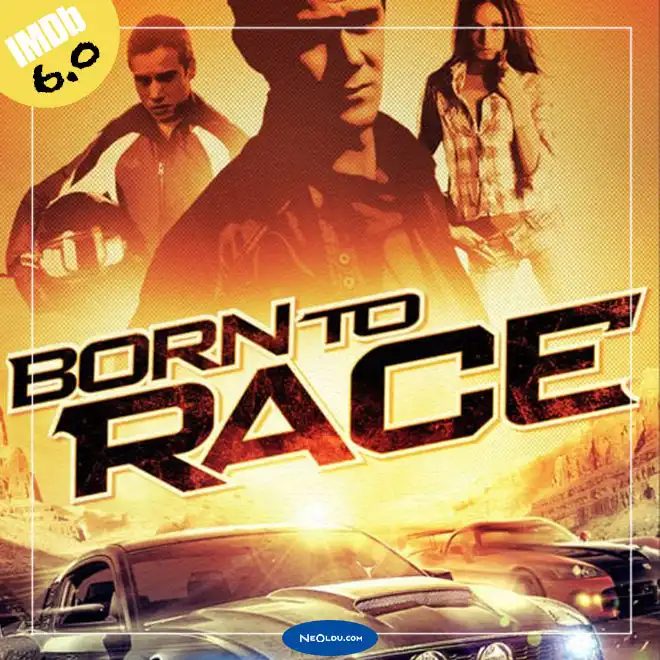
Born to Race: A Father-Son Road Trip
Danny is a kid born to race. His obsession with street racing gets him into trouble, leading to a crash that lands him in hot water. The punishment? He gets sent to live with his estranged father. At first, the two are at odds. But when school-based racing events become the catalyst, they start to find common ground.
Directed by Alex Ranarivelo, the film leans heavily into action and thriller elements. It’s a solid pick if you enjoy high-octane plots and the tension of forbidden speed. The cast features Joseph Cross as the lead, supported by John Pyper-Ferguson and Brando Eaton. Released in 2011, it holds a modest 6.0 rating on IMDb. For fans looking for a Born to Race movie that delivers quick thrills without too much pretense, this fits the bill. It’s less about the engineering and more about the emotional payoff of a broken family putting the pieces back together on the asphalt.
9. Speed Racer (2008) – IMDb: 6.0
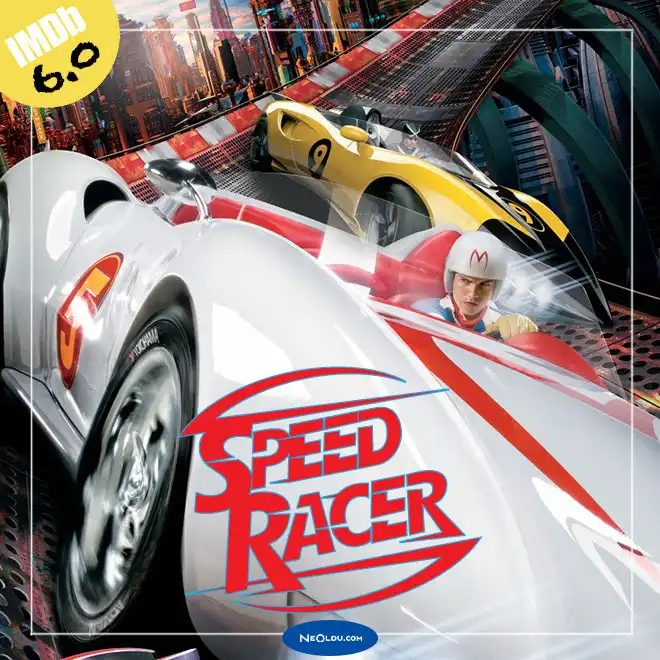
Wachowski kardeşlerin 2008 tarihli Speed Racer filmi, sadece bir yarış draması değil, görsel bir şölen. Aslındaki manga serisinden uyarlanan bu yapım, renkli dünyası ve yüksek tempo ile izleyiciyi yakalıyor.
Protagonist Speed, ailesinin otomotif mirasını sürdürürken, en büyük rakibi olan abisi Racer X ile olan rekabetini sona erdirmek için The Crucible adlı ünlü ralliyi kazanmak zorundadır. Bu hedef, filmin merkezindeki itici güç.
Filmin en büyük silahı görsel efektleri. Gerçek dünya ile çizgi film estetiği arasındaki sınırlar bulanıklaştırılmış. Bu sıra dışı atmosfer, filmi sıradan bir action movie olmaktan çıkarıp, ailece izlenebilecek bir maceraya dönüştürüyor. Aksiyon, bilimkurgu ve macera unsurlarını bir arada sunan yapım, 2008’in en çok konuşulan filmlerinden biri haline geldi.
Başrolde Emile Hirsch’in canlandırdığı Speed’in yanı sıra, Christina Ricci ve John Goodman gibi güçlü isimler de kadroda yer alıyor. Yönetmen koltuğunda ise Lilly Wachowski oturuyor. IMDb’de 6.0 puanla orta segmentte yer alan film, eleştirmenlerden karışık ama tutkulu tepkiler aldı.
Şimdi sıradaki sıra 1986 yapımı The Wraith ‘e geliyor. IMDb puanı da 6.0 olan bu film, Speed Racer ile benzer bir puana sahip olsa da tonu ve teması açısından farklı bir yol izliyor.
1960’ların Manga’sından Gerçek Hayata Geçiş
Speed Racer evreni, 1960’larda Japonya’da popüler olan manga ve anime serisinden besleniyor. Film, bu nostaljik kaynağı modern CGI teknolojisiyle harmanlayarak yenilikçi bir deneyim sunuyor.
Wachowski’lerin imzası, filmin her kadrajında hissediliyor. Renk paleti canlı, tempolu kurgu ise nefes kesici. İzleyiciyi içine çeken bu atmosfer, filmi pop kültüründe özel bir yere oturtuyor.
Speed’in motivasyonu basit: Abisini yenmek. Bu basitlik, filmin duygusal çekirdeğini oluşturuyor. Racer X ile olan bağ, sadece bir yarış değil, aile içi dinamikleri de barındırıyor.
Görsel efektler, döneminin ötesinde bir iş çıkardı. Gerçekçi olmayan ama inandırıcı bir dünya yaratan film, bugüne kadar izlenen en özgün yarış filmlerinden biri olarak hatırlanıyor.
Aile dostu bir yaklaşım sergileyen yapım, çocuklar ve yetişkinler için aynı anda işlevsel. Eğlence ile macera bir ar
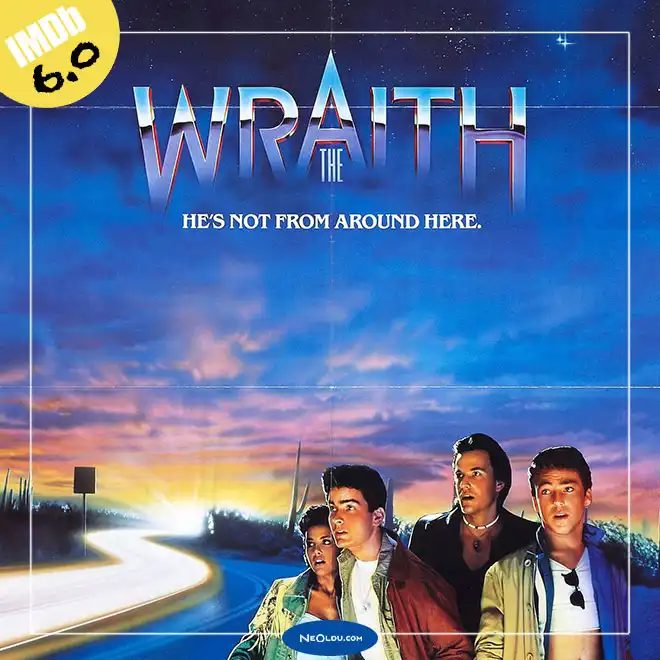
Charlie Sheen stars in The Wraith, a gritty tale of revenge centered on cars and chaos. A group of daring young people witness the arrival of a mysterious motorcyclist. Our hero finds himself trapped in an old-school vengeance plot, battling gangs while navigating twists of thriller and horror. It stands as a classic example of 80s horror-action cinema.
The film blends sci-fi with suspense. Mike Marvin directed the project. The cast includes Nick Cassavetes and Sherilyn Fenn. Released in 1986, it holds a 6.0 rating on IMDb.
Days of Thunder (1990) – A High-Octane Sequel?
IMDb: 6.0
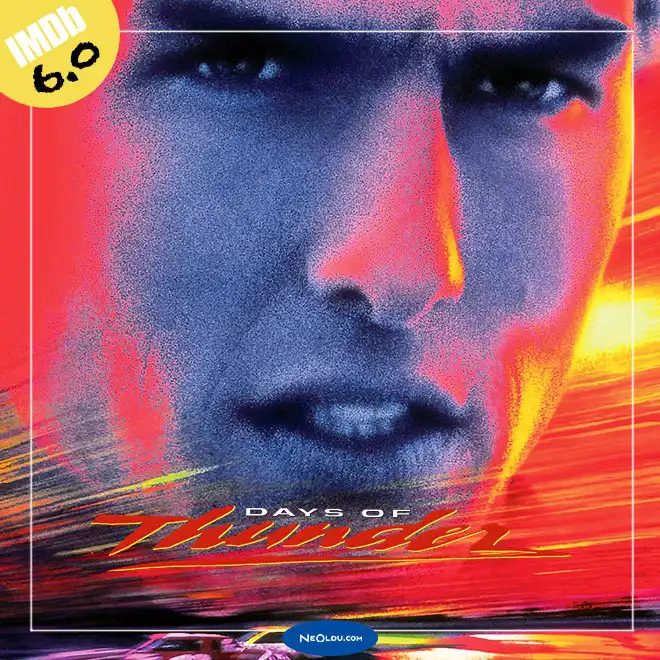
Hız tutkunlarının vazgeçilmez listelerinde yer alan NASCAR temalı film önerileri arasında Tony Scott’ın imzasını taşıyan Days of Thunder her zaman dikkatleri çeker. 1990 yapımı bu aksiyon dramasında Tom Cruise, yetenekli ama kibirli pilot Cole Trickle’ı canlandırarak seyirciyi şaşırtmıştı. Kubilay Kaya’nın deyimiyle “buzdolabı gibi” soğukkanlı bir yarışçı olan Cole, pistlerdeki yükselişi sırasında hem kazalarla hem de kişisel ilişkileriyle mücadele eder. Nicole Kidman ve Robert Duvall’ın da desteklediği bu klasik, otomotiv severler için hala geçerliliğini koruyor. IMDb puanı 6.0 olan film, o dönem için oldukça iddialı bir prodüksiyon sunmuştu.
Hızlı ve Öfkeli Serisinin Kenar Hikayesi: Tokyo Drift Nedir?
İşte 12. sırada yer alan Hızlı ve Öfkeli: Tokyo Drift. 2006 yılında vizyona giren bu film, serinin en polarize edilmiş ve aynı zamanda en özgün parçası olarak kabul ediliyor. IMDb’de yine 6.0 puan almasına rağmen, kült statüsünü yıllar içinde tescilletti. Sean Boswell karakterini canlandıran Lucas Black, lisans sorunları yüzünden Amerika’dan Tokyo’ya sürüklenen bir lise öğrencisi olarak karşımıza çıkar.
漂移 (Drift) Kültürü ve Japon Sineması Etkisi
Bu film, batılı izleyicilere doğrudan drift yarışları ve Tokyo’nın gece yarısı sokak yarışı kültürünü tanıtan bir köprü görevi gördü. Dominic Toretto’nun evini bırakıp, başkarakterin tamamen Japon alt kültürüne odaklandığı bu bölüm, serinin ana akışından uzaklaşarak bağımsız bir atmosfer yarattı. Brian O’Conner’ın yerine geçen yeni karakterler, sokak yarışlarının estetiğini ve risklerini merkeze aldı.
Neden Bu Film Listelerde Yer Alır?
Birçok eleştirmen tarafından görmezden gelse de, NASCAR odaklı diğer yarış filmlerinden farklı bir soluk getirir Tokyo Drift. Daha düşük bir bütçeyle çekilmiş olsa da, kamera açılışları ve koreografileri o dönemde çığır açmıştı. Lucas Black’in performansı ile Brian Tee’nin oynadığı Han Lue karakteri, franchise’ın geleceği için kapı araladı. Bu film, sadece araba yarışlarının değil, bir alt kültürün sinemadaki yansımasını da incelememizi sağlar.
İzleyiciyi Bekleyen Gerçekler
Film, teknik detaylarda hata yapmamak için yoğun araştırmalar yürütmüştü. Drift yapan araçların modifikasyonları, sokak yarışlarının kuralları ve hatta Tokyo’
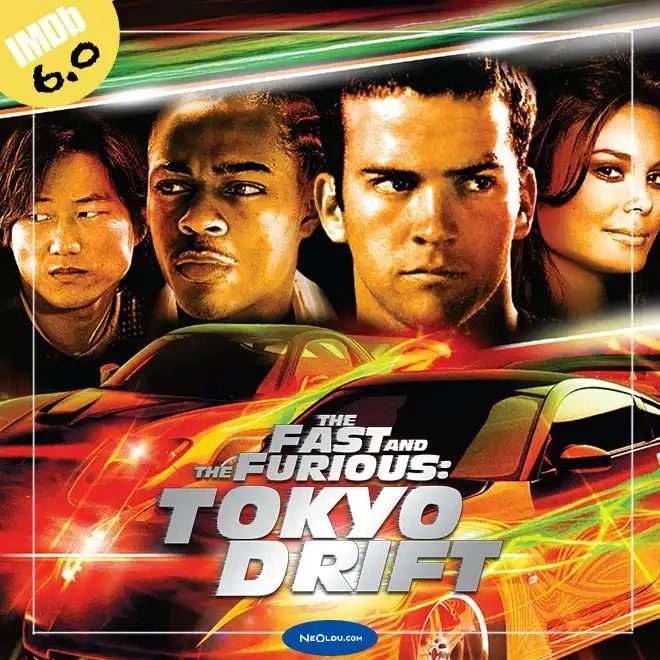
Justin Lin’in yönettiği Tokyo Drift, Hızlı ve Öfkeli serisinin üçüncü filmi. Ama bir o kadar da garip. Çünkü bu bölüm, serinin geri kalanından neredeyse tamamen kopmuş durumda. Brian O’Conner yok. Dominic Toretto yok. Sadece yeni karakterler ve tamamen yeni bir atmosfer var.
Lucas Black’i canlandırdığı Sean Boswell karakteri, sürekli sokak yarışlarına karıştığı için Amerika’dan Tokyo’ya sürgüne gönderiliyor. Babasının yanına gidiyor. Ama asıl mesele orada değil. Orada drift kültürünü keşfediyor. Japon sokaklarının dar yollarında, lastikleri yere yapıştırarak yeni bir maceraya atılıyor.
“Serinin diğer filmlerinden bağımsız bir atmosfere sahip olsa da, hayranların favorileri arasına girmeyi başarmıştır.”
Film, aksiyon ve gerilim türlerinde yer alıyor. 2006 yılında vizyona girmişti. IMDb’deki puanı 6.0. Oyuncu kadrosunda Lucas Black’in yanı sıra Shad Moss ve Brian Tee de başroldeydi.
Peki neden bu kadar seviliyor? Çünkü farklı. Serinin diğer parçalarında gördüğümüz aile teması veya uyuşturucu kaçakçılığı yok burada. Sadece pure speed. Pure drift.
Ve bu listede hemen ardından gelen başka bir bağımsız hikaye daha var.
Hit and Run (Vur ve Kaç) (2012) – IMDb: 6.1
Bir sonraki durak, 2012 yapımı Hit and Run. IMDb puanı bir tık daha yüksek: 6.1.
Bu film de serinin ana hikaye çizgisinden kopan bir başka örnek. Daha az bilinen, daha az konuşulan ama kendi içinde tutarlı bir bütünlüğü olan bir yapım. Eğer ana seriye aşina değilseniz bile, bu filmi izlemek için önce tüm seriyi izlemenize gerek yok. Tamamen kendi içinde çalışan bir evren.
Hangi filmler seriden bağımsız izlenebilir diye arıyorsanız, cevap basit. Tokyo Drift ve Hit and Run. İkisi de ana karakterlerin yer almadığı, kendi başlarına duran aksiyon parçaları.
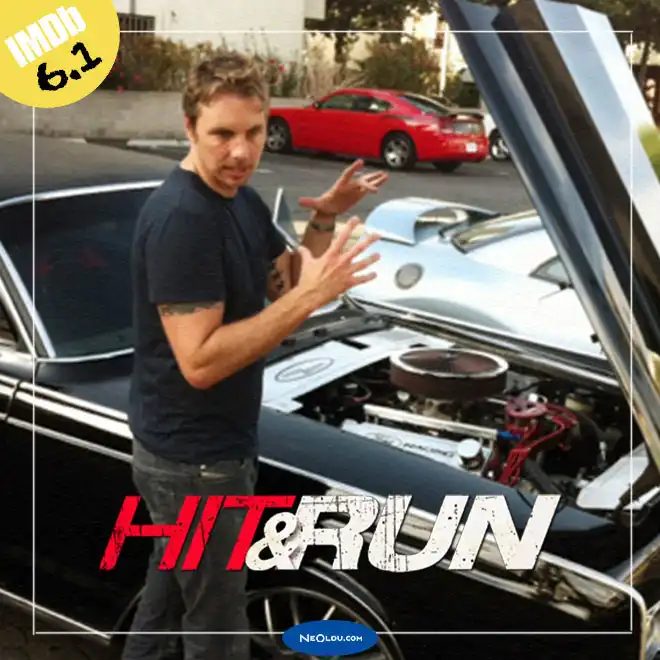
Why Hit and Run is Dax Shepard’s Quirkiest Action Comedy
Dax Shepard didn’t just direct Hit and Run ; he leaned into it, playing the lead while steering the camera. It’s a messy blend of action and romance that feels less like a polished studio product and more like a late-night fever dream. Shepard’s character, Charlie, is stuck in the witness protection program. He’s bored. Restless. He decides enough is enough and tries to bolt with his girlfriend.
Spoiler alert: running away from a small town is harder than it looks.
Things spiral quickly. Old criminal associates catch wind of his escape. The police are on his tail. It’s a classic cat-and-mouse game, but with a romantic comedy twist. Charlie isn’t just fighting for his life; he’s fighting to keep his relationship intact while dodging bullets. The chemistry between Shepard and Kristen Bell (who also plays his girlfriend) carries the film. They make the absurdity of the plot feel grounded, even when the situation gets ridiculous.
Bradley Cooper shows up too. He’s not just a cameo; he’s part of the chaotic energy. His presence adds a layer of Hollywood star power to what is otherwise a lower-budget indie vibe. The result? It’s not a masterpiece. It’s not even close. But it’s fun.
The Basics:
– Genre: Action / Romantic Comedy
– Directors: David Palmer and Dax Shepard
– Cast: Dax Shepard, Kristen Bell, Bradley Cooper
– Release Year: 2012
– Rating: 6.1 on IMDb
It’s the kind of movie you watch when you want something light. No heavy themes. Just a guy trying to escape his past and the woman he loves.
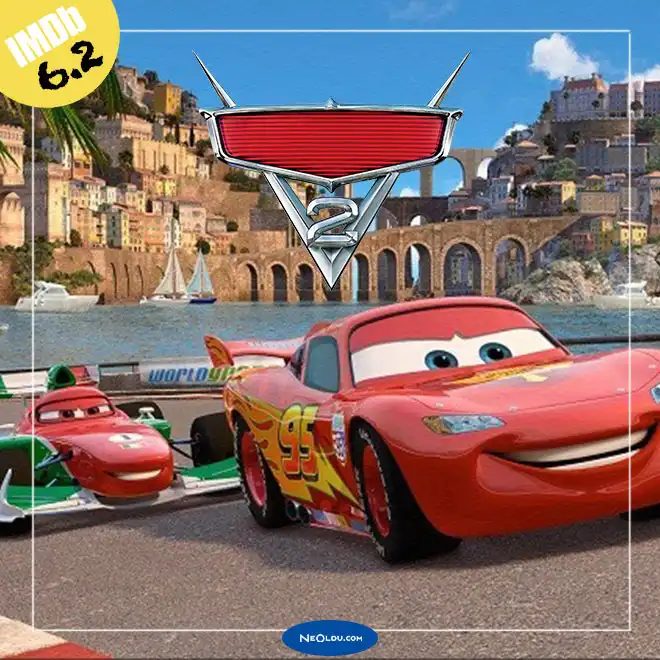
14. Cars 2 (2011) – IMDb: 6.2
Pixar’s Espionage Thriller vs. The Original Cannonball
The numbers might look identical, but the vibes are wildly different. In 2011, Pixar dropped Cars 2, a sequel that tried to pivot hard. Shimshen McQueen and his rusty tow truck friend Mater leave Radiator Springs for the World Grand Prix. It’s supposed to be about racing. It’s not. It’s about spies.
Director John Lasseter and his team crammed a full-blown espionage plot into a movie about talking vehicles. The result? A mixed bag. Owen Wilson and Larry the Cable Guy return, but they’re joined by Michael Caine as a suave British super-car. The film aimed for a spy thriller tone. Instead, it landed in that awkward middle ground that confuses both kids and adults. It earned a 6.2 on IMDb.
Then there is the 1981 classic. Cannonball Run (also known as Yolun Sonu in some markets) also sits at a 6.2 IMDb score. But here is the difference. This isn’t an animated toy commercial. This is a live-action road comedy based on the real Cannonball Baker Sea-to-Shining-Sea Memorial Trophy Dash.
While Pixar tried to reinvent the wheel with secret agents, Cannonball Run stuck to what it knew. Chaos. Speed. Bad decisions. The 1981 film features a star-studded cast trying to win a cross-country race without getting caught by the police. It’s faster. It’s louder. And it doesn’t have to explain why the cars talk.
If you want a mystery that makes you question the plot logic of animated sedans, start with Mater. If you want a chaotic romp through American highways with zero CGI, stick to the original race. Both films scored the same. Only one feels like a genuine thrill ride.
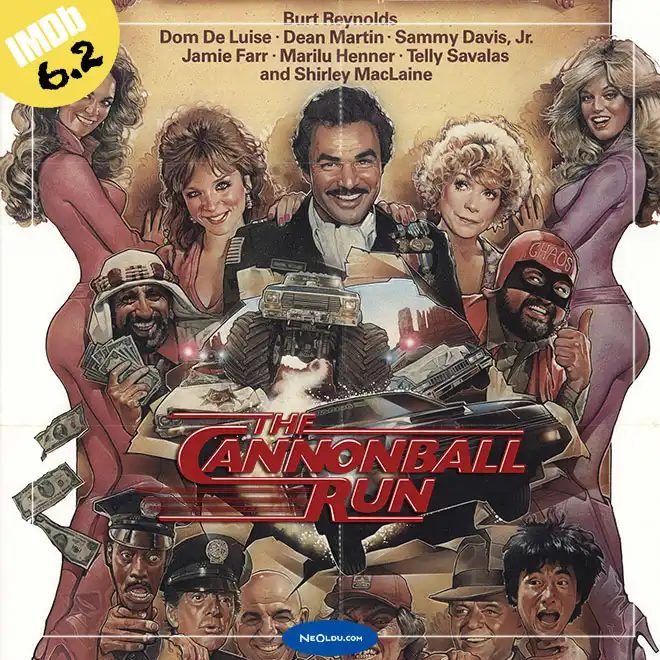
The Cannonball Run: 1981’s Chaos on Four Wheels
If you want a crash course in 1980s car culture, start here. The Cannonball Run isn’t just a movie. It’s a time capsule of excess. Directed by Hal Needham, the film adapts the infamous real-life cross-country road race. The premise is simple. A bunch of eccentric drivers race from New York to California. There are no rules. Only the finish line matters.
The cast reads like a who’s who of early-80s stardom. Burt Reynolds leads the charge. He’s joined by Roger Moore, who plays a James Bond-type with a British accent and a dangerous streak. Farrah Fawcett adds her usual glamorous flair. But the real draw is the sheer volume of cameos. It’s a parade of celebrity drivers and absurd scenarios.
Why It Endures in Car Movie History
People still talk about this film because it captures a specific moment. Before CGI made destruction look cheap, the stunts were real. The car chases feel grounded in physical reality. The comedy is broad. Some of it holds up. Some of it dates the film instantly.
Yet, the energy is infectious. Needham knew how to pace a chaotic sequence. He didn’t shy away from the ridiculousness of the source material. The movie embraces the stunt-heavy action. It leans into the spectacle.
The Cannonball Run remains a staple of the action-comedy genre, defined by its star power and high-octane set pieces.
The Verdict on a Classic
At 6.2 on IMDb, the score is decent. It’s not perfect. The plot is thin. The characters are archetypes. But the entertainment value is high. For fans of classic Hollywood glitz mixed with vehicular mayhem, it’s a must-watch. It sits comfortably alongside other automotive classics. It’s a fun, loud, and fast ride. Just don’t expect deep character arcs. The cars are the stars. The drivers are just there to steer.
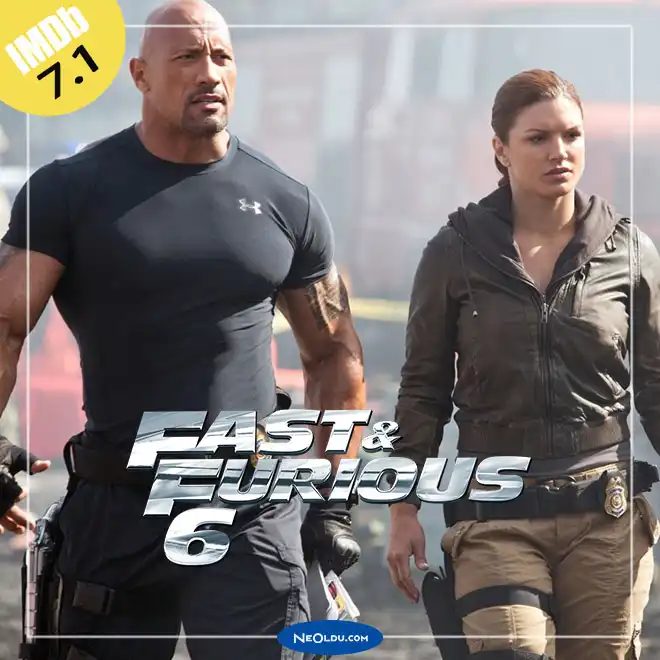
Why Fast & Furious 6 Works Despite the Plot Holes
The premise is almost laughable in its simplicity. Jason Statham’s Hobbs shows up with a problem only one man can solve. A terrorist named Shaw is destabilizing twelve different countries, and the only way to stop him? Drag Dom Toretto out of hiding. The team is scattered. They’re living off the grid. But then comes the hook that everyone was waiting for: Letty. She’s alive. Not dead. Just… hiding. It’s a cheap emotional lever, sure, but it works. You feel it in the room.
Vin Diesel and Paul Walker aren’t just acting here; they’re performing a high-octane ballet of destruction. The cast is thin on depth but thick on chemistry. Dwayne Johnson adds that necessary muscle, stepping into the government suit with zero apologies. Justin Lin, returning to the director’s chair, knows exactly what the audience wants. Less talking. More metal on metal.
Tür: Aksiyon, Gerilim
Yönetmen: Justin Lin
Oyuncular: Vin Diesel, Paul Walker, Dwayne Johnson
Yıl: 2013
IMDb: 6.3
17. Death Race (Ölüm Yarışı) (2008) – IMDb: 6.4
If you think Fast & Furious is over-the-top, Death Race is pure adrenaline injected directly into the bloodstream. It’s 2013’s spiritual predecessor in terms of excess, but with a dystopian twist. Frank “Jensen” Martin, played by Jason Statham, is a lifer in a maximum-security prison. The only way out? Race.
The catch? You don’t just drive. You drive armored tanks. You shoot other drivers. You kill to escape. It’s Mad Max meets The Running Man, stripped of all nuance and replaced with neon lights and gunfire. Statham plays the stoic type perfectly—tough, quiet, and brutally efficient.
This isn’t a movie for those who care about plot logic. It’s for the eyes. The stunts are practical. The cars look heavy. The violence is sudden and messy. IMDb gave it a 6.4, which is generous, but the entertainment value is undeniable. It’s a spectacle. A loud, messy, glorious spectacle. And in the landscape of mid-2010s action cinema, that’s often enough.
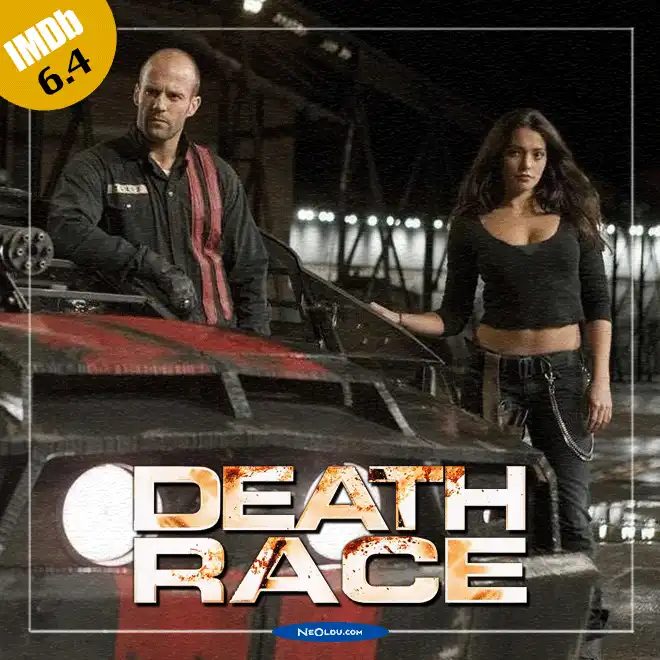
Jensen Ames didn’t ask for this. He just wanted his freedom. But in the dystopian landscape of Death Race, the path to liberty is paved with shattered metal and blood. Paul W. S. Anderson directed the chaos, turning a prison into a gladiatorial arena where inmates drive customized death machines against each other. Jason Statham played Ames with that signature deadpan grit we’ve come to expect. It’s not subtle. It’s loud, it’s violent, and it works for the genre.
The film dropped in 2008. It hit an IMDb score of 6.4. Not a masterpiece, but a solid entry in the high-octane canon. Tyrese Gibson and Joan Allen held their own in supporting roles. The genre mix is pure adrenaline: action and thriller elements blended until you can’t tell which is which.
18. Need for Speed (Hız Tutkusu) (2014) – IMDb: 6.5
Then came Need for Speed. The year was 2014. The rating sat at a slightly higher 6.5 on IMDb. It wasn’t just a movie; it was a love letter to car culture. Based on the video game series, it promised real cars and real stunts. Aaron Paul starred as Tobey Marshall, a street racer framed for a crime he didn’t commit. His goal isn’t just survival. It’s revenge.
The plot follows Tobey and his crew as they enter the most dangerous cross-country race in history. The Need for Speed franchise translation to screen required balancing video game nostalgia with cinematic pacing. Did it work? Mostly. The car chases are legitimate. The production value is high. But the story? It’s thin.
Comparing Death Race to Need for Speed is interesting. One is a dystopian prison escape. The other is a revenge thriller set on open roads. Both rely on the visceral appeal of machinery and speed. One features modified wrecking balls. The other features pristine Porsches and Lamborghinis.
Why do these films resonate? They tap into a fantasy of control. In a chaotic world, sitting behind the wheel offers a sliver of order. The engine roars. The tires grip. You are moving forward. It’s simple. It’s effective.
The cast in Need for Speed included Dominic Cooper and Imogen Poots. The direction leaned heavily into visual flair. It’s less about dialogue and more about the scream of an engine. Fans of the game might have expected more references. They got a solid action movie instead.
Is there a difference in how these two films treat their protagonists? Jensen Ames is fighting for freedom from a system that wants him dead. Tobey Marshall is fighting for his name and his friends. Both are trapped. Both use cars as their only weapon. The stakes are life or death in both cases. The tone varies. One is gritty and claustrophobic. The other is bright, sunny, and expansive.
The automotive world in these films serves as a character itself. In Death Race, the cars are weapons of mass destruction. In Need for Speed, they are extensions of the driver’s identity. This distinction matters. It changes
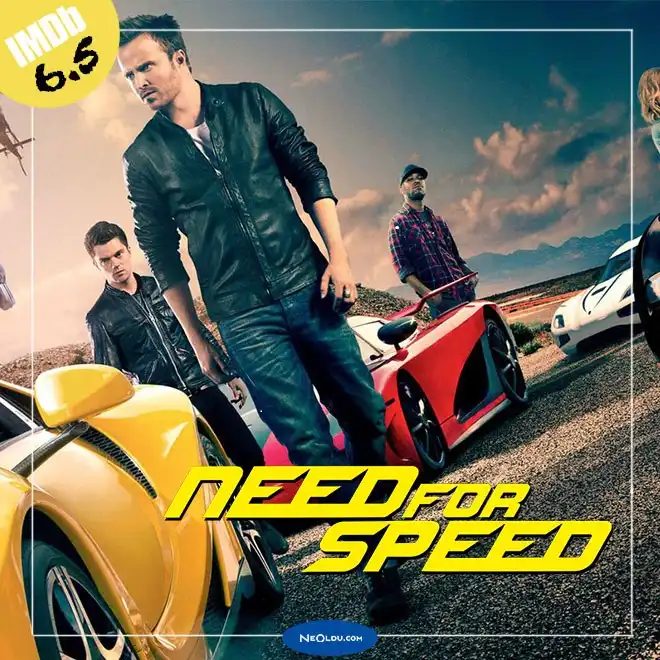
Scott Waugh’un yönettiği Need for Speed, aslında sadece bir oyun uyarlamasından ibaret değil. Bir intikam hikayesi. Aaron Paul’ün canlandırdığı karakter, haksız bir suçlamayla hapse atılıyor. Çıkınca yapacak tek şey var: geri almak. Ve bunu yapmak için en büyük sokak yarışlarına girmek zorunda.
Oyun tutkunları için bu film, “NFS” dünyasını sinemaya taşıyan bir deneyim. Araba sahneleri gerçek. Kovalamacalar yüksek tempo. Sessizce geçmez.
Tür: Aksiyon, Gerilim
Yönetmen: Scott Waugh
Kadro: Aaron Paul, Dominic Cooper, Imogen Poots
Çıkış: 2014
IMDb Puanı: 6.5/10
60 Saniye (2000) – IMDb: 6.5
Listede hemen arkasında gelen Gone in 60 Seconds, yani 60 Saniye, o dönemin efsanesi. Nicolas Cage’in başrolünde olduğu bu yapım, çalınmış arabaların peşinden koşan bir hırsızın öyküsünü anlatıyor.
Need for Speed gibi o da otobiyografik bir his veriyor. Ama 60 Saniye daha çok bir oğlan filmi. 90’ların sonu, 2000’in başı estetigi. Modifiye araçlar. Şehrin gece yarısı sokakları.
İki film arasındaki fark? Need for Speed daha modern, daha dijital. 60 Saniye ise o dönemin analog tutkusunu yansıtıyor. Hangisini sevdiğiniz, hangi nesilden geldiğinize bağlı. Ama her ikisi de pedalları yere bastırmak için var.
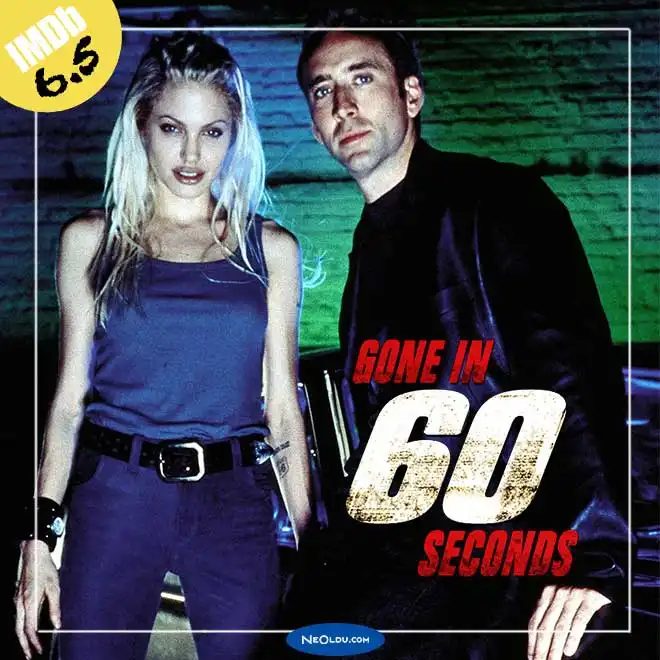
Nicolas Cage’in başrolünde olduğu Gone in 60 Seconds (2000), otomobil hırsızlığı ve yüksek hızlı kovalamacalarıyla öne çıkan bir aksiyon klasiğidir. Randall Rains adlı eski bir araba hırsızı, kardeşini kurtarmak için 50 arabayı tek gecede çalma görevine yeniden döner. Angelina Jolie ve Robert Duvall gibi ünlü isimlerin de yer aldığı film, Dominic Sena’nın yönetmen koltuğunda oturduğu 2000 yapımı bir eserdir. IMDb puanı 6.5 olan bu gerilim ve aksiyon dolu film, günümüzde bile otomobillere olan hayranlığı olanlar için izlenmesi gerekenler arasındadır.
20. Taxi 2 (Taksi 2) (2000) – IMDb: 6.5
Fransa’nın Marsilya sokaklarında geçen Taxi 2, ilk filmdeki başarının üzerine inşa edilen, daha fazla hız, daha fazla komedi ve daha fazla patlama içeren bir devam filmidir. Şoför Daniel Parisot, polis dedektifi Emilien Coutant-Kerbousian ile birlikte bir Japon gangster grubu tarafından kaçırılan bir büyükelçiyi bulmak için yarış saati geçer.
Filmin en büyük özelliği, gerçekçi ve adrenalin dolu araba kovalamaca sahneleridir. Fransız yapımı bu film, otomobil tutkunları için Gone in 60 Seconds ile karşılaştırılabilir bir deneyim sunar. Ancak Taxi 2, daha hafif bir tona sahip olup, aksiyonun komedi unsurlarıyla iç içe geçtiği bir yapısıyla dikkat çeker. IMDb’de 6.5 puan alan bu film, 2000 yılının en eğlenceli sürüş sahnelerine sahip eserlerinden biri olarak kabul edilir.
Daniel ve Emilien’in karakter dinamikleri, film boyunca hem gerilimi hem de mizahı dengede tutar. Özellikle Marsilya’nın dar sokaklarında geçen kovalamaca sahneleri, izleyiciyi ekranın önünde tutmayı başarır. Taxi 2, sadece araba hırsızlığı veya kovalamaca değil, aynı zamanda dostluk ve takım çalışması üzerine de bir hikaye anlatır. Bu yönüyle, Gone in 60 Seconds gibi daha karanlık ve dramatik temalar içeren filmlere alternatif sunar.
2000 yılında vizyona giren Taxi 2, dünya çapında büyük bir başarı elde etmiş ve devam filmlerine kapı aralamıştır. Fransız sinemasının bu ikonik serisi, otomobil kültürünü sevenler için vazgeçilmez bir parça haline gelmiştir. Özellikle Marsilya’nın atmosferi ve Fransız şoförlüğünün gösterdiği hız, filmi benzersiz kılan unsurlar arasındadır.
“Hız bir yaşam tarzı
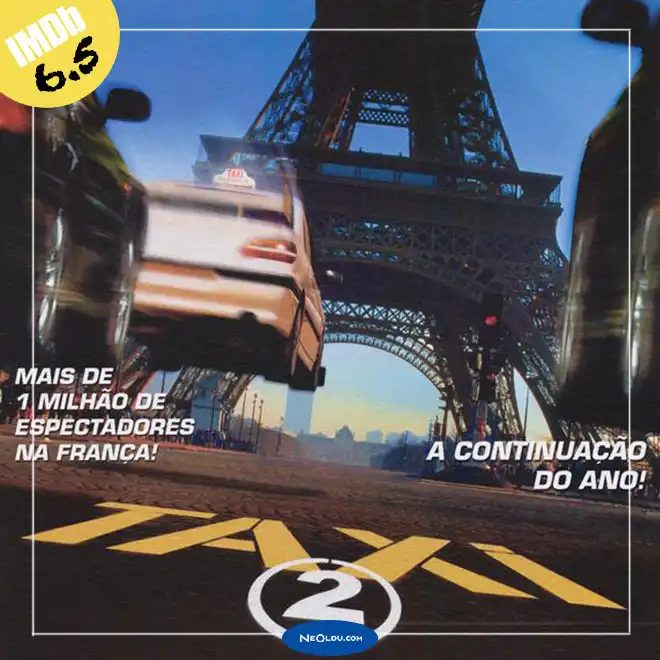
Taxi 2: Marsilya’daki Şaka ve Hız
Gérard Krawczyk’un yönetmen koltuğunda oturduğu Taxi 2, 2000 yapımı aksiyon komedi serisinin ikinci halkası. Frank Martin’li Transporter filmleri akla gelmeden önce, Daniel (Samy Naceri) ve Emilien (Frédéric Diefenthal) bu sokaklarda sürüyordu. Filmin ana çatışması basit. Japon büyükelçi Marsilya’ya gelir. Amacı Fransa polisi incelemek. Hemen ardından Yakuza devreye girer. Büyükelçi kaçırılır.
Geleneksel olarak, DanieI’ın taxisini kullanıp, Emilien’in ise polis şakalarıyla geçen bir gün geçirmek yerine, durumu çözmek için yeniden el ele vermesi beklenir. Ancak bu seferki tempo daha yüksek. Daha hızlı. Daha gürültülü. Marion Cotillard da kadroda. Fransa’da büyük bir fenomen olan bu seri, Taxi 2 ile zirvesine ulaşır.
IMDb puanı 6.5. Eleştirmenler kararsız. Seyirciler ise hız tutkunudur. Komedi ve aksiyon sevenler için keyifli bir tercih olduğu kesin.
Joy Ride (Asla Yabancılarla Oynama) (2001) – IMDb: 6.6
Listemizin 21. sırasına Joy Ride (Türkçe adıyla Asla Yabancılarla Oynama ) giriyor. 2001 yapımı bu gerilim filmi, Taxi 2 ’den tamamen farklı bir atmosferde. Burada şaka yok. Komedi de yok. Sadece tepedeki büyük kamyonun arkasındaki karanlık bir tehdit var.
Paul (Steve Zahn), modası geçmiş bir kardeşiyle (Kirshner Schiffer) yolculuk yaparken bir hatadan dolayı bir kamyon şoförünü (Kurt Fuller) sinirlendirir. Şoför intikam için onu takip etmeye başlar. Telefonla rahatsız eder. Tehdit eder. Paul için bu bir oyun değil. Bu bir hayatta kalma mücadelesidir.
Gerilim ve Psikolojik Baskı
Film, Joy Ride nasıl bir gerilim yaratır sorusunun cevabını veriyor. Geleneksel kovalamaca filmlerinden farklı olarak, burada fiziksel çatışmalardan çok psikolojik baskı ön planda. Kamyon şoförünün yüzünü görmemek bile korkutucu. Ses tonu. Kullandığı kelimeler.
Steve Zahn’ın performansı, bir sıradan adamın nasıl çıldırabileceğini gösteriyor. Kurt Fuller ise o soğuk, hesaplanmış intikamcı profilini çok iyi yansıtıyor. Yönetmen John Dahl, temposu düşürmeden gerilimi zirvede tutmayı başarıyor.
IMDb puanı 6.6. Taxi 2 ’den daha karanlık. Daha az eğlenceli. Ama daha geril
John Dahl’s Joy Ride: The Thriller That Preceded Walker’s Blockbuster Fame
Paul Walker wasn’t just a face. He was a character in a tense, gritty road thriller that most people forget exists. Joy Ride (2001) centers on two brothers taking a cross-country drive. They get bored. Naturally.
They decide to prank a truck driver over CB radio. It starts as a joke. It ends with the trucker taking it seriously. And he brings a knife.
John Dahl directed the film. He’s known for sharp, mean-spirited thrillers. The genre mix is hard to pin down. Action. Thriller. Adventure. It’s less about the car and more about the fear.
The cast is small but effective. Steve Zahn plays the older, cynical brother. Leelee Sobieski is the sister who tries to intervene. Walker plays the younger sibling. He was still finding his footing in Hollywood. Here, he’s not charming. He’s terrified.
The movie has an IMDb score of 6.6. It’s a cult favorite for those who like tension over spectacle. It’s not pretty. It’s relentless.
22. Fast and Furious 4 (2009) – IMDb: 6.6
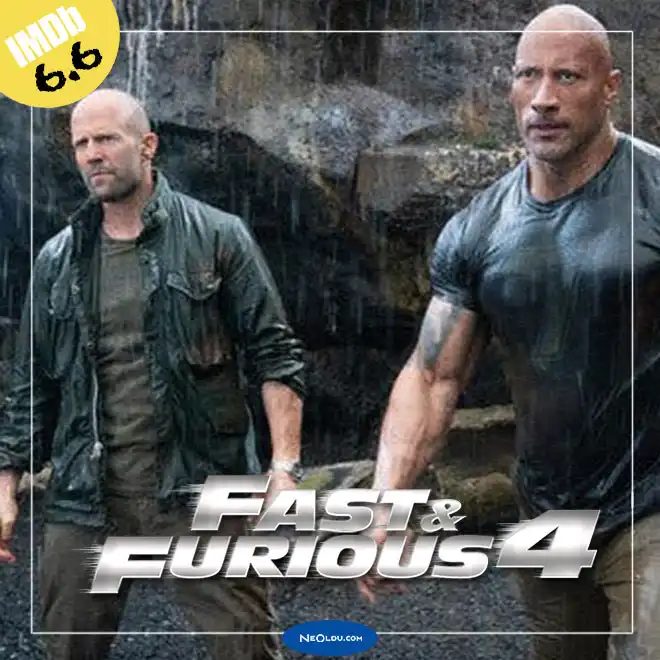
Fast and Furious 4: When Enemies Become Allies
It’s 2009. The world isn’t ready for what comes next, but Fast and Furious 4 didn’t care. This is the film that changed everything. It’s the fourth entry in the saga, yet it feels like the true beginning of the modern era.
Dom Toretto and Brian O’Conner are back. But this time, they aren’t trying to arrest each other or outrun each other. They are standing shoulder-to-shoulder.
Why? Because there is a bigger threat. A common enemy. A cartel kingpin who forces two brothers-in-law to bury the hatchet.
Justin Lin took the director’s chair. And he brought something the previous films lacked. Grit. Stakes. Consequences. The street racing is still there. The nitrous is still firing. But now, it’s not just about winning a race. It’s about survival.
Vin Diesel and Paul Walker deliver performances that ground the madness. Jordana Brewster adds the emotional weight. The IMDb score sits at a solid 6.6. But the cultural impact? That’s off the charts.
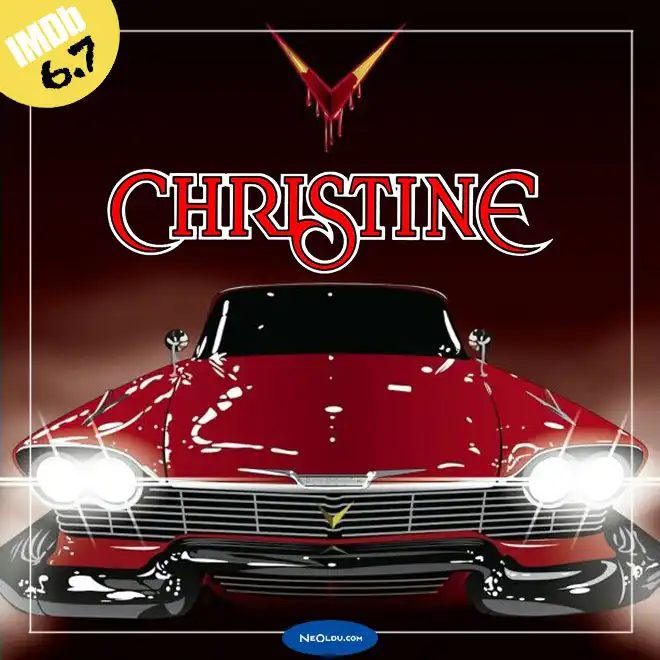
23. Christine (Katil Otımobil) (1983) – IMDb: 6.7
If Fast and Furious is about the machine as an extension of the driver, John Carpenter’s Christine is about the machine as a master.
Released in 1983. Based on Stephen King’s novel. A remake of The Car (1978), but far darker. Far more personal.
The car is a 1958 Plymouth Fury. Painted a glossy, blood-red. It was once owned by a teenager who committed suicide in the garage. The new owner? Arnie Cunningham.
Arnie is a pushover. A loner. Bullied at school. When he buys the rusted-out Fury, he sees potential. He starts restoring it. Cleaning it up. Polishing the chrome.
But the car doesn’t just get clean. It gets alive.
Christine is not a possession. She is a predator. And she has a grudge.
The Psychology of Resentment
“She’s my car. And I’m hers.”
Arnie doesn’t just love the car. He identifies with it. Both are outcasts. Both are damaged. When Christine starts protecting Arnie from his bullies, she isn’t just being loyal. She is rewriting reality.
The violence escalates. Fast.
People get hurt. People die. And Arnie doesn’t stop the car. He encourages it.
Why It Works
Carpenter avoids the gimmick. This isn’t a slasher film where the car is a tool. The car is the killer. The relationship between Arnie and Christine is toxic, codependent, and terrifying.
You see the reflection of Arnie’s own anger in the car’s headlights. He wants to be powerful. He wants to be feared. Christine gives him that power. At a cost.
The Ending
Without spoiling the final twist too heavily, the conclusion is one of the most iconic in horror history. It recontextualizes everything you just watched.
It’s not
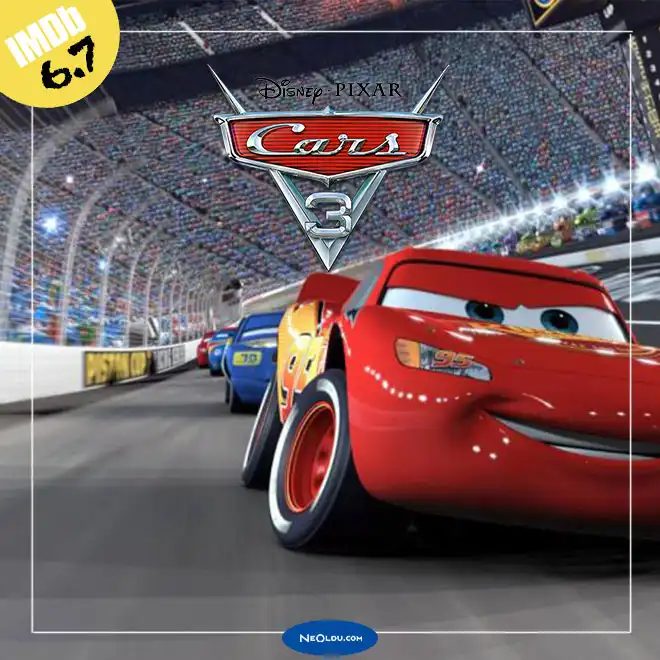
Why Cars 3 Still Holds a 6.7 IMDb Rating
It’s strange to think about how a movie about sentient vehicles can generate genuine tension. Christine proved that metal and rubber could be scary. It proved a 1958 Plymouth Fury could have a soul. But Cars 3 asks a different question. Can an old engine still win? The answer isn’t simple.
The film follows Lightning McQueen. He is older. He is slower. The world has moved on. New racers are faster. They are sleek. They are digital. McQueen faces obsolescence. This isn’t just sports drama. It’s a meditation on aging. On relevance. On letting go.
The Mentor Dynamic and Racing Physics
There’s a new character. Jackson Storm. He is the antithesis of McQueen. Built by technology. Driven by data. He doesn’t have instinct. He has algorithms. The racing scenes feel different. They are sharper. More aggressive. The CGI is top-tier. You can feel the heat. You can hear the tires scream.
Then there’s Cruz Ramirez. She wants to race. But she can’t. She needs guidance. Enter Doc Hudson’s legacy. Even in death. The lessons stick. The training montage works. Not because it’s cliché. But because we care if McQueen fails.
Nostalgia vs. Innovation
Some fans hated Cars 3. They missed the charm of the first film. They said it was too corporate. Too Pixar-polished. But it has heart. It respects the history of racing. It honors the veterans. It asks a hard question. What happens when you lose your spark?
The score helps. Thomas Newman’s music swells. It feels big. It feels earned. The voice acting is solid. Owen Wilson brings McQueen’s weariness. Larry the Cable Guy brings Cruz’s enthusiasm. It balances out.
So why the 6.7? It’s not a masterpiece like The Incredibles. It’s not a disaster like Turbo. It’s solid. It’s competent. It delivers exactly what you expect. A race. A loss. A redemption. But the road there is bumpy. The pacing drags in the middle. The villain is a bit one-note. Storm is just mean. He lacks depth.
Still. The final lap holds up. The visuals are stunning. The emotional beat lands. For a family film. It’s surprisingly mature. It deals with fear. With failure. With the end of an era.
Is It Worth Watching Now?
Yes. If you like racing. If you like underdog stories. It’s harmless fun. It’s safe. It’s not groundbreaking. But it’s well-made. The animation holds up. The story is tight. It doesn’t overstay its welcome.
Compare it to Cars 2. Cars 2 was spy nonsense. Cars 3 is pure sport. It goes back to basics. Engines. Tires. Track. It strips away the gadgets. It focuses on the driver. And the machine.
That simplicity works. It’s refreshing. After years of complex sequels. It’s just a boy and his car. Well. A young woman and her mentor’s ghost. And a bunch of talking trucks.
The message is clear. Age
The neon glow of Radiator Springs fades into the harsh, high-stakes reality of Cars 3. This isn’t a story about nostalgia. It’s a brutal look at what happens when technology outpaces talent. Lightning McQueen is old news. The new generation of race cars—sleek, data-driven, and utterly unforgiving—has arrived, and they don’t care about his legacy. He’s struggling. His best laps are gone. His confidence is shattered.
Enter Cruz Ramirez. She’s not just a sidekick. She’s the catalyst for McQueen’s survival.
Pixar didn’t just make a sequel here. They made a meditation on obsolescence. How do you stay relevant when everything you built is suddenly considered obsolete? The answer isn’t to fight the new guard with brute force. It’s to adapt. With Cruz’s coaching and a fresh perspective on driving, McQueen finds a way back to the track. It’s not about being the fastest car in the field anymore. It’s about finding a new way to win.
The Director’s Vision
Brian Fee stepped in to guide the series into its third act. He understood that the heart of Cars wasn’t just the cars. It was the people behind them. The film pivots hard on themes of mentorship and resilience. McQueen isn’t just racing against other vehicles. He’s racing against his own mortality as a competitor.
The Cast Behind the Wheels
Owen Wilson brings McQueen back one last time with the weight of experience in his voice. Cristela Alonzo shines as Cruz Ramirez, providing the energy and technical insight that McQueen lacks. Chris Cooper plays the gruff but wise mentor figure, grounding the emotional stakes. These aren’t just voices. They’re the anchors of a story about passing the torch.
Why It Matters
Released in 2017, Cars 3 holds an IMDb score of 6.7. Critics were split. Some called it redundant. Others saw it as a poignant farewell to an era. The film doesn’t shy away from the pain of losing your spark. It’s messy. It’s real. And for many fans, it’s the perfect ending to McQueen’s journey.
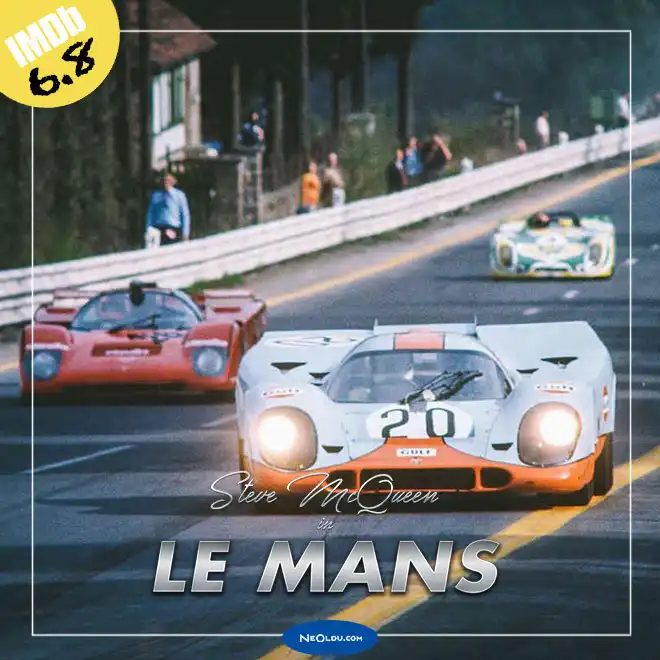
25. Le Mans (1971) – IMDb: 6.8
Before Cars 3 could explore the digital age of racing, there was Le Mans. Released in 1971, this film is a pure, unadulterated love letter to the sport. No CGI. No talking cars. Just humans, machines, and death.
Steve McQueen stars as a racing driver named Michael Delaney. He’s driven by an obsession with speed and a deep-seated fear of failure. The film was shot on location at the actual 24 Hours of Le Mans race. McQueen did some of his own driving. The footage is grainy, intense, and breathtaking.
The Real Stakes
IMDb rates it 6.8. Why? Because it feels real. The crashes are brutal. The boredom of waiting for the race to start is palpable. The camaraderie among the drivers is fragile. There are no speeches about friendship or destiny. Just the grind of competition.
Why Le Mans Is Still the Gold Standard for Racing Movies
If you’ve never sat through the original Le Mans, you’re missing a masterclass in visual storytelling. Released in 1971, this isn’t your typical Hollywood biopic. Director Lee H. Katzin and star Steve McQueen made a deliberate choice to strip away the melodrama. The dialogue is sparse. Almost nonexistent in some scenes. Instead, the film lets the roar of engines do the talking.
McQueen didn’t just play a character. He lived the role. He drove the real cars. He crashed the real cars. The result is a gritty, kült (cult) favorite among araç tutkunları and cinephiles who prefer grit over gloss. It’s an aksiyon and macera film that feels more like a documentary than a script.
Here’s the breakdown of why this IMDb 6.8 rated gem holds up:
- Yönetmen: Lee H. Katzin
- Başrol: Steve McQueen
- Diğer Oyuncular: Siegfried Rauch, Elga Andersen
- Çıkış Yılı: 1971
- IMDb Puanı: 6.8
The realism comes from the actual 24 saatlik Le Mans dayanıklılık yarış ı footage. They didn’t fake the speed. They didn’t fake the danger. The camera stays low, close to the tarmac, giving you a visceral sense of what it’s like to push a Ferrari or Porsche to its absolute limit. It’s intense. It’s beautiful. And it’s still relevant.
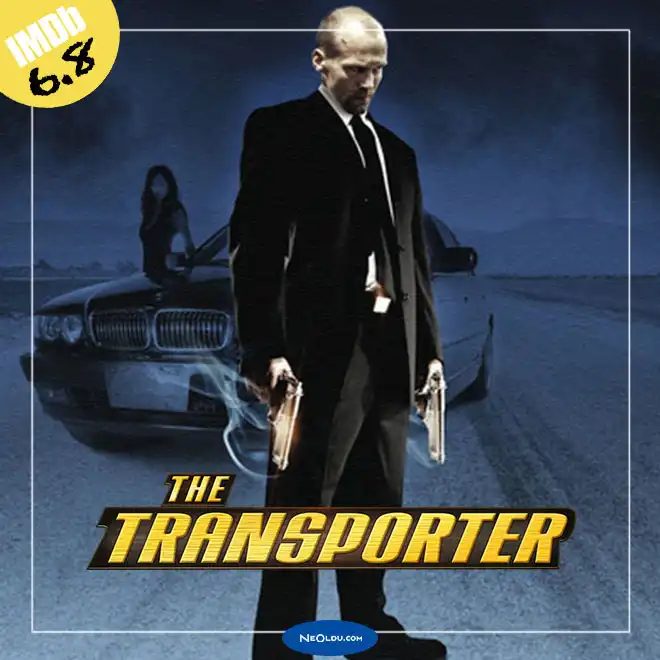
26. The Transporter (Taşıyıcı) (2002) – IMDb: 6.8
Why The Fast and the Furious Is the Ultimate High-Stakes Heist Movie
You wouldn’t guess it by looking at the title, but The Fast and the Furious is, at its heart, a heist film with a horsepower problem. It’s the story of Dom Toretto, played by Vin Diesel, and his tight-knit crew of street racers who run illegal underground races and drag cars out of the country. The plot kicks into gear when Brian O’Conner, an undercover cop played by Paul Walker, is assigned to infiltrate the group. His mission? Find out where the stolen vehicles are going and who is buying them.
The premise is deceptively simple. Brian has to choose between his badge and his brothers. It’s a moral dilemma wrapped in chrome and nitrous. The movie doesn’t just rely on explosions. It leans into the family dynamic. Dom’s crew operates by a code. Loyalty is the currency. Betrayal is the death sentence.
The Chemistry Between Paul Walker and Vin Diesel
What makes this 2001 release stick in your memory isn’t just the 0 to 60 times. It’s the chemistry. Paul Walker and Vin Diesel have a magnetic pull. You believe they have known each other for years. They share meals. They share secrets. They share a garage.
Director Rob Cohen keeps the camera moving. He doesn’t let the scenes breathe too much. The editing is choppy in a way that mimics the adrenaline of a street race. You don’t get time to think. You just get time to feel the speed.
Where Do the Stolen Cars Go?
The mystery at the center of the plot is straightforward. Who is moving the cars? The answer points to a massive operation. The scale is bigger than the characters initially realize. It’s not just about street racing. It’s about organized crime. The stakes rise when Brian realizes the people he’s befriended are in over their heads.
Which Film Defines Early 2000s Car Culture?
If you want to know what defined car culture in the early 2000s, this is it. The tuning scene. The sound systems. The specific models like the Dodge Charger and the Toyota Supra. It wasn’t just background decoration. It was central to the characters’ identities. People bought tickets to see the cars. They stayed for the drama.
How Did The Fast and the Furious Change Action Movies?
It shifted the focus. Before this, action movies were often about soldiers or spies. Here, the heroes were working-class kids with a talent. The violence was personal. The stakes were local. But the ambition was global. It proved that you could build a franchise on style and attitude. The budget was modest. The result was huge.
The Legacy of the First Film
The IMDb score sits around 6.8. Not a masterpiece by critical standards. But culturally? It’s massive. It launched a billion-dollar franchise. It made Paul Walker a star. It made Vin Diesel a household name. It turned street racing into a mainstream spectacle.
The ending leaves you with a question. Does Brian turn himself in? Or does he join the crew? The movie chooses ambiguity. It hints at betrayal but ends on a note of brotherhood. It sets up the conflict for the sequels. It leaves you
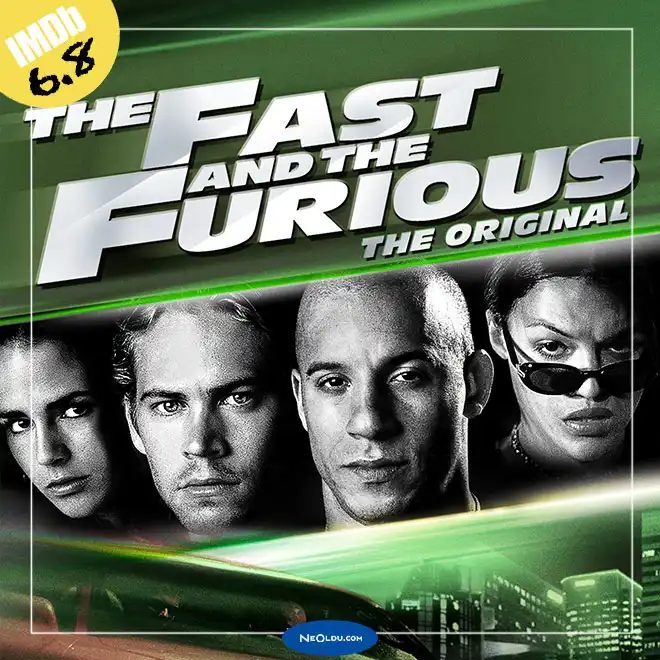
The street racing genre has a origin story, and it’s messy. The Fast and the Furious didn’t just start a franchise; it built a world where chrome gleams under neon lights and loyalty is the only currency that matters. Dominic Toretto and his crew are master thieves, specializing in high-value auto parts. Then comes Brian O’Conner, an undercover cop who gets pulled into the life. He’s supposed to be taking them down. Instead, he bonds with them. Rob Cohen’s 2001 direction laid the foundation for a billion-dollar empire, turning Vin Diesel and Paul Walker into global icons overnight. It’s gritty, it’s loud, and it scored a 6.8 on IMDb.
But let’s shift gears. Way back in 1953, Hollywood was dealing with a different kind of tension. Not nitrous-oxide-fueled chaos, but psychological dread on a dusty highway.
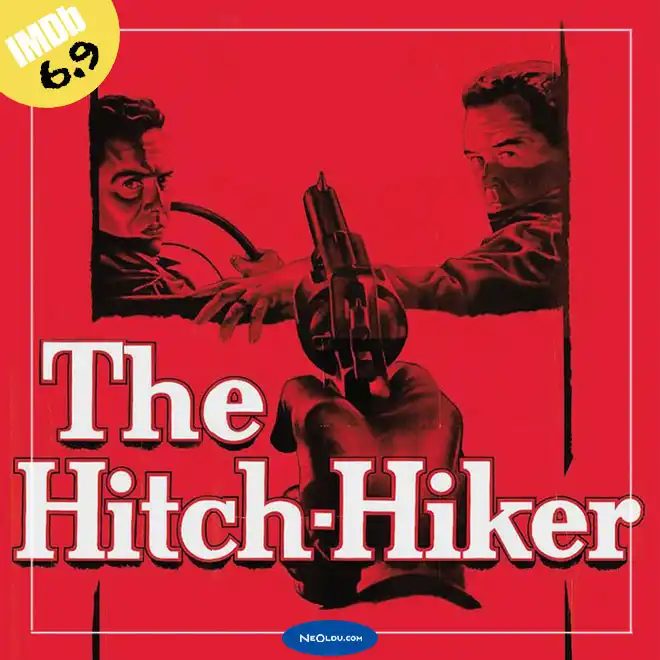
The Hitch-Hiker (1953)
Before Bullitt gave us the pursuit of glory, there was The Hitch-Hiker. Directed by the legendary Ida Lupino, this film isn’t just a movie; it’s a masterclass in low-budget suspense. It stars William Talman as Ernest Sheldrake, a parolee who kidnaps two friends on a fishing trip. He makes them drive him to Mexico to escape the law. But here’s the twist. Sheldrake isn’t just running. He’s obsessed with one of the men, Harris. The dynamic shifts from a standard thriller to something far more unsettling.
The IMDb rating sits at 6.9, slightly ahead of its modern descendant. Why? Because it understands that the real danger isn’t the gun—it’s the gaze.
Ida Lupino, a director who often slipped into the frame to act, brings a cold precision to the screen. She understands that fear is quiet. The desert setting amplifies this. There are no skyscrapers to hide behind. No crowds to blend into. Just heat, sand, and three men trapped in a car. The cinematography by Lucien Andreat captures the blinding glare of the sun, making every shadow feel like a threat.
Why This Matters Now
We live in an era of connected cars and GPS tracking. The Fast and the Furious celebrated technology and muscle. The Hitch-Hiker highlights vulnerability. Without modern distractions, the characters are forced to confront their own humanity—or lack thereof. Sheldrake’s monologue about love and lust is chilling precisely because it comes from a man who has nothing left to lose.
Did you know this film was Lupino’s directorial debut? She stepped in when the original director fell ill. The result is a taut, ninety-minute thriller that still holds up. It doesn’t need explosions. It needs a look.
The Connection
Both films are about men on the run. One runs toward freedom and fame. The other runs from himself. Toretto’s crew fights for their family. Sheldrake’s victims are isolated, stripped of their support systems. The contrast is stark.
Yet, they share a DNA. The road movie. The confined space. The tension between law and chaos. Brian O’Conner
Why Ida Lupino’s The Hitch-Hiker Is Underrated Noir
The 1953 film The Hitch-Hiker stands out not just as a genre entry, but as a bold statement from director Ida Lupino. It is widely considered one of the definitive film noir classics of the era. What makes this picture particularly interesting for modern audiences studying women directors in noir is that Lupino, at the time, was one of the very few women working as a feature film director in Hollywood.
The story is rooted in a real-life crime event that occurred in the Southwest United States. Two fishermen, played by Edmond O’Brien and Frank Lovejoy, are on a fishing trip in Mexico when they pick up a hitchhiker. They soon realize they have made a fatal mistake. Their passenger is a cold-blooded killer named “Hill” (played by William Talman ), who quickly takes control of the vehicle and the situation.
The dynamic shifts rapidly from a mundane road trip to a tense psychological thriller. Hill doesn’t just want money; he wants to maintain power. He forces his companions to participate in a survival game, threatening them with a gun and forcing them to navigate a dangerous landscape. The tension comes from the helplessness of the protagonists. They are trapped with a maniac who is both physically imposing and psychologically manipulative.
Lupino’s direction focuses heavily on the claustrophobia of the car interior. The camera stays close, emphasizing the sweat, the fear, and the proximity of death. The film was actually shot on location in the deserts of Arizona and California, adding a gritty texture that studio sets often lack. This on-location realism is a key reason why the film feels more urgent than many of its studio-produced counterparts.
The cast delivers some of the most intense performances of their careers. William Talman, already famous for playing Perry Mason’s arch-nemesis, leans into the villain role with chilling precision. He plays Hill as charming yet utterly devoid of empathy. Edmond O’Brien and Frank Lovejoy provide the necessary foil, reacting with believable terror and desperation. Their chemistry sells the idea that these men are ordinary guys thrust into an extraordinary nightmare.
Critics initially gave the film mixed reviews, perhaps because of its low budget and Lupino’s gender in a male-dominated industry. However, over time, The Hitch-Hiker has been reappraised. It is now seen as a masterclass in tension. The way Lupino builds suspense without relying on cheap jump scares is impressive. She uses the environment and the dialogue to create an atmosphere of dread.
For fans of classic cinema and 1950s thrillers, this film is a must-watch. It offers a unique perspective on the noir genre. It’s not just about crime and punishment. It’s about vulnerability and the fragility of social order. When you are stuck in a car with a killer, the rules of society don’t apply. Only survival does.
The film’s legacy is cemented by its influence on later road movies and thrillers. You can see echoes of its premise in countless films that followed. Yet, Lupino’s version has a raw energy that is hard to find elsewhere. It was a risk for Universal Pictures, but it paid off. The film holds a solid **IMDb rating of 6.
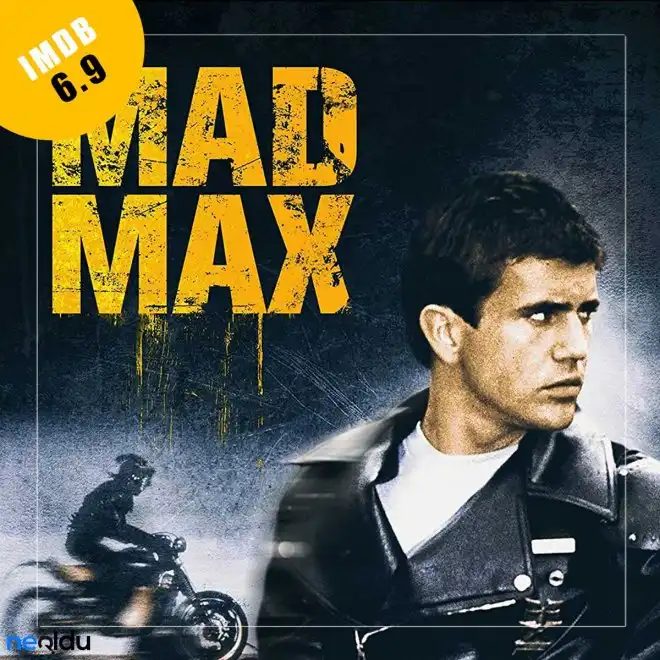
Mad Max kıyamet sonrası Avustralya’nın tozlu ve çıplak düzlüklerinde geçen distopik bir aksiyon filmidir. George Miller’ın yönettiği yapım, eski bir polis memuru olan Max Rockatansky’nin (Mel Gibson) acımasız motosiklet çetelerine karşı sürdürdüğü hayatta kalma ve intikam mücadelesini konu alıyor. Seri daha sonra bir kült fenomenine dönüştü. Tür olarak aksiyon ve bilimkurgu kategorilerinde yer alıyor. Filmin başrolünde Mel Gibson, Joanne Samuel ve Hugh Keays-Byrne bulunuyor. 1979 yapımı bu sinema eseri IMDb üzerinden 6.9 gibi bir not aldı.
Smokey and the Bandit (Çılgın) ise 1977 yılında izleyiciyle buluştu. IMDb’de aynı 6.9 puanıyla Mad Max’i takip ediyor.
Smokey and the Bandit’de karayolunun kaçakları
Smokey and the Bandit, 1977 yapımı bir Amerikan filmidir. Filmin yönetmenliğini Bruce Bilson üstlenmiştir. Başrollerde Sally Field, Jerry Reed ve Jackie Gleason yer almaktadır. Hikaye, bir buzdolabı kamyonuyla yasaklı bir içki nakliyesini konu alır. Bandit olarak bilinen karakter, polis takibinden kaçmayı başarılmış bir kaçaktır. Film, o dönemin otomobil kültürüne ve yasa dışı yarışlara olan ilgisini yansıtıyor.
IMDb puanı 6.9 olan bu yapım, klasik bir karayolu filmi olarak hatırlanır. Eğlenceli ve hafif tonuyla izleyicilerin beğenisini kazanmıştır.
Neden bu iki film yan yana?
Mad Max ve Smokey and the Bandit, farklı evrenlerden geliyor. Birisi kıyamet sonrası bir dünya, diğeri ise modern zamanların yasa dışı maceraları. Ancak her ikisi de otomotiv temalarını merkeze alıyor. Her iki film de 1970’lerin sinema anlayışını yansıtıyor. Aksiyon ve gerilim unsurları ön planda.
Mad Max’te Mel Gibson’un performansı dikkat çeker. Karakterin sertliği ve iç dünyası filmi öne çıkarıyor. Smokey and the Bandit’te ise daha hafif bir ton hakim. Komedi ve aksiyon bir arada sunuluyor. Bu ikili, o dönemin sinema zevkine hitap eden örnekler.
O dönemin izleyicisi için ne anlama geliyor?
1970’ler, sinemada büyük değişimlerin yaşandığı bir dönemdi. Daha sert ve gerçekçi hikayeler tercih ediliyordu. Mad Max, bu trendin bir parçası olarak ortaya çıktı. Smokey and the Bandit ise daha eğlenceli bir alternatif sundu. Her iki film de günümüzde bile hatırlanan yapımlar arasında.
Bu filmleri izlemek, o dönemin sinema kültürünü anlamak için iyi bir başlangıç noktas
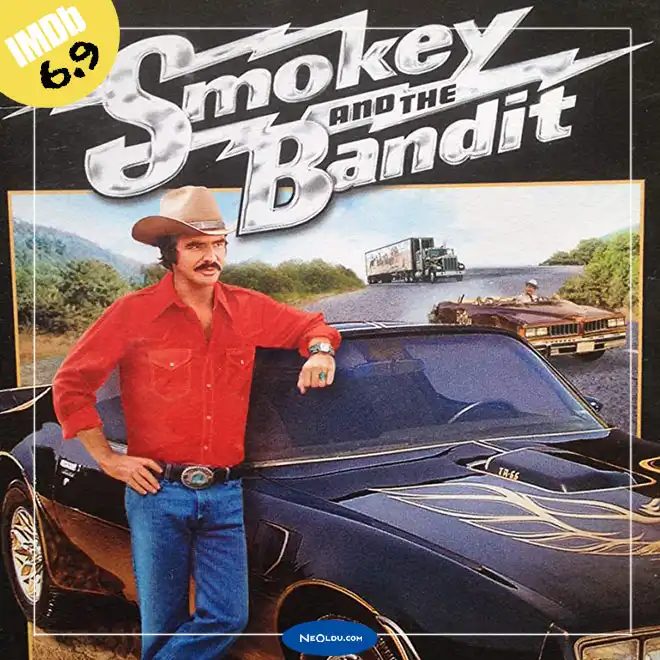
Smokey and the Bandit (1977) ABD’de yasa dışı bira taşıyan bir kamyonun peşindeki macerayı anlatıyor. Bandit ve Cledus, yolda gelinliğinden kaçan bir kadınla tanışır. Onları kamyonuna alır. Ancak gelinin nişanlısının babası şerif Bufort peşlerine düşer. Aksiyon ile komediyi birleştiren film, 70lerin klasik araba kovalamacası türüne örnek gösterilir. Türü aksiyon ve romantik olarak sınıflandırılır. Yönetmen koltuğunda Hal Needham oturur. Oyuncu kadrosu Burt Reynolds, Sally Field, Jerry Reeddan oluşur. Film 1977 yılında vizyona girmiştir. IMDb puanı 6.9dur.
Repo Men (1984) – IMDb: 6.9
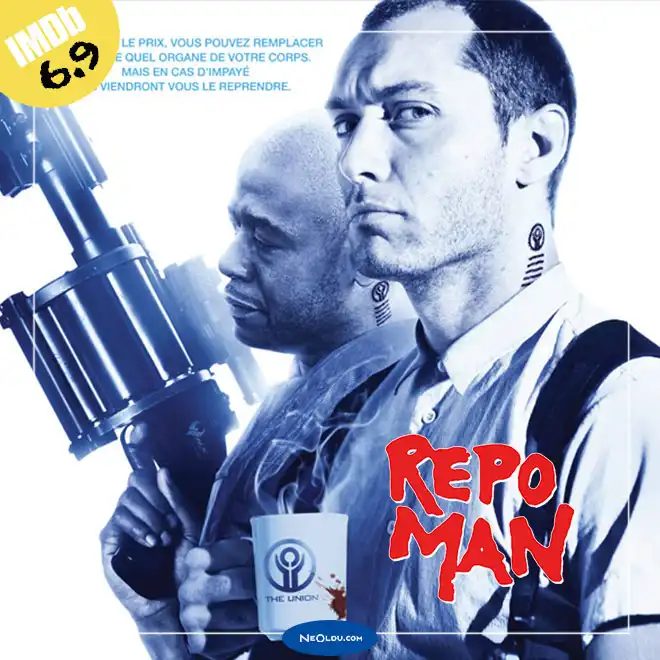
Alex Cox’s Repo Men (1984) is not the same movie as the 2010 sci-fi thriller Repo Men. You need to keep them separate. This 80s cult film follows a young punk who gets dragged into illegal car repossession. It’s not just about towing vehicles. The job takes a bizarre, paranormal turn. Harry Dean Stanton and Emilio Estevez star in this mix of action and sci-fi. The IMDb rating sits at 6.9.
32. Tucker: The Man and His Dream (1988) – IMDb: 6.9
Jeff Bridges, Tucker: The Man and His Dream ile 1988’de bir efsaneyi canlandırdı. Francis Ford Coppola’nın yönettiği bu biyografik drama, Preston Tucker’in 1940’lardaki otomobil projelerini ve otomotiv devi engellerine karşı verdiği savaşı anlatır. Bridges’in performansı, hayallerin peşinden koşan bir girişimcinin otoritelerle olan çetin mücadelesini merkeze alır. Film, dram ve komedi öğelerini harmanlar. IMDb puanı 6.9.
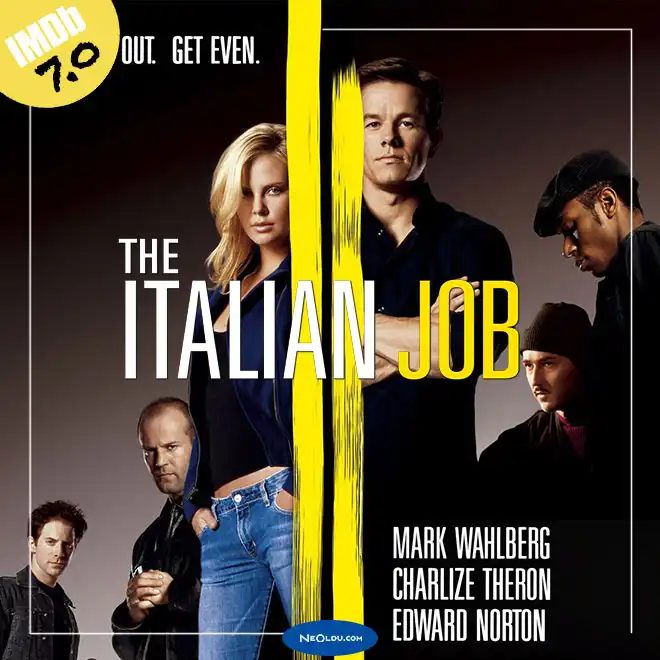
Why The Italian Job (2003) Remains a Top-Rated Heist Film
The Italian Job (2003) holds a solid 7.0 on IMDb, cementing its status as a standout entry in the heist genre.
- Title: The Italian Job
- Year: 2003
- IMDb Score: 7.0
Heist roots of the Transformers reboot era
The 2003 remake of The Italian Job stands as a pivot point in mid-2000s heist cinema. It wasn’t just a cash grab. It was a stylish homage to the 1969 original, filtered through the lens of early-aughts CGI and adrenaline. Mark Wahlberg and Charlize Theron anchored the cast, playing a crew that didn’t just steal gold. They orchestrated chaos.
Their target? The biggest traffic jam in Los Angeles history.
The plan relied on Mini Coopers. Not just any cars. Modified, agile vehicles that could weave through gridlock while the team executed their scheme. The film leaned heavily into the mechanics of the heist genre, using precision and timing rather than brute force. Edward Norton brought his usual intensity to the mix, adding layers to a plot that felt both familiar and fresh.
Directed by F. Gary Gray, the movie balanced spectacle with character dynamics. It wasn’t just about the gold. It was about the execution. The film’s success helped cement the heist subgenre’s place in mainstream pop culture during a decade obsessed with style and speed.
34. Transformers (2007) – IMDb: 7.0
The shift to Transformers marks a different kind of spectacle. One franchise is built on wheels and wit. The other on metal and mayhem. Michael Bay’s 2007 entry didn’t just introduce Optimus Prime and Megatron to a new generation. It redefined blockbuster scale.
The film’s core premise remains simple. Alien robots battle for control of Earth. But the execution? That’s where the magic happens. The visual effects set a new standard. The sound design shook theaters. The action sequences were relentless.
Transformers became a cultural phenomenon. It wasn’t just a movie. It was an event. Fans debated every frame. Collectors hunted every toy variant. The line between entertainment and merchandise blurred.
Why did it resonate? Because it offered something familiar in an unfamiliar package. The robots felt like characters. The stakes felt real. The action felt personal. It was a reminder that movies could still wow us. Even in an age of digital saturation.
The legacy of The Italian Job lives on in smaller heist films. The impact of Transformers echoes in every summer blockbuster. One is about brains. The other about brawn. Both are unforgettable.
The neon-lit streets of Marseille aren’t just a backdrop in Taxi. They are the main character.
Released in 1998, this French cult classic didn’t just entertain; it redefined the action-comedy formula for a generation. While Hollywood was busy grinding out blockbusters, Pierre Salvadori directed a film that felt like a adrenaline rush wrapped in a warm towel. It stars Samy Naceri as Daniel, a former racing driver turned taxi driver with a heart of gold and a foot as heavy as a sledgehammer.
The car culture phenomenon
At the center of the story is Daniel’s Peugeot 406. It’s not just a vehicle. It’s a weapon. Modified to reach speeds that defy physics and safety regulations, the car becomes an extension of Daniel’s own chaotic energy. The film taps into that specific fantasy every driver has had at some point: the desire to go faster than the law allows, without the police catching you.
The plot kicks into gear when Daniel’s best friend, the bumbling Lieutenant Éduard (Frédéric Diefenthal), is framed for a series of violent kidnappings. To clear his name, they need to catch the real culprits. A group of Japanese yakuza members who stole a diamond from the national museum. The heist is clean. Too clean. And Daniel’s taxi is the only thing fast enough to keep up with their getaway.
Why it still resonates
What makes Taxi endure isn’t just the stunts. It’s the chemistry between Naceri and Diefenthal. Their dynamic is pure comic relief mixed with genuine camaraderie. They bicker. They fail. They succeed only when they stop trying to be heroes and start driving like idiots. The dialogue is sharp, often slipping into rapid-fire French slang that adds authenticity to the street-level setting.
The film also popularized a specific aesthetic. The tight shots inside the cab. The wide angles of the car weaving through traffic. The sound of tires screeching against asphalt. It’s a love letter to the mechanical world. For car enthusiasts, the sequences where Daniel drifts around corners at 180 km/h are pure cinema. You can almost smell the burnt rubber.
The global impact
Before Fast & Furious became a franchise about family and nuclear bombs, there was Taxi. It proved that action movies didn’t need giant robots or aliens. They just needed a fast car and a reason to drive fast. The success led to three sequels, expanding the universe and keeping the spirit alive, though nothing quite matched the raw energy of the original.
IMDb rates it at 7.0, a solid score that reflects its status as a beloved classic rather than a masterpiece. But ratings don’t capture the fun. They don’t capture the joy of watching Daniel navigate traffic like a chess grandmaster.
It remains a perfect entry point for anyone who loves cars. Or anyone who just wants to see what happens when you give a taxi driver a supercar engine and no brakes. The chase scenes are still among the best ever filmed. Simple. Effective. Fast.
The High-Octane Origins of a French Comedy Staple
Taxi didn’t just start a franchise. It redefined what a French action-comedy could look like in the late ’90s. Before the sequels diluted the charm, this 1998 debut was raw, fast, and surprisingly heartfelt.
At its core, the story follows Daniel, a taxi driver with a dangerous obsession: speed. He isn’t a cop. He isn’t a villain. He’s just a guy who loves his car too much for his own good. That love becomes a liability when he accidentally gets involved in a police chase. The result? A chaotic, hilarious mess that somehow works.
Gérard Pirès directed the film with a light touch. He knew the comedy came from the contrast between the mundane reality of driving a taxi and the high-stakes world of criminal chases. Samy Naceri plays Daniel with a swagger that feels entirely natural. You believe he could drive through a brick wall and not break a sweat. Frédéric Diefenthal plays the straight man, a cop who is constantly trying to keep up. His frustration is the anchor in Daniel’s chaos.
Marion Cotillard appears early in her career. She’s not yet the Oscar-winning actress we know today. But she holds her own against the heavyweights. Her performance adds a layer of sophistication to the gritty streets of Marseille.
The film’s success wasn’t accidental. It tapped into a specific cultural moment. France had long been dominated by Hollywood blockbusters. This film proved that local stories could compete on the same level. The action sequences were practical. No green screens. Just real cars, real stunts, and real danger.
It set the template for everything that followed. The sequels would try to top the original. They rarely succeeded. But the first film remains the benchmark.
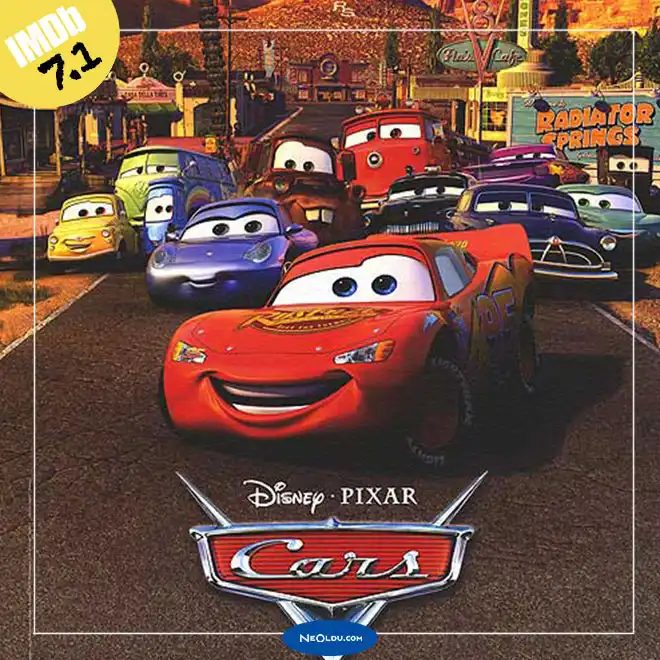
36. Cars (Arabalar) (2006) – IMDb: 7.1
The jump to animation might seem jarring. But the logic of speed remains.
Cars brought a different kind of adrenaline to the screen. Pixar shifted gears entirely. They moved from human drama to anthropomorphic vehicles. The story focuses on Lightning McQueen, a hotshot race car who gets stranded in a small town.
It’s a redemption arc. Classic Pixar stuff. But the details matter. The way the cars interact with the world. The suspension systems. The engines. Every detail feels researched. The film respects automotive culture in a way few other movies do.
Lightning McQueen starts as an arrogant jerk. He only cares about winning. The small town forces him to slow down. To connect with people. Or rather, with other cars.
The voice cast adds weight. Owen Wilson brings the charismatic energy. Bonnie Hunt provides the heart. The film isn’t just for kids. It’s for anyone who has ever fallen in love with a machine.
The visual style is bright. Saturated. It captures the essence of the American road trip. Route 66 is more than a setting. It’s a character.
The success of Cars proved that Pixar’s formula was adaptable. They could take any subject and make it emotional. The cars aren’t just props. They have histories. They have fears.
It’s a different kind of thrill. Not the rush of a near-miss accident. But
37. Furious 7 (Hızlı ve Öfkeli 7) (2015) – IMDb: 7.2
Route 66’in tozlu yollarından Los Angeles’ın beton yığınlarına atlayalım. Cars o sıcak, nostaljik atmosferi bırakıp Furious 7 (veya Teksas’ta kullandığımız adıyla Hızlı ve Öfkeli 7 ) sahnesine geçiyor. 2015 yılında vizyona giren bu film, serinin en yüksek puanlı yapımı olarak karşımıza çıkıyor. IMDb’deki 7.2 puanı, sadece aksiyonun değil, duygusal derinliğin de çalıştığını gösteriyor.
Yönetmen James Wan ’ın koltuğunda oturduğu bu bölüm, franchise’ın tonunu sert bir şekilde değiştirdi. Daha önceki filmlerdeki çete savaşı havası yerini, bireysel bir intikam ve aile temasına bırakmıştı. Dominic Toretto (Vin Diesel) ve ekibi, bu sefer global bir tehditle uğraşıyor. Deckard Shaw (Jason Statham) karakteri, önceki bölümlerdeki daha yarı-gerçekçi suç unsurlarından sıyrılıp, neredeyse süper kahraman filmlerindeki gibi abartılı yeteneklerle geliyor. Bu değişiklik bazı hayranları kızdırdı ama izleyici kitlesini genişletti.
En büyük olay ise sahnelerin arkasında yaşananlar. Paul Walker, çekimler devam ederken hayatını kaybetti. Yapım ekibi, filmin sonunu yeniden yazmak zorunda kaldı. CGI ve Walker’ın kardeşi Caleb Walker kullanarak, Dom ve Brian O’Conner (Walker) arasındaki vedalaşma sahnesini yarattılar. Bu sahne, sinema tarihindeki en acı verici ama en güçlü anlardan biri olarak kabul ediliyor.
Neden bu kadar iyi puan aldı?
– Duygusal bağ: Brian ve Dom’un dostluğu, aksiyonun ötesine geçiyor.
– Aksiyon stili: Stuntlar daha gerçekçi ve fiziksel ağırlıkta.
– Musik: Fast Car cover’ı, sahneye inanılmaz bir ağırlık kattı.
IMDb verileri de bu hissiyatı destekliyor. 7.2 ’lik skor, serinin diğer parçalarının çoğunu geride bırakıyor. Furious 7, sadece bir aksiyon filmi değil, bir veda ve başlangıç hikayesi.
“Kötülük bir zamanlar iyi olabilir. Ama iyi olan her zaman iyidir.”
Bu filmle serinin yeni bir dönemi başladı. Artık araba yarışlarından ziyade, aile ve sadakat üzerine kurulu bir mitolojiye sahip. Hızlı ve Öfkeli 7 ’yi izlerken, sadece ekranın önündeki araçlara değil, arkadaki insani dramlara da dikkat etmelisin. Puan düşük görünse de (7
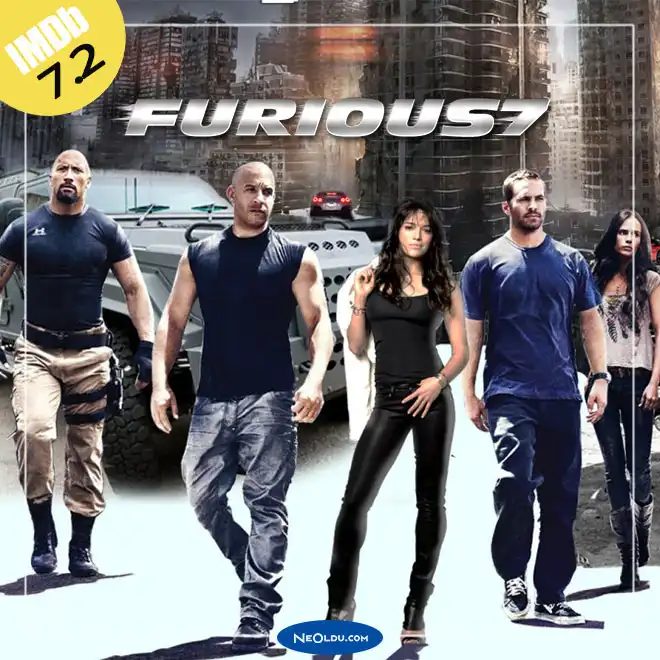
Furious 7 serinin en ağır duygu yükünü taşıyan filmi olarak hatırlanıyor. Ekip, İngiltere’den gelen Deckard Shaw’un intikamıyla yüzleşirken aynı zamanda Amerika hükümeti için geliştirilmiş “Tanrının Gözü” adlı gizli takip cihazını ele geçirmek zorunda kalıyor. Bu olaylar silsilesi, ölen Paul Walker’ın sinema tarihinin en unutulmaz veda performanslarından birini sergilediği sahnelere sahne oluyor. James Wan’ın yönetmen koltuğunda oturduğu yapım, aksiyon ve gerilim türlerinin sert birleşimini sunuyor. Vin Diesel, Paul Walker ve Jason Statham’ın başrolde olduğu bu 2015 yapımı film, IMDb’de tam 7.2 puan alıyor.
38. Vanishing Point (1971) – IMDb: 7.2
Hemen ardından gelen Vanishing Point, yani Ölüm Noktası ise zamanın çok daha gerisinde, 1971 yılına ait bir klasik. Aynı IMDb skoru olan bu film, modern aksiyon filmlerinden çok farklı, daha atmosferik ve psikolojik bir derinliğe sahip.
Why The Driver Still Rules the Night
If you thought the asphalt burning chase in Vanishing Point set the standard for isolated, high-speed cinema, look closer at what came a decade later. Walerian Borowczyk’s The Driver (1978) strips the genre down to its barest, most visceral bones. There’s no road trip narrative here. No existential plea to escape a corrupt system. Just a nameless professional whose only motivation is the job itself.
The plot is almost nonexistent, which is the point. A lone driver (Ryan O’Neal) takes one last big score before retiring. The heist goes south. He’s hunted by a relentless, equally skilled detective (Bruce Dern). The chase isn’t about reaching a destination. It’s about survival. About who blinks first.
Borowczyk, known for his erotic and surreal works, directs this thriller with a cold, mechanical precision. The camera stays low. It hugs the pavement. You feel the vibration of the engine through your chest. The sound design is loud. Aggressive. The screech of tires cuts through the silence like a knife.
It’s not just a car movie. It’s a mood piece. A study in tension. And yes, Ryan O’Neal gives one of his most physical performances. He doesn’t say much. He doesn’t need to. His eyes do the talking. Bruce Dern matches him step for step. Their dynamic is a silent dance of mutual respect and deadly intent.
The climax isn’t a dramatic explosion. It’s a brutal, close-quarters struggle. Raw. Unpolished. Real.
- Tür: Noir, Gerilim, Suç
- Yönetmen: Walerian Borowczyk (not to be confused with Nicolas Roeg’s 2011 remake, which shares the title but misses the gritty soul of this original)
- Oyuncular: Ryan O’Neal, Bruce Dern, Isabelle Huppert (in her English-language debut)
- Yıl: 1978
- IMDb: 7.2
Notice the shift. Vanishing Point was about freedom. The Driver is about mastery. One man trying to outrun his past. The other trying to escape his profession. Both end up trapped in the speed.
The film’s influence on modern action cinema is undeniable. You see its DNA in Drive (2011). But The Driver is older. Grittier. Less romanticized. It doesn’t give you a love story to soften the blow. Just the road. The car. The fear.
Is it perfect? Maybe not. The plot is thin. But thin is intentional. It leaves room for atmosphere. For style. For the simple, terrifying joy of watching two men play a lethal game of cat and mouse on wet city streets.
Watch it for the tension. Stay for the silence between the gunshots.
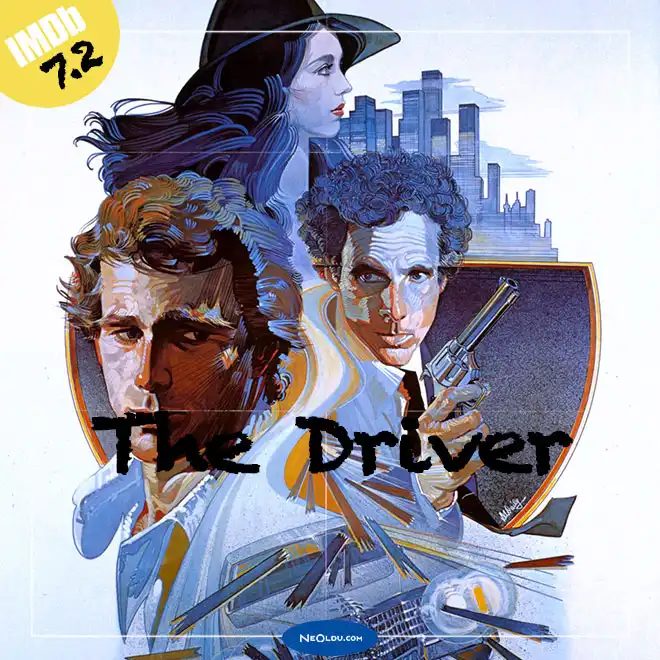
The Driver (1978): Walter Hill’s Minimalist Thriller
Walter Hill’s The Driver is a crime-thriller that strips away everything except the drive. Literally. You get a professional getaway artist who has never been caught. The cops can’t stand it. So they set a trap. It’s less about dialogue and more about the roar of engines. A minimalist classic.
The genres listed are Drama and Thriller. Ryan O’Neal stars. Bruce Dern is there too. Isabelle Adjani adds to the cast. The film dropped in 1978. It holds a 7.2 on IMDb.
40. Two-Lane Blacktop (1971) – IMDb: 7.2
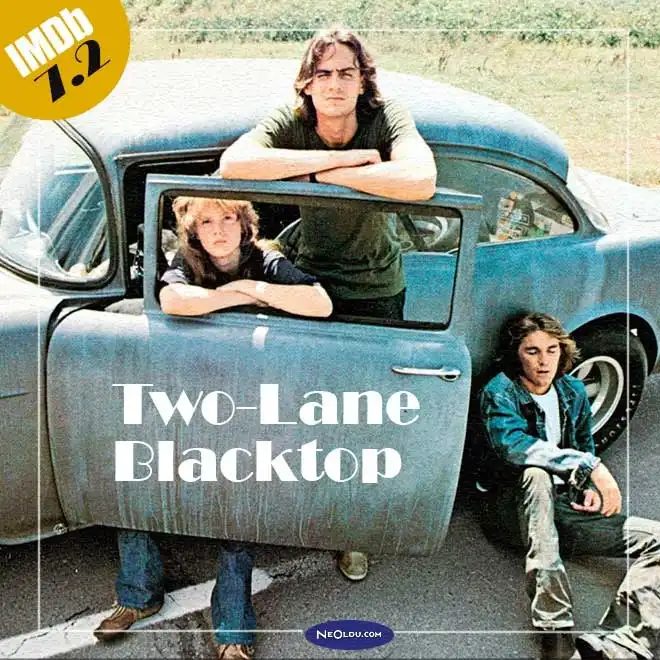
41. The Italian Job (İtalyan İşi) (1969) – IMDb: 7.3
Monte Hellman’ın Two-Lane Blacktop ’ındaki o tıkanmış, minimalist atmosferin tam tersi bir hareket var bu listede. The Italian Job (İtalyan İşi) 1969 yapımı bir hırsızlık filmi. İngiliz sinemasının o garip, pop-art döneminde çekildi. Michael Caine başrolde. Ama asıl yıldız üç Mini Cooper.
Minicilerin Kült Statüsü
Filmin ikonik sahnesini görmezden gelen yok. Londra sokaklarında minibin tepetaklak olduğu o an. O an, film tarihine geçti. Caine’ın karakteri Charlie Croker. Bir hırsız lideri. Taktiksel zekasıyla biliniyor. Filmin kurgusu o kadar temiz ki. Her şey bir plan dahilinde ilerliyor.
IMDb puanı 7.3. Bu, 1969’daki bir hırsızlık filmi için ciddi bir sayı. İzleyiciler o tempoyu seviyor. Müzik de işin içine girince olay büyüyor. Quincy Jones’un müzikleri. O jazz-funk havası.
Neden 1969’da Çekildi?
Film, Swinging London’un atmosferini yansıtıyor. Renkler canlı. Moda dikkat çekici. Caine’ın kostümleri bile birer sanat eseri gibi. Filmin yönetmeni Peter Collinson. O dönem için cesur bir tercih. İngiliz sinemasının dışa açılma sürecinin bir parçası.
Hırsızlık planı karmaşık. Ama basit anlatılıyor. İzleyiciyi sıkmadan, gerilimi koruyor. O minibin sahnesi neden bu kadar popüler? Çünkü pratik efektler kullanıldı. Dijital yok. Gerçek arabalar, gerçek risk.
Karakter Dinamikleri
Caine’ın dışı soğuk ama içi karmaşık. Takımının her üyesi farklı bir yeteneğe sahip. Bu dinamik, sonradan gelen çok sayıda hırsızlık filmine ilham verdi. Ocean’s Eleven gibi yapımlar bile bu formülü kullandı. Ama 1969’daki hali daha ham. Daha gerçekçi.
Kalıtı ve Etkisi
Bugün bile The Italian Job izleniyor. Netflix’ten sinemalara. Neden? Çünkü zamanının ötesinde. Hız, stil ve strateji bir arada. Mini Cooper’lar hala sembol. Londra’nın o dönemi hala cazip.
Filmin müzikleri bile birer kültür parçası. Quincy Jones’un işi unutulmaz. O tempo, o ritim. İzleyiciyi ekrana kilitleyen şey bu.
Gerçekçi Detaylar
Filmin çekimleri sırasında bir kaza yaşandı. Bir minibin devrildi. Ama bu kaza değil, kurgu bir kaza. Stuntmanlar profesyoneldi. Güvenlik önlemleri alındı. Ama o
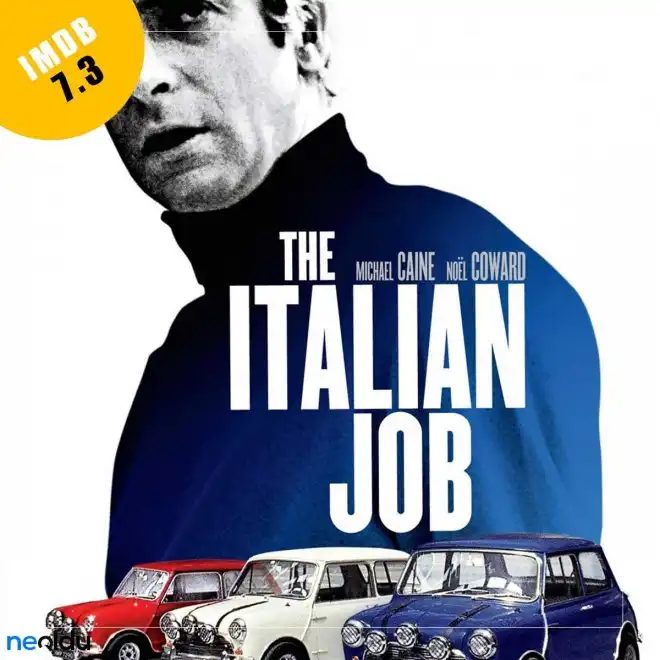
The 1969 Original: A British Classic
Before the glossy Hollywood remakes, there was the original. The Italian Job (1969) remains the definitive version of the Mini Cooper heist. Starring Michael Caine, this film set the standard for stylish criminal capers. Director Peter Collinson crafted a movie that blended British wit with high-octane action. The plot revolves around an elaborate plan to steal gold from Turin, Italy. The film’s international fame rests on its clever execution and memorable characters.
- Genre: Action, Thriller
- Director: Peter Collinson
- Cast: Michael Standing, Michael Caine, Noel Coward
- Year: 1969
- IMDb Rating: 7.3
The story follows Charlie Croker, played by Caine, who orchestrates a team of specialists. They aim to pull off a daring robbery in Italy. The film’s humor is sharp. It never takes itself too seriously. Yet the stakes feel real. The Mini Coopers become iconic symbols of rebellion. Their agility on the streets of London is legendary. The chase scenes are still studied for their precision. No CGI. Just practical stunts and great timing.
Why It Endures
The appeal of The Italian Job isn’t just the cars. It’s the team dynamic. Each member brings a unique skill. The script is tight. The dialogue snaps. You can watch it again and again. New details emerge with each viewing. The ending is satisfying but leaves room for imagination. It captures a specific moment in British cinema. A time when style mattered as much as substance.
The 1998 Remake: Ronin
Fast forward to 1998. Ronim emerges as a different beast. Also rated 7.3 on IMDb, this film offers a gritty, realistic take on the heist genre. Directed by John Frankenheimer, it stars Robert De Niro, Jean Reno, and Ray Liotta. The plot follows a group of mercenaries hired to steal a mysterious briefcase. The tension is palpable. Every scene feels dangerous.
Unlike the whimsical nature of the 1969 film, Ronin is dark and intense. The action is raw. The car chases are brutal. They showcase the skill of the stunt drivers. The film explores themes of loyalty and betrayal. The characters are morally ambiguous. You never quite know who to trust. This ambiguity adds layers to the narrative.
Comparing the Two
Both films share a rating of 7.3 on IMDb. But their tones are worlds apart. The Italian Job is fun and lighthearted. Ronin is serious and suspenseful. One celebrates British humor. The other delves into the shadows of the underworld. Yet both excel in their execution. They each offer a unique perspective on crime. The 1969 version is a comedy-adventure. The 1998 version is a psychological thriller.
Which one do you prefer? Do you want the joy of Mini Coopers or the tension of a mysterious briefcase? Both films have earned their place in history. They prove that heist stories can evolve. They can adapt to different eras
The Hunt for the Briefcase in Ronin
The chase begins in the streets of Paris. Not with a foot pursuit. But with metal screaming against asphalt.
Ronin drops you into the cold, gray aftermath of the Cold War. There is no clear good guy. There are no flags. Just a handful of professionals hunting for a single, mysterious briefcase. What is inside? Nobody knows. It doesn’t matter. Everyone wants it.
Robert De Niro plays Sam, a former intelligence operative who is pulled back into the game. He teams up with Jean Reno’s Latin, a French ex-commando. They aren’t friends. They are colleagues in a job that feels increasingly suicidal.
The film is directed by John Frankenheimer. He knows how to stage action. He doesn’t rely on shaky cams or rapid cuts. He lets the camera sit back. It lets you see the danger.
The car chase is the centerpiece. It isn’t just fast. It is tactical. The drivers are using the city as a weapon. They jump over gaps. They drift through traffic. It feels grounded. Real. You can feel the vibration of the engine through the screen.
“In Ronin, the tension comes from not knowing who is lying.”
The supporting cast adds to the paranoia. Nader Boussandel plays a mysterious Frenchman who seems to know more than he lets on. Every character has an angle. Every conversation is a negotiation.
It is an action thriller. But it is also a character study in mistrust. De Niro and Reno have chemistry. It is quiet. Professional. But the bomb is ticking.
Rated 7.3 on IMDb. It holds up. Not because of the explosions. But because of the suspense.
43. Fast Five: Rio Heist
IMDb: 7.3
The tone shifts. Suddenly.
We are no longer in the gritty realism of Paris. We are in Rio. The sun is blazing. The music is loud. The stakes are higher.
Fast Five marks a pivot for the franchise. It stops being about street racing. It becomes about heists. About team dynamics. About loyalty.
Dom Toretto and his crew aren’t just fighting the law. They are fighting for a fortune. A massive amount of cash. They need to get it past the Brazilian authorities. And past a corrupt agent who is hunting them down.
The action is bigger here. More stylized. But the heart is still there. The characters matter. You care if they survive. You care if they get the money.
It is a different kind of adrenaline. Less gritty. More spectacle. But it works.
The transition from underground racing to high-stakes crime pays off. The audience loves it. The sequel momentum kicks in hard.
Two films. Same score. Different worlds. One is about the hunt. The other is about the escape.
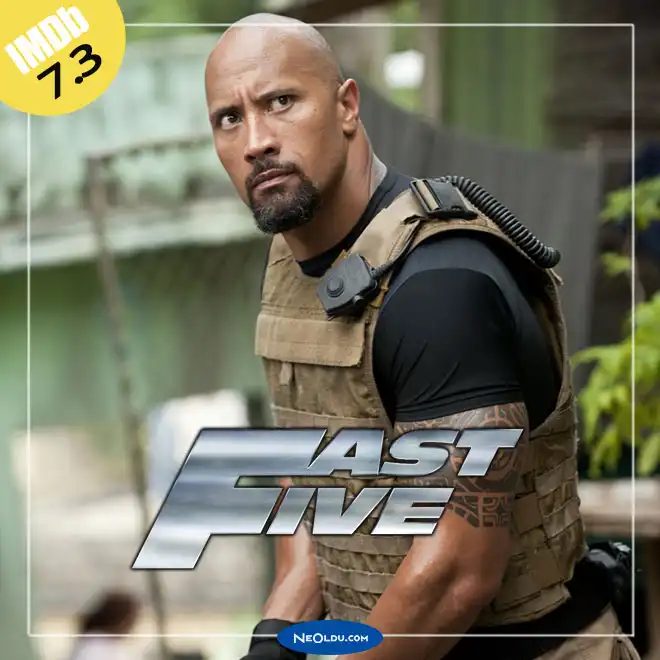
Rio de Janeiro isn’t just a backdrop here. It’s the battlefield.
Fast Five marks the pivot point for the entire franchise. Before this, it was about street racing and family drama. After this? It’s about heists. Big ones. Vin Diesel and Paul Walker put aside their petty squabbles to team up. The goal is simple. Steal millions from a Brazilian crime lord. The problem is the guy chasing them.
Enter Luke Hobbs. Played by Dwayne Johnson with enough charisma to melt steel, Hobbs represents the law. He’s not just a bad guy’s enemy; he’s the embodiment of the system coming down hard. The dynamic shifts from car chases through city streets to high-stakes, muscle-car-powered bank robberies. It’s louder. It’s faster. It’s undeniably the best of the series for many fans.
The chemistry between the leads is undeniable. Johnson brings a physical presence that anchors the film’s more outlandish set pieces. Diesel and Walker have the banter down. Justin Lin directs with a clear eye for spectacle. The action sequences are meticulously choreographed. You feel the weight of the cars. You hear the engines scream.
Key Details
- Genre: Action, Thriller
- Director: Justin Lin
- Starring: Vin Diesel, Paul Walker, Dwayne Johnson
- Release Year: 2011
- IMDb Rating: 7.3
It works because it respects the audience’s intelligence about scale. They aren’t just running. They’re planning. They’re executing. And when Hobbs catches up, the stakes are personal. This film proved that The Fast Saga could evolve. It didn’t need to stay small. It could go big.
44. American Graffiti (1973) – IMDb: 7.4
George Lucas’ın yönettiği bu yapıt, üniversite öncesi son gecelerin kaçınılmaz bir bitişini anlatıyor. Gençler, belirsiz bir geleceğin gölgesinde kalmış durumda. Özgürlük hissiyle gelecek kaygısı arasında sıkışıp kalıyorlar. Klasik otomobiller yolun kenarında bekliyor. Rock’n roll müzik kulakları tırmıklıyor. Altmışlar kültürü her köşede hissediliyor. Bu atmosfer, dönemin ruhunu yakalamakta başarılı.
Harrison Ford gibi isimler, henüz tanınmıyor. Onları genç halleriyle izlemek ayrı bir keyif. Richard Dreyfuss ve Ron Howard başrolde. Paul Le Mat da kadroda yer alıyor. Film, drama ile komediyi harmanlıyor. 1973 yılında sinemalardaki yerini aldı. IMDb puanı 7.4 ile izleyiciden olumlu tepki alıyor.
45. Bullitt (Gangster’in Kaderi) (1968) – IMDb: 7.4
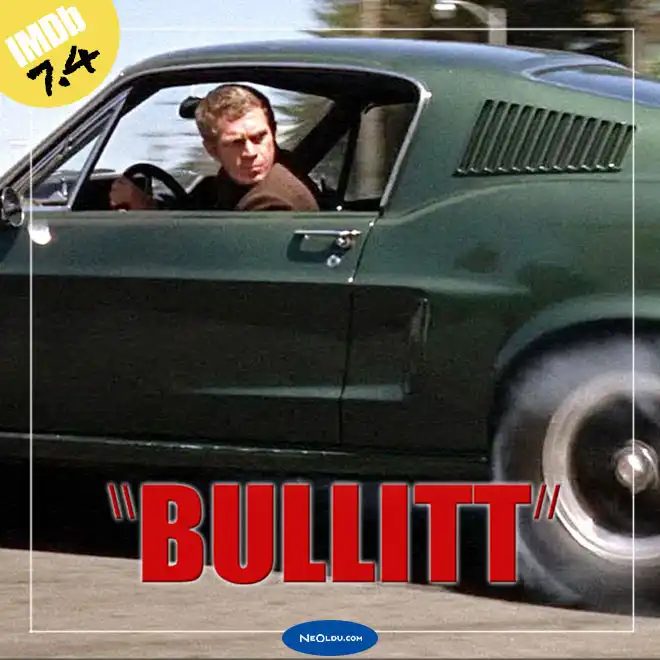
The Classic That Defined the Chase
Before Mad Max or Fast & Furious, there was Bullitt. Directed by Peter Yates, this 1968 thriller anchors itself around Steve McQueen as Lieutenant Frank Bullitt. The premise is straightforward enough for a procedural. Bullitt gets assigned witness protection. It goes south immediately. A murder happens. Identities are murky. The stakes are personal.
The film didn’t just have car chases. It invented the grammar of modern action cinema. The street race through San Francisco remains the gold standard. It’s visceral. Raw. You can feel the tires screeching even decades later.
- Genre: Action, Thriller
- Director: Peter Yates
- Cast: Steve McQueen, Jacqueline Bisset, Don Gordon
- Year: 1968
- IMDb: 7.4
46. Grindhouse (Planet Terror) (2007) – IMDb: 7.5
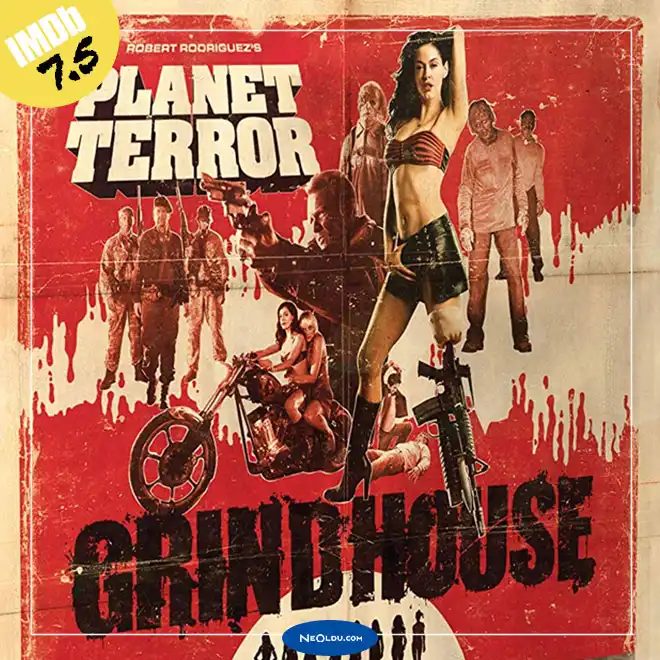
Let’s be real for a second. Grindhouse isn’t just a movie. It’s a mood. A sweaty, flickering, neon-soaked mood. Quentin Tarantino and Robert Rodriguez cooked up this double-feature project in 2007 specifically to bring back the dirty, unpolished thrill of old-school grindhouse theaters. You didn’t just watch these films. You survived them.
Take Death Proof, Tarantino’s slice of that pie. It stars Kurt Russell as Stuntman Mike. He’s a former stuntman turned serial killer who hunts down groups of young women in a powerful muscle car. The tension builds slowly, then explodes. The car chases? They’re legendary. Zoë Bell steps up as the stunt coordinator and star, proving that double-feature heroines can kick ass harder than anyone in Hollywood. It’s drama. It’s thriller. It’s pure adrenaline.
But before Tarantino and Rodriguez were packing theaters with this much style, there was Duel.
Why Steven Spielberg’s Early TV Movie Still Terrifies
Before he was the master of adventure, Steven Spielberg was testing his chops on a TV movie that proved horror didn’t need monsters. Just a man and a truck.
Released in 1971, Duel (IMDb: 7.6) is a masterclass in suspense. It’s not a feature film in the traditional sense at first. It aired as a made-for-TV movie in the US, but it’s so tightly wound that it holds up on the big screen today. The premise is deceptively simple. A mild-mannered salesman named David Mann (played by Dennis Weaver) is driving home from a business trip in the desert. He gets cut off by an old, dirty truck driver.
Mann pulls over to let the truck pass. The driver follows him anyway.
Then the overtaking happens.
Mann thinks he’s lost the truck. He pulls into a gas station. The truck arrives seconds later. The driver doesn’t get out. He just stares. The engine roars. The chase begins.
How Duel Defines the Thriller Genre
There’s no dialogue. No backstory. No explanation for why the truck driver wants to kill Mann. Does he have a grudge from the past? Is he crazy? Does he just hate slow drivers? It doesn’t matter. The ambiguity is the point.
This is where Duel separates itself from typical slashers. There are no jump scares. No gore. Just the relentless, mechanical rage of a vehicle trying to crush a smaller sedan. Spielberg uses the camera to make you feel the heat of the desert, the dust in the lungs, and the claustrophobia of the car interior.
The film was such a hit that Universal released it theatrically in international markets. It proved that a single location—a highway—could be enough to drive an audience to the edge of their seats. It’s a study in escalation. Every time Mann thinks he’s safe, the truck appears. A bridge collapse. A pile-up. A narrow escape. The tension never drops.
Where to Watch and Why It Matters Now
You might ask, why watch a 1971 TV movie in 2024? Because the anxiety is timeless. We all know that feeling of being followed
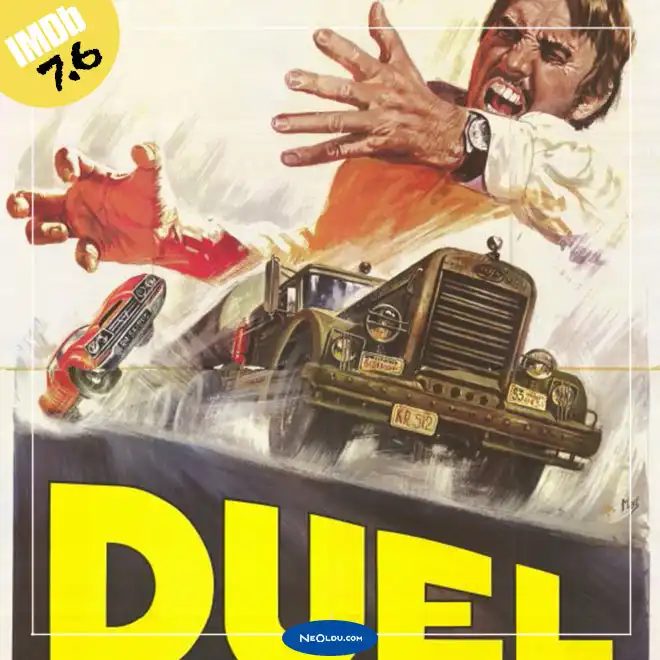
Why Drive Is Ryan Gosling’s Underrated Masterpiece
It’s not just a car movie. It’s a mood. Ryan Gosling steps into the cockpit of a black Pontiac GTO and vanishes into the role of a Hollywood stunt driver with a daytime job. Most guys in this line of work talk trash. Gosling doesn’t. He barely speaks at all.
David Michôd didn’t just direct Drive ; he curated a vibe. The neon-soaked streets of Los Angeles look less like a city and more like a fever dream. Nicolas Winding Refn’s aesthetic influence is heavy here. Think Drive as a love letter to 80s synth-wave and 70s gritty cinema. The result? A cult classic that refuses to let you look away.
- Genre: Neo-noir thriller, Drama
- Director: Nicolas Winding Refn
- Cast: Ryan Gosling, Carey Mulligan, Bryan Cranston, Christina Hendricks
- Year: 2011
- IMDb: 7.8
The plot is simple. Too simple for some. Gosling’s unnamed driver gets pulled into a botched jewelry store robbery. Suddenly he’s holding cash he doesn’t want and people who want him dead. It’s a cautionary tale about playing with fire when you’re used to striking matches.
Carey Mulligan shines as Irene, a mother trying to break free from a dead-end relationship. Their connection is quiet. Fragile. Real. Bryan Cranston steals every scene he’s in as Standard, a villain so charming you almost forget he’s the bad guy until the violence hits.
The action sequences are brutal and sudden. No flashy choreography. Just raw, shocking impact. The hospital scene still gives people chills. It’s not about the cars speeding. It’s about the stillness between the screams.
“Sometimes you have to run to stand still.”
Critics called it stylish. Fans called it cool. But Drive is more than aesthetics. It’s about isolation. About how hard it is to connect when you’ve built walls around your heart. Gosling’s performance is a masterclass in restraint. A few words. A lot of silence. And the rumble of an engine.
If you’re looking for a movie that stays with you long after the credits roll, this is it. It’s dark. It’s beautiful. It’s dangerous. Just don’t expect a happy ending. You won’t get one.
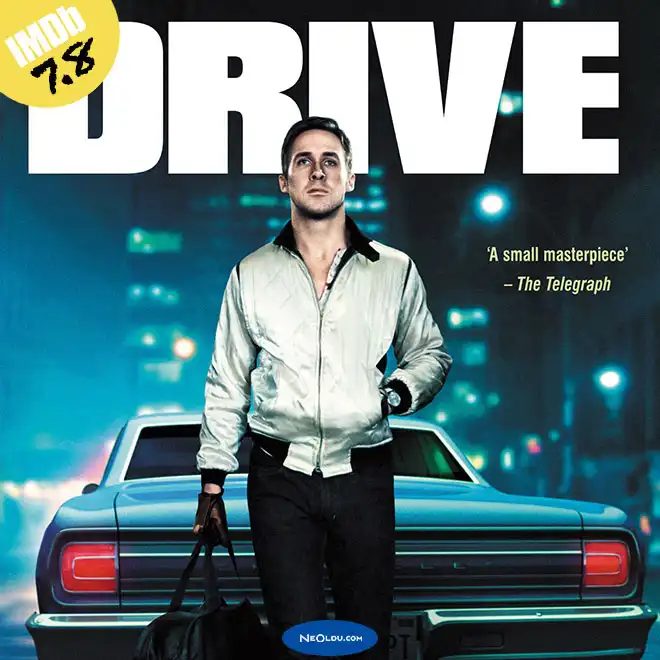
Ryan Gosling’li Drive ’da isimli sürücü gündüzleri dublör, geceleri soygun kaçış şoförü. Komşusuna yardım etmek için suç dünyasına girmesi işleri bozuyor. Nicolas Winding Refn’ın stilize yönetimi sessiz gerilimi ve ani şiddeti unutulmaz kılıyor.
Aksiyon, gerilim türünde olan film, Carey Mulligan ve Bryan Cranston’la birlikte 2011’de vizyona girdi. IMDb puanı 7.8.
Mad Max: Fury Road Gerisi Nedir?
Mad Max: Fury Road (2015) liste dördüncü sırasında. IMDb puanı 8.1.
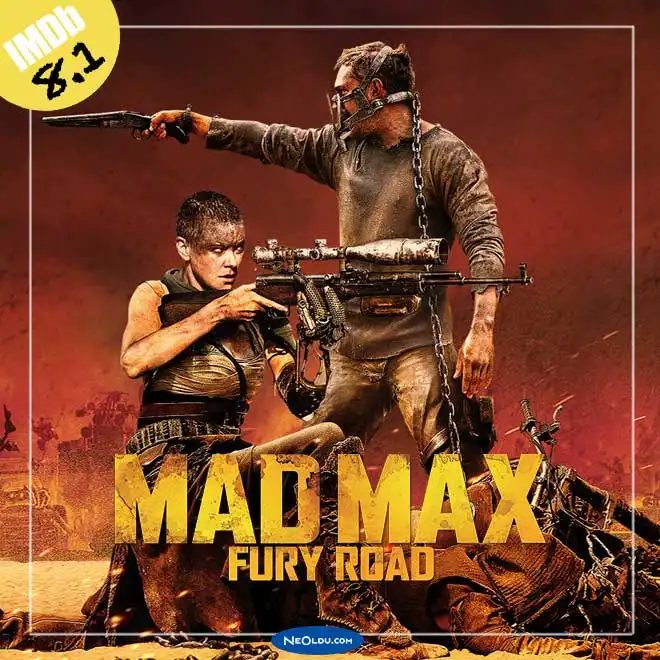
Rush: Niki Lauda ve James Hunt’ın Gerçek Savaşı
Tom Hardy’nin post-apokaliptik çöllerde attığı her adım, Mad Max: Fury Road ’un viseral yoğunluğunu taşır. Ama 2015’te vizyona giren bu başyapıt, çorak topraklarda değil, 1970’lerin Avrupa otobanlarında geçer. Yönetmen George Miller, Mad Max serisinin dördüncü filmiyle türün modern klasiklerinden biri olarak yerini alırken, 2013 yapımı Rush (Türkçe adıyla Zafere Hücum) da benzer bir etki yaratarak spor filmi türünü yeniden tanımladı.
IMDb puanı her iki filmde de 8.1. Bu da rastgele bir sonuç değil. Rush, Formula 1 tarihinin en büyük rakiplerini anlatıyor. Niki Lauda ve James Hunt.
Gerçek Hayatın Tuhaf Çelişkisi
Film, 1976 sezonunu konu alıyor. Alman pilot Niki Lauda (Daniel Brühl) disiplinli, soğukkanlı ve makine gibi işleyen bir mühendis. İngiliz James Hunt (Chris Hemsworth) ise lüks, hızlı ve düzensiz. İkisi de aynı hedefe koşuyor ama farklı yaklaşımlarla.
Aksiyon türünün modern klasiklerinden biri olan Mad Max, araba savaşlarıyla dolu. Rush ise daha farklı bir türde. Daha az makyaj, daha az kurgu. Sadece hız, tehlike ve insan psikolojisi.
- Tür: Biyografi, Drama, Spor
- Yönetmen: Ron Howard
- Oyuncular: Chris Hemsworth, Daniel Brühl, Olivia Wilde
- Yıl: 2013
- IMDb: 8.1
Neden Bu Kadar İyi?
Ron Howard’ın yönetmenliği, izleyiciyi sürükleyici bir içgörülerle dolu deneyime dönüştürüyor. Chris Hemsworth’un Hunt’ı, sadece bir yarışçı değil, aynı zamanda bir ikon. Daniel Brühl’ün Lauda’sı ise zeka ve kararlılıkla dolu.
Film, sadece yarışları değil, o yarışların ardındaki insanları da gösteriyor. Lauda’nın 1976’daki Nürburgring’teki kaza sonrası dönüşü, sinema tarihinin en güçlü sahnelerinden biri olarak kabul ediliyor. Burnları, ciğerleri, omuzları… Her şey gerçek.
Hangi Kısımlar Daha Çok Çarpıyor?
Mad Max ’ta Max’ın çorak arazilerde özgürlük mücadelesi vermesi, Rush ’ta ise Lauda ve Hunt’ın kendilerine ve birbirlerine olan güveniyle ilgili bir mücadele var.
“Hız, sadece bir duygu değil, bir tercih.”
Bu film, sadece Formula 1 meraklıları için değil. Her türden spor filmi seven, gerilim ve drama arayan herkes için bir başyap
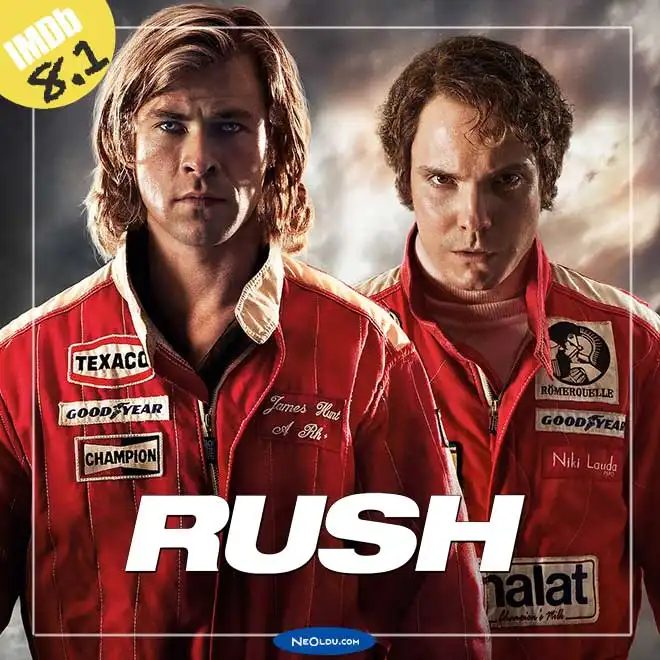
Why Senna Remains the Ultimate Racing Documentary
While Rush dramatized the 1976 season, it only scratched the surface of the tragedy that followed. The real story didn’t end with Lauda’s recovery or Hunt’s championship. It ended on the track in 1994.
- Tür: Belgesel, Spor
- Yönetmen: Asif Kapadia
- Oyuncular: Ayrton Senna, Gilles Villeneuve, Alain Prost (kayıt videoları)
- Yıl: 2010
- IMDb: 8.6
Ron Howard’s film gave us the rivalry. It gave us the danger. But it didn’t give us the soul.
Senna does.
Asif Kapadia’s documentary isn’t just a biography. It’s a horror story dressed in racing colors. You think you know Formula 1. You think you know speed. This film strips that away.
The editing is brutal. It jumps across decades without warning. One minute you’re watching a young Senna in karts. The next, you’re in a funeral procession in Brazil.
Kapadia uses archival footage with surgical precision. There’s no narrator. No voiceover to tell you how to feel. The footage speaks. The interviews speak.
Senna’s own words are chilling. He talks about the risk. He talks about the thin line between glory and death. He knows it’s there. He walks it anyway.
“It’s very dangerous for everybody. And I love danger.”
That quote hangs over the entire runtime.
Chris Hemsworth played the winner. Daniel Brühl played the obsessed rival. But Ayrton Senna was something else entirely. He wasn’t acting. He was living. And he was dying.
The film captures his dominance. The 1988 season alone. Seven wins in a row. It captures his intellect too. He wasn’t just fast. He was a scientist of the car. He understood aerodynamics better than the engineers.
But it’s the end that stays with you.
The 1994 San Marino Grand Prix. Imola. Sunday.
Kapadia rebuilds the weekend frame by frame. The tension is palpable. You can feel the weight of expectation. The world is watching. Senna is pushing. He always pushed.
The crash happens in silence. Or rather, the sound design makes it feel like silence.
The aftermath is handled with respect. No sensationalism. Just the raw, ugly truth.
Why does this film matter now?
Because we’ve forgotten how dangerous racing used to be. We’ve forgotten the cost. Rush shows the drama. Senna shows the price.
It’s not just about one man. It’s about an era. An era of open-wheel cars that looked like spaceships. Of drivers who sat in cockpits with no carbon fiber safety cells. Of helmets that were basically fiberglass bowls.
Senna was the best of that era. And he broke the system.
His death changed everything. Safety standards skyrocketed. Drivers got lighter. Cars got slower. The danger decreased. The spectacle remained.
But the soul? The soul is hard to quantify.
Kapadia captures it. The way Senna looked at the
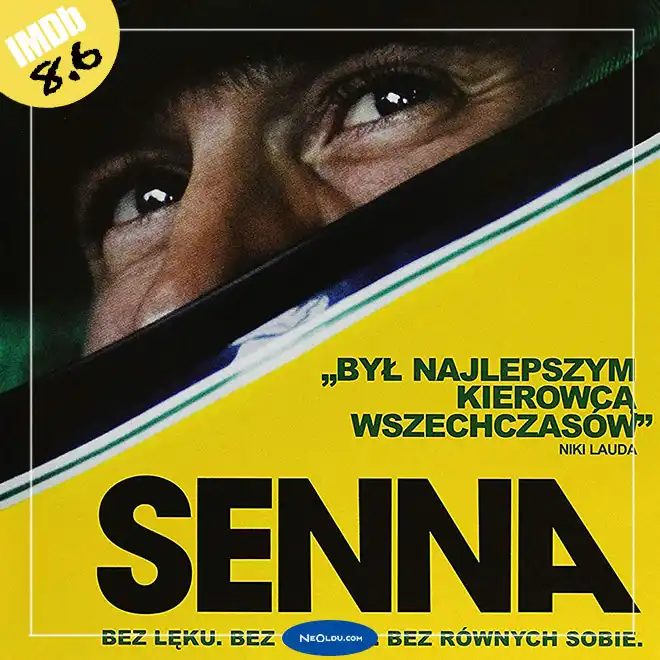
Why Ayrton Senna’s Story Still Haunts F1 Fans
It’s not just a movie. It’s a mirror held up to greatness and its cost. Senna isn’t a biopic in the traditional sense. There are no actors playing him. No re-enactments. Just raw, unfiltered footage. Asif Kapadia directed this 2010 documentary to do one thing: show you who Ayrton Senna actually was.
Most people know the three championships. They know the crashes. They know the tragedy of Imola. But Kapadia digs deeper. He strips away the mythology. He leaves you with the man.
The film focuses on his rise. It tracks the struggle. You see a kid from São Paulo with more speed than sense. Then you see the refinement. The focus. The obsession. It’s a drama in real-time.
The Director’s Vision Without Interjections
Kapadia is known for Amy. He’s known for Diego Maradona. This style is his signature. No talking heads. No experts explaining the context. Just the footage. Just the audio. The story emerges from the archive.
It feels intimate. Violent, even. You’re in the cockpit with him. You feel the G-force. You hear the engine screaming. It’s visceral.
The cast is essentially the history of Formula 1. Ayrton himself provides the voice. Milton da Silva and Jackie Stewart offer perspective without interrupting the flow. Their comments are brief. They hit hard.
Why This Documentary Beats Live Action
A live-action biopic would have sanitized him. They would have added romance. They would have added a tidy ending. This doesn’t.
The IMDb rating of 8.6 isn’t an accident. It’s a testament to the authenticity. Viewers connect with the lack of filter. You see the arrogance. You see the insecurity. You see the sheer will.
Which documentary captures the soul of a driver better? Most try. Few succeed. This one succeeds because it trusts the audience. It doesn’t explain why he drove so fast. It shows you.
The Legacy of Speed
Senna died in 1994. The film came out sixteen years later. By then, the anger had cooled. The mourning had become history. Kapadia didn’t try to sell you a hero. He sold you a human being.
The result is haunting. It’s beautiful. It’s brutal.
You finish the film and you don’t feel like you’ve learned about racing. You feel like you’ve lost a friend. And then you remember he’s been gone for decades.
That’s the power of the archive. That’s the power of Kapadia.
The footage doesn’t age. The speed doesn’t fade. And the questions he leaves you with? They don’t have answers.